
Understanding the specific light requirements of purple toadflax is essential for any professional gardener who wishes to create a vibrant and structurally sound floral display. This perennial species is naturally adapted to open, sunny environments where it can maximize its energy production through photosynthesis. While it is known for its versatility, the intensity and duration of sunlight it receives directly impact the color of its flowers and the strength of its stems. Expert light management involves placing the plant in a location where it can thrive without being overshadowed by more aggressive garden neighbors.
The ideal position for these vertical beauties is a spot that receives full sun for the majority of the day, typically defined as at least six to eight hours of direct light. Under these optimal conditions, the plants will produce the densest spikes of purple flowers and maintain a sturdy, upright habit. If the light levels are too low, the plant may begin to “stretch” toward the sun, resulting in weak and floppy stems that require artificial support. Professional site selection always prioritizes the quality of light as a foundational factor for plant health and aesthetic success.
In addition to the total amount of light, the timing of the exposure can also influence the plant’s performance throughout the growing season. Morning sun is particularly beneficial as it helps to dry any dew from the foliage, reducing the risk of fungal diseases like powdery mildew. Intense afternoon sun can be more stressful, especially in hotter climates, but purple toadflax is generally well-equipped to handle it if the soil moisture is adequate. An expert gardener will observe how the shadows move across the landscape at different times of the year to find the perfect placement.
Light also plays a critical role in triggering the various stages of the plant’s lifecycle, from the initial spring emergence to the final flowering phase. The increasing day length in spring acts as a biological signal that it is time for the plant to begin its rapid vertical expansion. This photoperiodic response is a fascinating aspect of plant biology that professional horticulturalists use to their advantage when planning their garden displays. Understanding the relationship between light and the plant’s internal clock is part of the mastery of professional gardening.
Optimizing sunlight for peak floral display
The intensity of the purple color in the flowers is often directly correlated with the amount of UV light the plant receives during its development. In high-light environments, the pigments are more concentrated, resulting in the deep and vibrant hues that are so prized in gardening magazines. Plants grown in even partial shade may produce flowers that appear paler or more washed out by comparison. A professional knows that if the goal is a high-impact color display, there is no substitute for a truly sunny location.
More articles on this topic
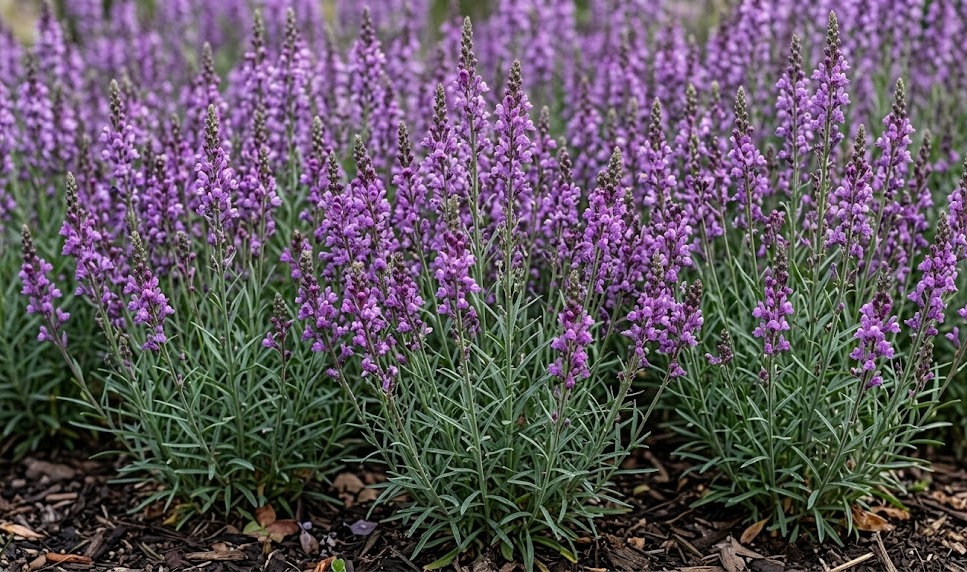
The density of the flowering spikes is also influenced by light levels, with full sun promoting the most prolific and tightly packed blooms. Each individual flower on the spike needs energy to develop, and this energy comes almost entirely from the sun hitting the green leaves. In lower light, the plant may produce fewer spikes, or the flowers may be more widely spaced along the stem. For a professional-looking “wall” of purple, the plants must be given every opportunity to capture as much solar energy as possible.
Reflected light from nearby surfaces can also be used as a professional tool to boost the performance of plants in slightly less-than-ideal spots. A white wall or a light-colored gravel mulch can bounce additional sunlight back onto the foliage, effectively increasing the total light budget. This technique is particularly useful in smaller urban gardens where tall buildings or fences might limit the direct exposure. Finding creative ways to maximize light is a hallmark of an expert designer and a skilled horticulturalist.
Spacing between individual plants is another professional consideration that directly affects how much light reaches the lower leaves. If the plants are crowded too closely together, they will shade each other, leading to the loss of foliage near the base and a “leggy” appearance. Providing enough room for the light to penetrate the entire canopy ensures that the plant remains healthy from top to bottom. This balance between density and light access is a key part of successful and expert garden layout and maintenance.
Tolerance for partial shade and seasonal variations
While full sun is the gold standard for purple toadflax, it does possess a remarkable degree of tolerance for less-than-perfect light conditions. In regions with exceptionally hot summers, a bit of light shade during the middle of the day can actually prevent the plants from becoming heat-stressed. However, this should ideally be “dappled” shade rather than the deep, heavy shadow found under a large evergreen tree. Understanding the nuance between different types of shade is a mark of a professional with deep horticultural experience.
More articles on this topic
The orientation of the garden bed—whether it faces north, south, east, or west—will determine the light profile for the plants throughout the day. A south-facing border is typically the brightest and warmest, making it the premier location for sun-loving species like the toadflax. An east-facing spot will get the gentle morning sun, while a west-facing area will be hit by the more intense afternoon heat. Professional planning involves matching the plant’s light needs with the specific orientation of the available planting sites.
As the seasons change, the angle of the sun and the length of the shadows will shift, potentially changing the light levels in a particular spot. A location that is in full sun in mid-summer might be in partial shade in the early spring or late autumn when the sun is lower in the sky. Expert gardeners take these seasonal shifts into account when designing their borders and assessing the health of their perennials. Constant observation of the light dynamics in the garden is essential for maintaining a high standard of professional care.
Even in slightly shady positions, the vertical form of the purple toadflax can still be used to great effect, provided the gardener accepts a slightly more relaxed growth habit. The plants may not be as tall or as densely flowered, but they can still provide a valuable textural element in a mixed border. A professional approach involves knowing when to push for the absolute ideal and when to work within the limitations of a specific site. Flexibility and adaptation are key traits of an expert gardener who can make any space look beautiful.
Managing light and plant structure
The structural integrity of the plant is perhaps the most visible indicator of whether its light requirements are being met. In professional trials, plants grown in full sun consistently show shorter internodes—the space between the leaves—and thicker, more resilient stems. This compact growth is naturally more resistant to being flattened by rain or blown over by the wind. A sturdy, self-supporting plant is always preferred over one that requires constant staking and tying.
If a plant is clearly struggling due to low light, a professional will not hesitate to move it to a more suitable location. Transplanting is best done in the early spring or autumn to minimize stress, but the long-term benefits of a better light environment are worth the effort. Watching a previously weak plant thrive and color up in a new, sunnier spot is a rewarding experience for any horticultural expert. Correcting light issues is often the most effective way to improve the overall quality of a garden display.
Pruning neighboring shrubs or trees is another professional way to manage the light levels reaching the perennials below. By thinning out the canopy or raising the lower branches of a nearby tree, a gardener can “open up” a space and bring more sun to the flower beds. This proactive management of the entire garden ecosystem ensures that every layer of the planting has the resources it needs to succeed. Expert gardening is about seeing the big picture and understanding how the different elements interact with each other.
Ultimately, light is the most important “food” for any plant, and mastering its management is a core part of professional horticulture. By respecting the natural preferences of purple toadflax and providing it with the sun it craves, any gardener can achieve spectacular results. The play of light on the purple spikes in the early morning or late evening is one of the most beautiful sights in the garden. This connection to the daily and seasonal cycles of the sun is what makes professional gardening such a deeply satisfying and expert craft.