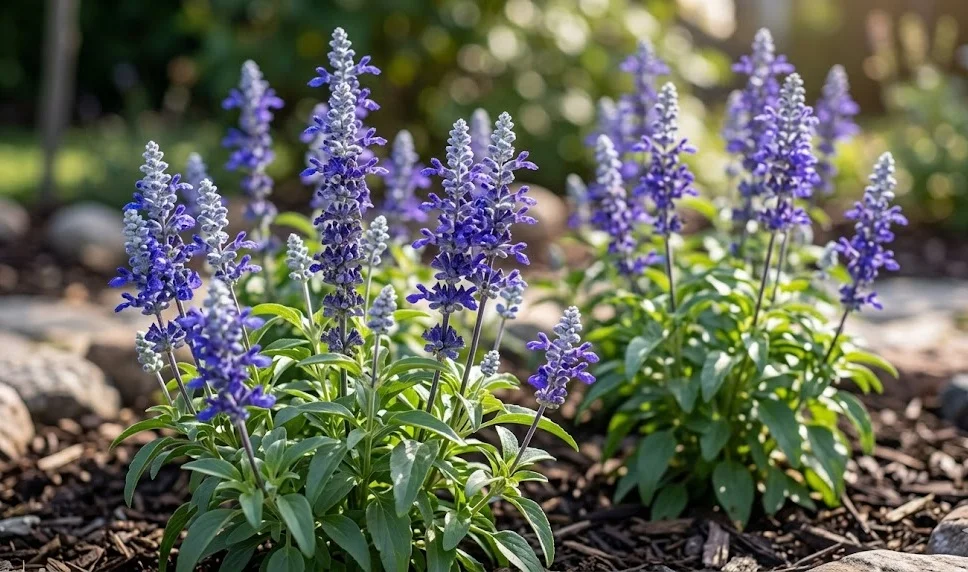

Light is the primary fuel for the spectacular flowering display and robust growth that defines the mealycup sage in any garden setting. As a species that originates from the sun-drenched regions of North America, it has evolved to thrive under intense and prolonged exposure to sunlight. Professional landscape designers and agricultural experts emphasize that understanding the nuances of light is critical for success. This guide explores the relationship between solar energy and plant health, providing a framework for optimizing the placement of your sage.
Sunlight basics and optimal exposure
To achieve the best possible results, you should aim to provide your mealycup sage with at least six to eight hours of direct sunlight every day. This high level of light exposure is necessary to support the energy-intensive process of producing multiple flower spikes throughout the season. Without enough sun, the plant will become leggy and weak as it stretches toward whatever light source it can find. This structural decline not only looks unattractive but also makes the plant more vulnerable to damage from wind and heavy rain.
The intensity of the light is just as important as the duration when it comes to the health of these sun-loving perennials. Morning sun is particularly beneficial as it helps dry the dew from the foliage, which reduces the risk of fungal diseases like powdery mildew. However, the plant also needs the stronger rays of the afternoon to fully power its photosynthetic processes during the peak of the growing season. A location that is open to the south or west usually provides the ideal balance of light throughout the entire day.
You can observe the health of your sage to determine if it is receiving the correct amount of light in its current location. Healthy, sun-rich plants will have compact growth and deep green leaves that are held firmly on stiff, upright stems. If you notice the stems are drooping or the leaves are pale and far apart, it is a clear sign that the light levels are insufficient. Adjusting the placement of your plants based on these visual cues is a fundamental skill for any professional gardener or agriculturalist.
In regions with extremely high temperatures, the plants may appreciate a bit of light filtered shade during the absolute hottest part of the mid-afternoon. While they love the sun, the combination of intense UV rays and extreme heat can sometimes lead to temporary wilting or leaf stress. However, this “shade” should still be very bright and not the deep darkness found under a thick forest canopy or a solid roof. Balancing the need for light with the reality of local heat is a key part of successful gardening in southern climates.
More articles on this topic
Partial shade tolerance and limitations
While mealycup sage is known for its love of the sun, it can tolerate partial shade in certain environments with some trade-offs in performance. You may find that plants in less-than-ideal light will still grow and produce some flowers, although the display will be much less dramatic. The blue color of the spikes might appear softer or less vibrant when the plant is not receiving the full power of the sun. Understanding these limitations allows you to set realistic expectations for plants placed in more challenging parts of your landscape.
In partially shaded areas, you must be even more diligent about providing excellent soil drainage and air circulation to compensate for the lower light. Because the sun is not there to dry out the soil and leaves quickly, the risk of rot and mildew increases significantly in the shade. You should space the plants further apart than you would in a full-sun bed to allow whatever breeze is available to move through the foliage. These cultural adjustments are essential for keeping shade-grown plants healthy and preventing common diseases from taking hold.
The growth habit of mealycup sage will naturally change when it is placed in a location with limited light exposure throughout the day. You will notice that the plants tend to grow taller and more open as they search for the sun, which can make them look a bit untidy. To manage this, you might need to perform more frequent pinching or light pruning to encourage a more compact and bushy shape. This active management helps maintain the professional appearance of the garden even when the environmental conditions are not perfect.
If you find that your sage is simply not thriving or flowering in a shaded spot, you should consider moving it to a brighter location. Gardening is a continuous experiment, and sometimes the best solution is to recognize when a plant is not suited for a particular microclimate. Transplanting can be done in the early spring or fall when the weather is cooler and the plant is less stressed by active growth. Finding the perfect “sun spot” for your sage is one of the most rewarding aspects of creating a successful and vibrant garden.
More articles on this topic
Solar intensity and pigment development
The striking blue and purple colors of the mealycup sage are directly influenced by the intensity and quality of the light it receives. These pigments act as a form of natural sunblock for the plant, protecting the delicate reproductive tissues within the flowers from UV damage. When the light is strong, the plant produces more of these colorful compounds, resulting in the deep, saturated hues that gardeners find so attractive. This relationship between light and color is why sun-grown plants always look more vibrant than those grown in the shade.
In higher altitudes or regions with very clear skies, the solar intensity can be even greater, leading to exceptionally brilliant floral displays. You might notice that the same variety of sage looks slightly different depending on the geographical location and local atmospheric conditions. This variability is a fascinating part of horticultural science and demonstrates how adaptable the species is to different light environments. Professional growers often select specific sites for their brilliance to showcase the best possible version of the plant.
The duration of daylight, or photoperiod, also plays a role in signaling the plant to begin and continue its flowering cycle throughout the year. As the days lengthen in the spring, the increased light triggers the development of the first flower spikes of the season. During the long days of summer, the plant remains in a reproductive state, constantly sending up new blooms to attract pollinators. As autumn approaches and the days shorten, the plant naturally begins to slow down its flower production in preparation for the coming dormancy.
You can enhance the light available to your plants by using reflective surfaces or by carefully pruning surrounding vegetation that might be casting unwanted shadows. White fences or light-colored walls can bounce extra sunlight back onto the plants, effectively increasing the total amount of energy they receive. Removing low-hanging branches from nearby trees is another professional technique for “opening up” a garden bed and improving the light environment. These small adjustments can make a significant difference in the overall health and beauty of your mealycup sage.
Seasonal light shifts and management
The angle and intensity of the sun change significantly throughout the year, which affects how much light actually reaches your garden beds. In the spring and fall, the sun is lower in the sky, meaning that shadows from buildings or trees will be much longer than they are in midsummer. You should take these seasonal shifts into account when planning the layout of your garden to ensure the sage isn’t shaded out during the shoulder seasons. A spot that is in full sun in June might be in deep shade by late September, affecting the end-of-season performance.
Winter light is often limited, especially in northern latitudes where the days are short and the sun remains very low on the horizon. If you are overwintering your sage indoors, providing supplemental light is almost always necessary to keep the plants from becoming weak and unhealthy. High-quality LED grow lights can mimic the spectrum of the sun and provide the energy needed to sustain the plant through the dark months. This professional intervention ensures that your plants are strong and ready to go back into the garden as soon as spring arrives.
Cloud cover and local weather patterns also influence the total amount of light your plants receive over the course of a growing season. In areas with frequently overcast skies, the plants may grow a bit more slowly and produce fewer flowers than they would in a desert-like climate. However, mealycup sage is remarkably adaptable and can still provide a beautiful display even in less-than-perfect weather conditions. Understanding the average light levels in your region helps you plan a garden that is both realistic and successful for your specific environment.
Ultimately, mastering the light requirements of mealycup sage is about observation and being willing to make changes when necessary for the plant’s health. By paying attention to how the light moves through your garden and how your plants respond, you become a more intuitive and effective gardener. The reward for your efforts is a garden filled with healthy, vibrant blue spikes that glow in the sun from dawn until dusk. Professional-level results are always built on a foundation of respect for the natural power of the sun.