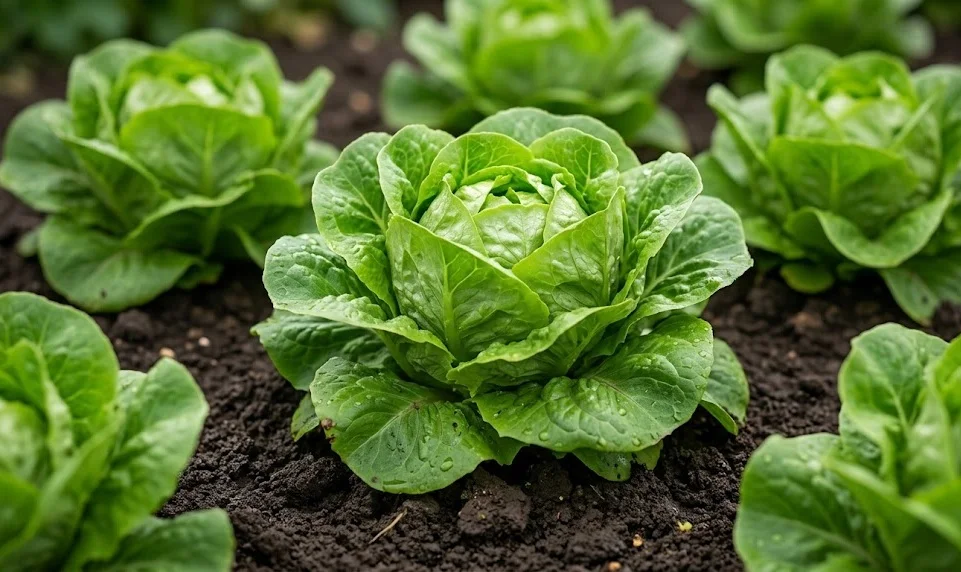

Providing the right amount of light is fundamental to the success of any lettuce crop, as photosynthesis is the process that drives the growth of those crisp, green leaves you want to harvest. Lettuce is generally considered a cool-season vegetable that prefers full sun, which means at least six to eight hours of direct light every day. In the early spring and late autumn, when the sun is lower in the sky and the days are shorter, finding the sunniest spot in your garden is essential. Proper light exposure ensures that your plants grow quickly and develop a strong, healthy structure for the season ahead.
If your garden is partially shaded by trees or buildings, you should try to place your lettuce beds in the areas that receive the most morning light. The morning sun is less intense than the afternoon sun and helps to dry the dew off the leaves, which can reduce the risk of fungal diseases. You might notice that lettuce grown in lower light conditions tends to be a bit leggy or has thinner leaves that aren’t as satisfying to eat. Maximizing every available ray of sunshine will help you produce the highest quality greens for your kitchen table.
In very urban environments or small yards, you can use reflective surfaces like white walls or mirrors to bounce extra light into shaded corners of your garden. This simple trick can make a surprising difference in the growth rate and overall health of your plants throughout the year. You should also keep your garden free of tall weeds that might overshadow your lettuce and steal the precious light it needs to thrive. Every bit of light you can capture and direct toward your crop will pay off in a more bountiful and delicious harvest.
Observing how the light moves across your garden at different times of the year is a valuable practice for any serious and dedicated vegetable grower. The shadows that are long in March will be much shorter in June, and the areas that are sunny now might be shaded later in the season. Keeping a simple log of these changes will help you plan your garden layout more effectively and ensure that every plant gets the light it requires. Understanding the rhythm of the sun is a key part of becoming a successful gardener in your local environment.
Implementing shade solutions
While lettuce loves the sun, it can easily become stressed and begin to bolt when the light and heat become too intense during the peak of the summer. Providing some artificial or natural shade during the hottest part of the afternoon can help keep the plants cool and extend your harvesting season significantly. You can use shade cloth, which is a specially designed fabric that blocks a percentage of the sun’s rays while still allowing air to circulate freely. This simple intervention can prevent the leaves from turning bitter and the plants from going to seed too quickly.
More articles on this topic
You can also use larger, sun-loving plants like tomatoes, peppers, or corn to provide living shade for your more sensitive lettuce crops in the same garden bed. By planting the lettuce on the northern side of these taller neighbors, you give them a natural break from the intense southern sun during the day. This companion planting strategy is a great way to maximize your garden space and create a more comfortable microclimate for your leafy greens. It’s an elegant solution that mimics the way plants grow together in the natural world.
For those who grow lettuce in containers, the ability to move your plants into the shade when the weather gets too hot is a major advantage for any home gardener. You can place your pots on a porch or under a tree during the middle of the day and then move them back into the sun as the afternoon cools down. this flexibility allows you to manage the light exposure very precisely and ensure that your lettuce stays in its optimal growing range. Moving containers is a small effort that can lead to much better results during the summer months.
If you don’t have shade cloth or taller plants, you can get creative with household items like old umbrellas or even temporary wooden lattice structures to provide some relief for your greens. The goal is to break the intensity of the direct light without cutting it off entirely, as the plants still need some energy to continue growing. You should monitor your shaded plants closely to make sure they aren’t becoming too stretched or weak from a lack of light. Finding the right balance between protection and growth is an art that you will refine over time with experience.
Supplementing with artificial light
If you are interested in growing lettuce indoors or in a basement during the winter, you will almost certainly need to provide some form of supplemental artificial light. Modern LED grow lights are incredibly efficient and can provide the specific spectrum of light that plants need for healthy vegetative growth without generating too much heat. You should aim to provide about 12 to 14 hours of light per day to mimic the long days of spring and keep the plants growing vigorously. Setting your lights on a simple timer makes this process completely automatic and worry-free for the busy gardener.
More articles on this topic
The distance between the lights and your plants is a critical factor that can determine whether your indoor lettuce thrives or struggles to survive in its environment. If the lights are too far away, the plants will become “leggy” as they stretch toward the source of energy, resulting in weak and spindly stems. If the lights are too close, they can actually burn the sensitive leaves or cause the soil to dry out too quickly for the shallow roots to handle. You should adjust the height of your lights regularly as the plants grow to maintain the perfect distance for optimal health.
Using reflective materials like Mylar or even white paint on the walls of your indoor growing area can help you make the most of your artificial lighting setup. These surfaces reflect any stray light back toward the plants, ensuring that none of the energy you are paying for is wasted in the room. This can significantly improve the growth rate and the density of the lettuce heads, making your indoor garden much more productive and efficient. It is a simple professional technique that can be easily applied in any home setting for better results.
Growing lettuce under lights is a fantastic way to have fresh, pesticide-free greens available for your family even when the ground outside is covered in snow and ice. It’s also a great way to start your spring seedlings early so they are large and strong by the time the weather is warm enough for outdoor planting. Once you experience the convenience and quality of homegrown indoor lettuce, you might find that you want to keep your lights running all year round. The world of indoor gardening offers endless possibilities for the curious and dedicated plant lover.