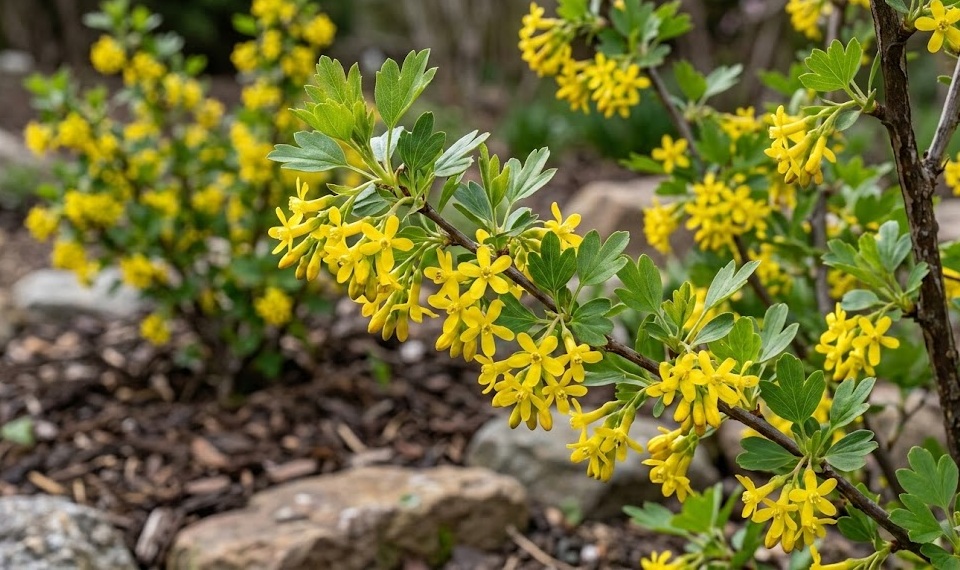

Understanding the role of sunlight in the life of a golden currant is key to placing it correctly in your landscape. You must recognize that while this plant is remarkably adaptable, its performance in terms of flowers and fruit is directly linked to light exposure. Balancing the need for sun with the risk of heat stress requires a nuanced approach that considers your local climate. This article explores how to optimize the light environment for your shrubs to ensure they thrive for years.
Ideal sunlight exposure levels
The golden currant performs its best when it is planted in a location that receives full sun for most of the day. You should aim for at least six to eight hours of direct sunlight to encourage the most profuse flowering and the sweetest fruit. Sunlight provides the energy the plant needs to build strong stems and a healthy root system through photosynthesis. A sun-drenched site is the primary goal for any professional grower looking for high yields.
In regions with very hot summers, the plant actually appreciates some light afternoon shade to protect it from the most intense heat. You might find that the foliage remains greener and more vibrant if it isn’t blasted by the sun during the hottest part of the day. This balance prevents leaf scorch and keeps the plant from becoming overly stressed during the peak of the growing season. Understanding the specific intensity of your local sun is part of being an expert gardener.
If you are growing the currant primarily for its ornamental value and its beautiful spring fragrance, you have a bit more flexibility. You should still avoid deep shade, as this will lead to a leggy growth habit and very few flowers. However, a site with dappled sunlight throughout the day can still produce a very attractive and healthy shrub. It is all about matching the light levels to your specific goals for the plant in your landscape.
The direction of the exposure also matters when you are deciding where to put your new golden currant. A south-facing slope or wall will provide the most consistent light and warmth throughout the year. If you are in a cooler climate, this extra heat can help the fruit ripen more quickly and reliably before the first frosts. Thinking about the sun’s path across your garden helps you make a truly professional planting decision.
More articles on this topic
Managing shade tolerance
One of the great features of the golden currant is its ability to grow and even flower in partial shade. You can use it as an understory plant in a larger food forest or along the edge of a wooded area where other currants might struggle. While it won’t produce as much fruit in these conditions, it still provides valuable habitat and late-spring beauty. This adaptability makes it a versatile tool for any landscape designer or professional horticulturist.
You should be aware that plants grown in more shade will typically have a more open and sprawling growth habit. You may need to adjust your pruning strategy to encourage a denser shape and prevent the branches from becoming too weak. Light levels also affect the timing of the bloom, with shaded plants often flowering a week or two later than those in full sun. Being aware of these subtle differences helps you manage your garden more effectively.
Fungal diseases can be more of a problem in shaded areas because the leaves stay wet for a longer period after a rain. You must be even more diligent about proper spacing and thinning if you are planting your currants in a low-light environment. Ensuring there is plenty of airflow is the best way to compensate for the lack of direct drying sunlight. A professional approach means adjusting all aspects of your care to fit the specific conditions of the site.
If you notice that your plant is struggling or failing to flower at all, it may be receiving too much shade. You might consider thinning out any overhanging tree branches to allow a bit more light to reach the shrub below. Small changes in the canopy can make a huge difference in the health and productivity of the plants on the ground. Managing the entire light environment is a key part of long-term garden success.
More articles on this topic
Solar impact on fruit quality
The amount of light the berries receive as they are developing has a direct impact on their final flavor and sugar content. You will find that fruit grown in full sun is generally sweeter and more intensely flavored than berries grown in the shade. The sun helps the plant produce the carbohydrates that are funneled into the fruit during the ripening process. For the best culinary results, you should always prioritize light when you are choosing a planting site.
Sunlight also plays a role in the color development of the berries, which can range from yellow to deep purple or black. You might notice that the fruit on the outer parts of the shrub ripens more quickly than the berries hidden deep in the foliage. Pruning the plant to allow more light into the center of the bush helps the entire crop ripen more evenly. This attention to detail is what ensures a high-quality and consistent harvest for your kitchen.
Extreme sun can sometimes lead to “cooked” or shriveled berries if the plant is also suffering from a lack of water. You should ensure that your irrigation is consistent during the ripening phase to help the plant manage the solar energy it is receiving. A well-hydrated plant can handle much more sun than one that is struggling to find enough moisture. The relationship between light and water is one of the most important cycles to understand in gardening.
Finally, the fall foliage color of the golden currant is also influenced by the amount of light it receives late in the season. You will see much more dramatic reds, oranges, and purples on plants that are in open, sunny locations. This late-season beauty is the perfect way to end the growing year and highlights the importance of light for the plant’s overall aesthetic. A professional gardener considers every season when they are planning their landscape.