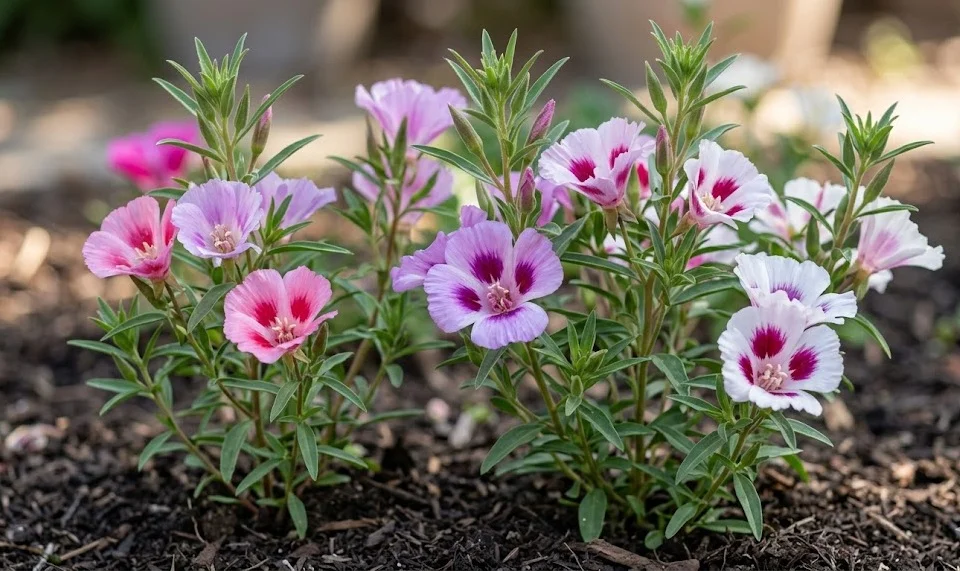

Understanding the light requirements of godetia is essential for achieving the dense, vibrant floral displays that characterize a professional garden. These plants are sun-lovers that thrive when they receive ample brightness, yet they also have a nuanced relationship with the heat that often accompanies direct sunlight. Finding the perfect balance between light intensity and temperature control will determine the health of the foliage and the longevity of the blossoms throughout the summer. By carefully selecting the planting site and managing the exposure, you can create the ideal conditions for these elegant annuals to flourish.
Sunlight intensity
Full sun is the primary requirement for these plants if you want them to produce the most abundant and colorful flowers possible. You should aim to place them in a location that receives at least six to eight hours of direct light every day. This high level of energy allows the plant to carry out the photosynthesis needed for its rapid lifecycle and the development of its satiny petals. In gardens that are too shaded, you will often find that the stems become weak and leggy as they stretch toward the nearest source of light.
The quality of the morning sun is particularly beneficial because it provides the necessary light without the extreme heat of the mid-afternoon. You should try to orient your flower beds so that they catch the first rays of the day, allowing the dew to dry quickly from the leaves. This early brightness jumpstarts the plant’s metabolic processes and prepares it for the warmer hours ahead. A garden that receives strong morning light often has fewer problems with fungal diseases and foliage stress.
Reflected light from nearby structures or light-colored walls can also contribute to the total energy the plants receive each day. You should consider how the surrounding environment might enhance or diminish the light levels in your chosen planting spot. While direct sun is best, these subtle additions of brightness can help plants in slightly less-than-optimal locations still perform well. Observing the patterns of light and shadow in your garden over the course of a full day will provide you with valuable insights.
High-altitude gardens or those in very northern latitudes may experience much more intense ultraviolet light than those in other regions. You should be aware that this increased intensity can sometimes cause the delicate petals to fade more quickly than expected. Providing a bit of dappled shade during the peak of the day can help preserve the rich colors and prevent the foliage from becoming scorched. Adapting your understanding of “full sun” to your specific geographic location is a mark of an expert gardener who respects the local climate.
More articles on this topic
Photoperiodism and flowering
The length of the day plays a significant role in triggering the flowering response in many annual species, including this one. You should notice that as the days reach their maximum length in early summer, the plants begin to shift their energy from leaf production to budding. This natural internal clock ensures that the flowers appear when the most pollinators are active and when the conditions are best for seed production. Understanding this timing allows you to plan your garden so that the peak of the bloom coincides with your desired display period.
Sowing your seeds too late in the season can sometimes lead to poor results if the day length is already beginning to shorten. You should try to get your plants established while the days are still lengthening toward the summer solstice. This gives them the best chance to build a strong vegetative base before the flowering hormones take over. A plant that has had enough time to grow under the increasing light of spring will always produce a more impressive and resilient show of flowers.
Artificial lighting in your garden, such as from nearby streetlamps or bright security lights, can sometimes disrupt the natural rhythm of your plants. You should try to place your flower beds in areas that experience true darkness during the night hours. While the impact is usually subtle for most annuals, a consistent and natural light cycle is always better for the overall health of the ecosystem. Respecting the plant’s need for a period of rest each night is a simple way to support its biological processes.
Observing how different varieties react to the changing light throughout the season will help you refine your planting choices for the future. You may find that some cultivars are more sensitive to day length than others, leading to variations in when they start to bloom. Keeping a record of these observations in your garden journal allows you to build a personalized database of knowledge for your specific location. This attention to detail is what separates a casual observer from a dedicated and professional horticulturalist.
More articles on this topic
Shading strategies
In regions with extremely hot summers, providing some afternoon shade can be a lifesaver for your sun-loving annuals. You should look for ways to protect the plants from the harshest rays of the sun between two and four o’clock in the afternoon. This can be achieved by planting them near taller perennials or using temporary shade cloth during an intense heatwave. Reducing the thermal stress on the plant during these peak hours can significantly extend the life of each individual flower.
Dappled shade is another effective environmental condition that you can use to your advantage in a diverse garden. You should consider placing your flowers under the light canopy of a deciduous tree where the light is filtered through the leaves. This creates a soft, shifting light pattern that provides enough energy for growth while keeping the ambient temperature much cooler. This microclimate is often where these plants look their most ethereal and beautiful, with the light highlighting the translucent quality of their petals.
Using natural topography or the shadows cast by your home can help you create protected zones for your more sensitive floral displays. You should pay attention to how the shadows move across your yard and use this information to place your plants strategically. A bed that is in full sun for the morning and early afternoon but finds itself in shadow by late day is often the perfect compromise. This thoughtful placement shows a deep understanding of the relationship between light, shadow, and plant health.
Monitoring the color of the leaves will tell you if your plants are receiving the right amount of light or if they are becoming stressed. You should look for a healthy, vibrant green as a sign that the light levels are just right for the plant’s needs. If the leaves start to look pale or yellowish, they may be receiving too much intense sun without enough water to compensate. Conversely, very dark green leaves on a thin, tall plant are often a cry for more brightness to support its growth.