
Optimizing the light exposure for this ornamental shrub is a fundamental aspect of horticultural care that directly influences its growth habit, foliar density, and flowering potential. While the species is noted for its adaptability, professionals understand that there is a specific range of light intensity that produces the most aesthetically pleasing and biologically robust specimens. By carefully evaluating the light patterns in your garden throughout the seasons, you can place the shrub in a position where it can truly flourish. This article details the nuanced relationship between light and the physiological success of this popular garden plant.
Ideal sunlight exposure for maximum flowering
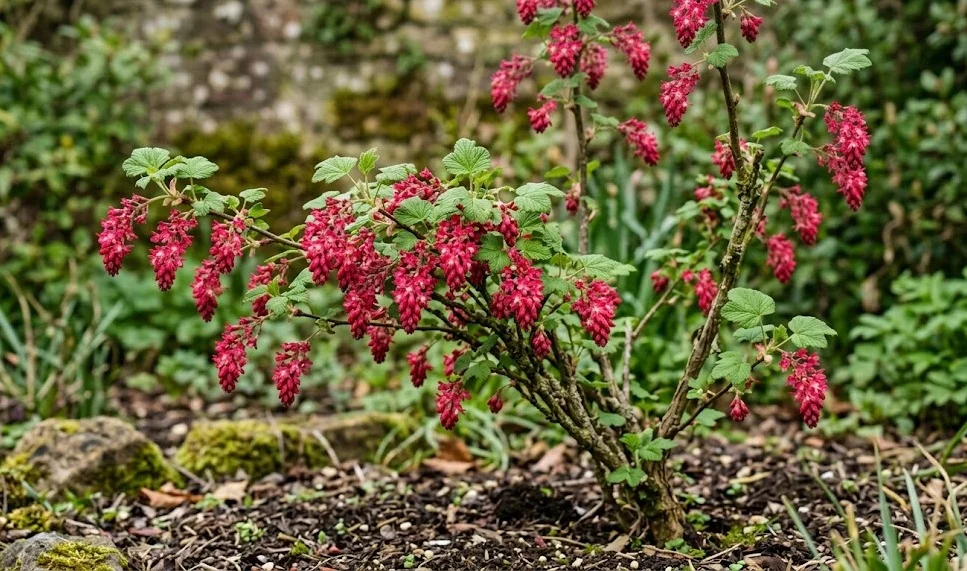
For the most spectacular floral display, this shrub should ideally be situated in a location that receives full sun to partial shade. In practical terms, this means at least six hours of direct sunlight during the spring and summer months to provide the energy needed for bud development. The vibrant pink and red hues of the flowers are often more intense when the plant has access to high-quality natural light throughout the day. Furthermore, sufficient sunlight ensures that the growth remains compact and strong, preventing the stems from becoming leggy or weak.
Morning sun followed by some dappled shade in the afternoon is often considered the “sweet spot” for many professional landscapers. This arrangement provides the light necessary for photosynthesis while protecting the foliage from the most intense heat of the day. In regions with particularly hot summers, providing some relief from the midday sun can prevent the leaves from suffering from sunscorch or premature wilting. Observation of the plant’s reaction to its specific location will help you determine if the balance of light and shade is correct for your local climate.
The orientation of the planting site also plays a significant role in how much light the shrub actually receives over the course of the year. South-facing positions offer the most consistent light but may require more intensive watering to compensate for the increased evaporation. North-facing spots or those heavily shaded by tall buildings may result in a more sparse growth habit and fewer flowers during the spring. Understanding these environmental dynamics allows the gardener to make informed decisions about placement before the shrub is permanently installed in the landscape.
Seasonal changes in the sun’s path should also be taken into account when evaluating the suitability of a particular spot. A location that is perfectly sunny in the summer may be in deep shade during the early spring when the plant is preparing to bloom. Since the primary ornamental value of this species occurs early in the year, ensuring adequate light during the pre-flowering phase is critical. A professional approach involves monitoring the light levels at different times of the year to ensure the plant’s needs are met throughout its entire lifecycle.
More articles on this topic
Effects of deep shade on growth and health
While this species can tolerate more shade than many other flowering shrubs, placing it in deep, permanent shade will lead to a noticeable decline in its performance. One of the first signs of insufficient light is the stretching of the stems as the plant tries to reach for a better light source. This results in a “leggy” appearance with large gaps between the leaves and a general loss of the shrub’s elegant, rounded form. In these conditions, the internal structure of the plant becomes weaker and more susceptible to mechanical damage from wind or snow.
Flowering is significantly reduced in low-light environments, as the plant must prioritize its limited energy reserves for basic survival and vegetative growth. The blossoms that do appear may be pale in color and much shorter-lived than those grown in more favorable light conditions. If your goal is to create a vibrant focal point in the garden, a shaded corner is unlikely to deliver the results you desire. Over several years, a shrub in deep shade may become sparse and unattractive, losing the very qualities that make it a desirable ornamental specimen.
Furthermore, shaded areas often have higher humidity and less air circulation, which creates an ideal environment for various fungal diseases. Powdery mildew and leaf spots are far more common on plants that do not receive enough sunlight to dry their foliage quickly after rain or dew. The lack of UV light also means that the plant’s natural defenses may be less effective at suppressing the growth of these pathogens. Maintaining a balance of light is therefore not just an aesthetic choice, but a critical component of the shrub’s overall health and disease resistance.
If a specimen must be grown in a shaded area, the gardener should compensate by ensuring that air circulation is maximized through careful pruning. Thinning out the canopy allows what little light is available to reach the inner parts of the shrub and helps to keep the foliage as dry as possible. However, the most successful strategy remains choosing the right plant for the right place, rather than trying to force a sun-loving species to thrive in the dark. A well-placed shrub will always be healthier and more beautiful than one that is constantly struggling against its environmental limitations.
More articles on this topic
Managing light intensity and seasonal transitions
Managing the light exposure of a shrub often involves more than just the initial planting; it requires ongoing attention to the changing landscape around it. As neighboring trees grow and mature, they may begin to cast more shade on your shrub than was originally intended. Periodic pruning of these overhanging branches can help maintain the necessary light levels and ensure that the ornamental plant continues to receive its fair share of the sun’s energy. This proactive management of the garden’s canopy is a hallmark of professional landscape maintenance.
During the peak of summer, the intensity of the light can occasionally become a stress factor, especially if it is accompanied by high temperatures and drought. If you notice the leaves beginning to look dull or developing brown, crispy edges, it may be a sign that the light intensity is too high for the current moisture levels. Providing temporary shade with a lattice screen or simply increasing the frequency of irrigation can help the plant cope with these extreme conditions. A healthy, well-hydrated shrub is much more capable of handling intense sunlight without suffering from permanent cellular damage.
Reflected light from light-colored walls or fences can also increase the total amount of energy reaching the plant, which can be both a benefit and a challenge. In cooler climates, this reflected heat can help the plant bloom earlier and grow more vigorously in a protected microclimate. In warmer areas, however, this additional thermal energy can lead to overheating and increased water stress during the summer months. Being aware of these subtle environmental factors allows you to fine-tune the care of your specimen for the best possible results.
Ultimately, the goal is to provide a stable and supportive light environment that allows the plant to express its full genetic potential. Whether it’s through careful site selection, strategic pruning of neighboring plants, or temporary seasonal protection, managing light is a key skill for any gardener. When the light is right, the shrub will reward your efforts with a spectacular display of color and a lush, healthy appearance that enhances the entire garden. Consistent observation and small adjustments over time are the keys to mastering the light requirements of this beautiful species.