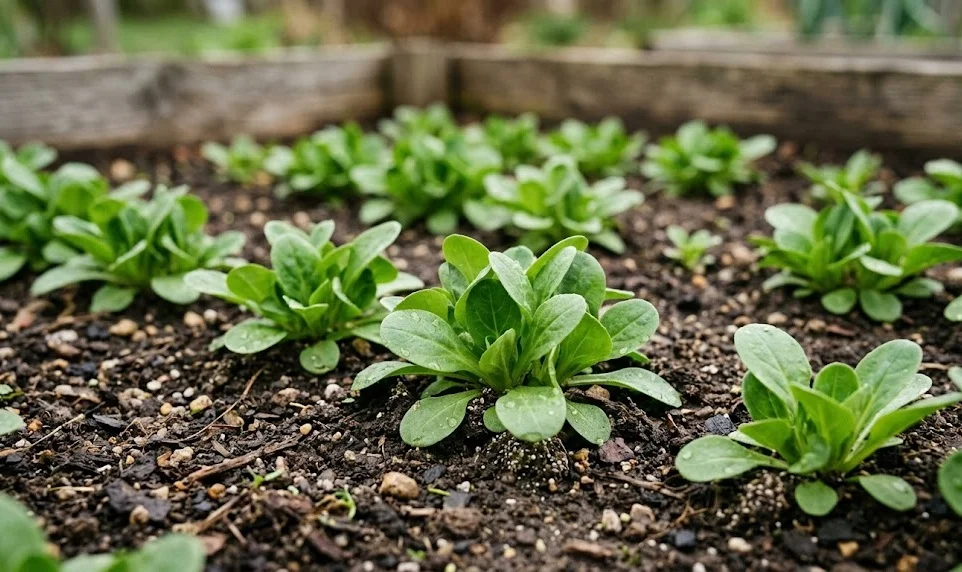

Light requirements of corn salad are unique among leafy greens, as this plant is specifically adapted to the lower light levels of autumn and winter. While most garden crops demand full sun to thrive, corn salad can perform remarkably well in partial shade or under the filtered light of a winter sun. Understanding how light influences the growth rate and leaf quality of this crop is essential for selecting the best planting site. A professional gardener knows how to manipulate light exposure to achieve the desired balance between speed of growth and flavor profile.
Photoperiodism plays a significant role in the lifecycle of corn salad, particularly when it comes to the transition from vegetative growth to flowering. As the days begin to lengthen in late spring, the increase in light duration signals the plant to produce a flower stalk. This process, known as bolting, changes the flavor of the leaves, making them bitter and less desirable for culinary use. By planting in late summer, you take advantage of the shortening days, which encourages the plant to stay in its tender, leafy stage for much longer.
Shade versus full sun is a common consideration when deciding where to place corn salad in a diverse garden layout. In the heat of late summer, providing some afternoon shade can actually be beneficial for germination and early seedling development. However, as the season progresses into late autumn and winter, maximizing every available hour of sunlight becomes more important for maintaining growth. Choosing a site that offers flexibility, such as one near deciduous trees that lose their leaves in winter, can provide the best of both worlds.
Light during winter is often the limiting factor for plant growth, even more so than temperature in some northern regions. While corn salad can survive in very low light, its growth will slow down significantly if it does not receive at least a few hours of direct brightness. If using heavy row covers or tunnels, it is important to choose materials that allow for high light transmission. Keeping the covers clean and free of snow or debris ensures that the plants receive the maximum amount of energy for photosynthesis during the short winter days.