
Full sun benefits and growth performance
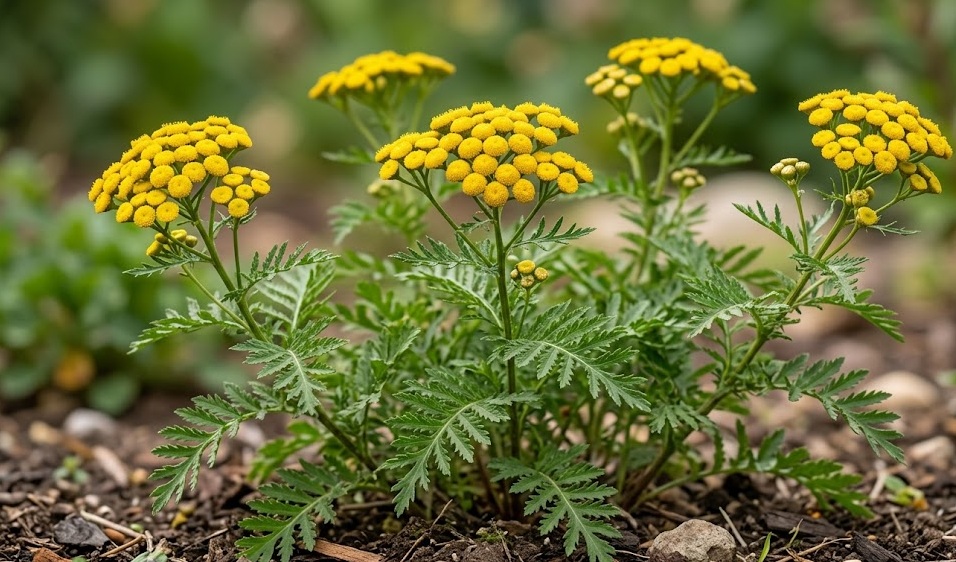
Common tansy reaches its full professional potential when grown in a location that receives at least six to eight hours of direct sunlight each day. The energy provided by the sun is essential for the production of the vibrant yellow flowers and the aromatic oils within the leaves. In a full sun environment, the stems grow sturdy and upright, reducing the need for artificial support or staking. Professional landscape designs prioritize sunny positions for this species to ensure a dense and healthy appearance throughout the summer.
Photosynthesis is most efficient under bright conditions, allowing the plant to store significant energy reserves in its root system. This energy is crucial for the plant’s ability to survive the winter and return with vigor the following year. Specimens grown in optimal light are also generally more resistant to fungal diseases, as the sun helps dry the foliage after rain or irrigation. Observation of the plant’s growth habit can quickly reveal whether it is receiving the necessary amount of solar radiation.
The intensity of the sunlight also influences the concentration of the chemical compounds that give the plant its characteristic scent and medicinal properties. For those who value the tansy for its traditional uses, a sunny location is absolutely non-negotiable for high-quality foliage. The timing of the flowering period is also more consistent and predictable when the light requirements are fully met. A professional gardener will always map the sun patterns of a site before deciding where to place these perennials.
In regions with extremely high temperatures, the midday sun can sometimes be intense enough to cause slight stress to the foliage. However, as long as the plant is well-hydrated, it can usually handle these conditions without any long-term negative effects. Providing a light mulch to keep the roots cool can help the plant thrive even in the most intense summer heat. The relationship between light and water is a key balance that must be managed by any professional horticulturist.
Partial shade tolerance and limitations
While the common tansy is a sun-loving species, it does possess a moderate degree of tolerance for locations with partial shade. In these environments, the plant may still grow and survive, but its overall performance will likely be less impressive than in full sun. The stems often become longer and more slender as they “stretch” toward the available light source, which can lead to a flopping habit. Professional maintenance in shady areas may involve more frequent pruning or the use of supports to keep the plant tidy.
More articles on this topic
Flower production is typically the most significant casualty of a location that is too shaded for the plant’s needs. The blooms may be smaller, less numerous, or may fail to appear entirely if the light levels are significantly below the optimal range. The leaves may also appear a lighter green and lack the dense, lush texture seen in specimens grown in bright light. Understanding these limitations is important for a professional gardener when managing client expectations for a specific site.
Another challenge of growing tansy in partial shade is the increased risk of moisture-related diseases such as powdery mildew. Shadier spots often stay damp for longer periods, providing the perfect environment for fungal spores to establish themselves. Extra care must be taken to ensure adequate spacing and to avoid any overhead watering that could further increase the humidity around the foliage. In these conditions, proactive management is the only way to maintain a professional appearance.
If a garden only offers shaded positions, it may be better to select a different species that is better adapted to those specific light levels. However, if the tansy must be grown there, choosing the brightest possible spot is the best strategy for success. Observing the movement of shadows throughout the day can help identify “micro-climates” that receive a few hours of valuable direct sun. Professionalism in gardening involves making the best use of the available light to support the health of every plant.
Maximizing photosynthesis and site selection
Selecting the ideal site for common tansy is a strategic process that involves more than just finding a sunny patch of ground. One must also consider how the light interacts with the surrounding structures, such as fences, walls, and larger trees. Reflections from light-colored surfaces can sometimes increase the intensity of the light available to the plant in a beneficial way. Conversely, the growth of nearby vegetation over time can slowly change a sunny spot into a shaded one.
More articles on this topic
Long-term site management involves monitoring these changes and making adjustments to the landscape as needed. This might include pruning back overhanging branches from nearby trees to restore the light levels for the perennials below. A professional approach considers the future development of the garden, not just its current state on the day of planting. Ensuring that the common tansy continues to receive its required light is a part of an ongoing commitment to horticultural excellence.
The orientation of the garden beds also plays a role in how effectively the plants can capture the available sunlight. East-west oriented rows generally provide more consistent light exposure for all the plants in the group. This organization prevents the larger specimens from casting too much shade on their smaller or newly planted neighbors. Scientific principles of light and shadow are fundamental tools for any professional agriculturist or garden designer.
Ultimately, the goal is to provide an environment where the common tansy can perform at its biological peak. When the light requirements are met, the plant becomes a low-maintenance and high-impact member of the garden community. Its resilience and beauty are directly tied to the quality of the light it receives throughout the growing season. Successful site selection is the first and most important step in a professional plant care routine.