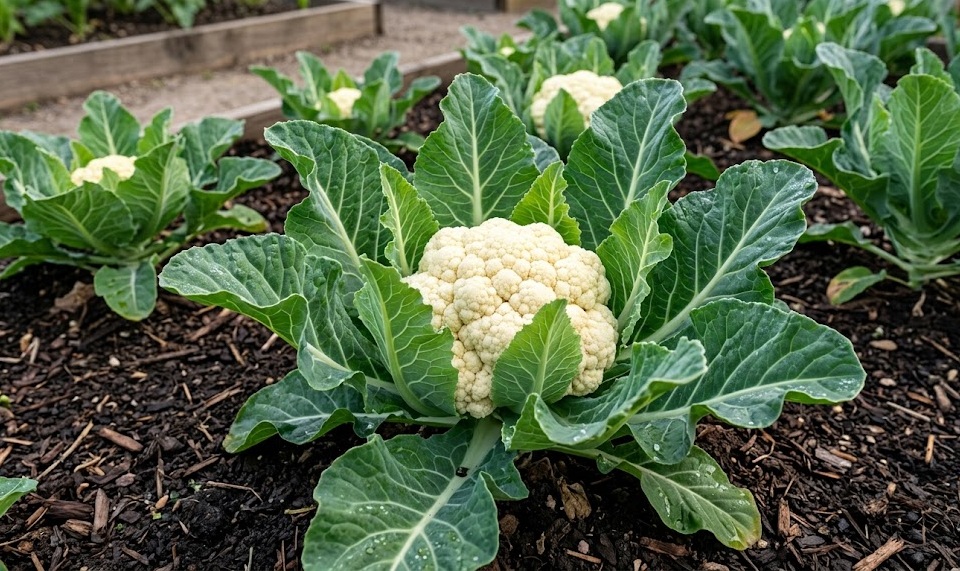

Cauliflower is a sun-loving plant that requires at least six to eight hours of direct sunlight every day to thrive. Solar energy is the primary driver of photosynthesis, which provides the sugars necessary for building large leaves and firm curds. Without adequate light, the plants will become weak, spindly, and may fail to produce a harvestable head at all. You must carefully select a planting site that is not shaded by buildings, trees, or other large structures.
In more northern latitudes or during the shorter days of autumn, providing even more than eight hours of light is often beneficial. The intensity of the sunlight also matters, as the plant needs high-quality light to maintain its rapid growth rate. Professional growers often use light meters to quantify the amount of solar radiation their fields receive throughout the day. This data-driven approach allows for more precise planning and better overall crop management.
When sunlight is abundant, the plant can develop a robust canopy of dark green leaves that effectively protects the developing curd. These leaves act like solar panels, capturing energy and channeling it toward the center of the plant. A strong, light-saturated plant is also more resilient to pests and diseases than one that is struggling in the shade. Investing in a sunny location is the most important decision you can make when planning your cauliflower patch.
If you are growing in a region with extremely intense summer sun, you may actually need to provide a small amount of filtered shade. While the plants need light, the extreme heat that often accompanies direct sun can cause the curds to become loose and grainy. Using a light-weight shade cloth during the hottest part of the afternoon can help balance these two competing needs. A professional grower always monitors the relationship between light intensity and ambient temperature.
Impact of shade and light competition
Shaded cauliflower plants often exhibit a phenomenon called “leggy” growth, where the stems stretch toward the light source. This makes the plants more prone to breaking in the wind and less efficient at transporting water and nutrients. Furthermore, the lack of energy results in smaller, less compact curds that may have a bitter flavor. You should avoid planting cauliflower in the shadow of taller crops like corn or climbing beans for this reason.
More articles on this topic
Competition for light can also occur between the cauliflower plants themselves if they are spaced too closely together. As the plants grow, their large leaves will begin to overlap, shading out the lower parts of the plant and neighboring individuals. This reduced light penetration creates a humid microclimate that is highly conducive to the spread of fungal diseases. Maintaining the professional spacing of at least two feet between plants ensures that each one receives its fair share of the sun.
In some urban or backyard settings, reflected light from white walls or fences can provide a supplemental boost to your plants. This secondary light source can help compensate for a slightly shaded location and improve the overall growth rate. However, you should be careful that the reflected light does not also increase the temperature to a dangerous level for the curd. Understanding how light interacts with the surrounding environment is a key part of professional garden design.
If a plant has been growing in a shaded area and is suddenly moved into full sun, it may experience a condition known as sunscald. This is essentially a sunburn for plants, where the sudden intensity of the light damages the outer tissues of the leaves. You must always transition plants gradually to higher light levels to allow them to build up their natural defenses. This process of acclimation is a vital part of professional transplanting and nursery management.
Seasonal variations in light quality
As the seasons change, the angle and intensity of the sun shift, which has a direct impact on the growth of your cauliflower. In the spring, the light is becoming more intense and the days are lengthening, which signals the plants to grow rapidly. Conversely, in the autumn, the decreasing light and shorter days can slow down the development of the curd. Professional growers adjust their planting schedules and variety choices to account for these predictable seasonal shifts.
More articles on this topic
During the winter months, the low angle of the sun means that shadows are much longer and light intensity is at its lowest point. If you are overwintering cauliflower, you must ensure that your protection structures do not further reduce the limited light available. Using clear plastic or specialized light-transmitting fabrics for your tunnels is essential for keeping the plants alive and healthy. Even a small reduction in winter light can have a significant negative impact on the eventual spring harvest.
Cloudy or foggy weather can also reduce the amount of light available to your plants for several days at a time. While you cannot control the weather, you can choose varieties that are known to perform well in lower-light or cooler conditions. Professional vegetable trials often include “cloudy day” simulations to identify the most resilient cultivars for different geographical regions. This level of scientific rigor is what ensures a stable and reliable food supply for everyone.
Artificial lighting is rarely used in the field but is a standard tool in professional greenhouses and seed starting facilities. High-intensity discharge lamps or modern LED arrays can provide the exact spectrum of light needed for optimal plant growth. By controlling the photoperiod, or the length of the day, growers can manipulate the timing of flowering and harvest to meet market demands. This advanced technology is the pinnacle of modern agricultural light management.