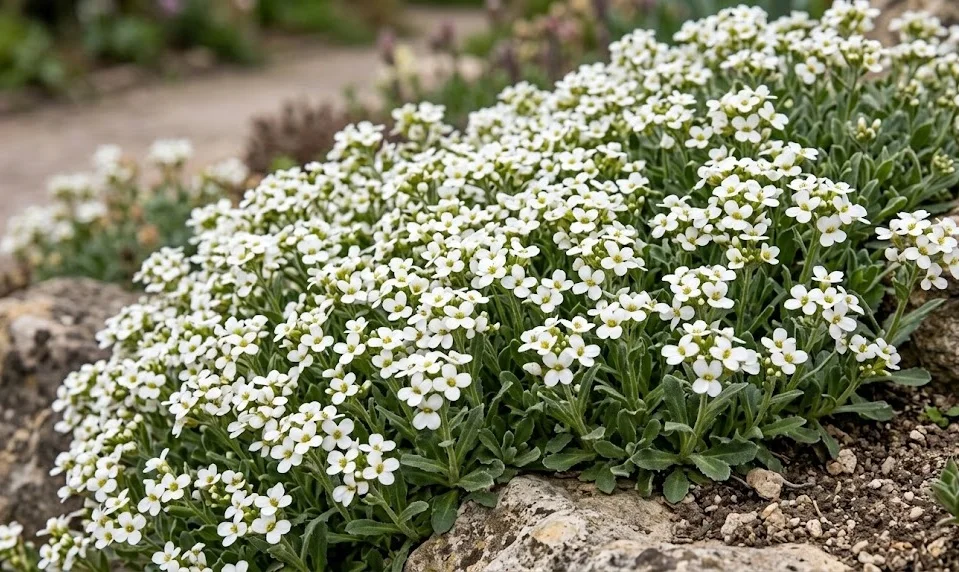

Proper light exposure is one of the most influential factors in the growth, health, and flowering potential of the Caucasian rockcress. As a plant that originates from open, sun-drenched mountain slopes, it has evolved a high demand for bright, direct light to maintain its compact form. Understanding how to manage the intensity and duration of sunlight in your specific garden environment is essential for achieving professional results. By placing this species in its ideal light conditions, you ensure a spectacular display of white blossoms and healthy, silver-green foliage.
In most garden settings, the Caucasian rockcress performs best when it receives at least six to eight hours of direct sunlight each day. You should prioritize a south-facing or west-facing position where the sun’s rays are strongest and most consistent. This high level of light energy is what allows the plant to produce the dense, carpet-like growth that is its trademark. Without adequate sun, the stems will begin to stretch and become leggy as they search for more light, which ruins the aesthetic of the plant.
The morning sun is particularly beneficial because it helps to dry the dew off the foliage, reducing the risk of fungal diseases. You should try to choose a spot that is not shaded by buildings or large trees during the early hours of the day. As the sun moves across the sky, the plant can handle the increasing intensity of the light as long as it is well-established. This natural rhythm of light and shadow helps the plant maintain its physiological balance throughout the growing season.
If you are gardening in a region with extremely hot summers, you might find that the Caucasian rockcress appreciates a little bit of protection from the peak afternoon sun. You could place it in a spot that receives filtered light during the hottest part of the day while still getting plenty of direct sun in the morning and late afternoon. This subtle adjustment can prevent the leaves from scorching and keep the plant looking fresh even in mid-July. Balancing the need for light with the risk of heat stress is a key task for any attentive gardener.
Intensity, duration, and seasonal changes
The intensity of the light is just as important as the duration when it comes to the health of alpine plants. You should be aware that the light at higher altitudes is much more intense than at sea level, and your garden plants must adapt to these local conditions. In very sunny and dry climates, the plant may develop a more pronounced silver or grayish color on its leaves as a natural defense against radiation. This characteristic hue is a sign that the plant is perfectly adapted to its light environment.
More articles on this topic
As the seasons change, the angle and intensity of the sun will fluctuate, affecting the amount of light your rock garden receives. You should observe how the shadows move across your garden in the spring versus the autumn to ensure the rockcress is always getting what it needs. In the early spring, when the plant is preparing to bloom, maximizing light exposure is critical for a prolific floral show. A well-placed plant will capture every possible ray of sunshine during this vital period of the year.
During the winter months, light is less of a factor for growth, but it still plays a role in maintaining the health of the dormant foliage. You should ensure that evergreen plants like the Caucasian rockcress are not completely buried under heavy mulch or debris for long periods. Even in dormancy, the leaves can still benefit from occasional exposure to light on clear winter days. This helps the plant stay resilient and ready to resume growth as soon as the temperatures begin to rise in the spring.
The relationship between light and temperature is a dynamic one that you must monitor closely throughout the year. High light levels combined with high temperatures can lead to rapid moisture loss, requiring more careful attention to soil conditions. Conversely, in cooler weather, the plant can handle even the most intense direct sun without any signs of stress. Learning to read these environmental signals will make you a more effective and successful gardener in any climate.
Shaded environments and creative solutions
While the Caucasian rockcress is a sun-lover, it can tolerate a small amount of light shade, especially in warmer geographical zones. You should avoid planting it in deep shade, such as under a thick canopy of trees or on the north side of a tall wall, as it will surely struggle. In these low-light conditions, the plant will produce fewer flowers and the foliage will lose its characteristic dense and attractive texture. A partially shaded location should still receive several hours of bright, indirect light to keep the plant functional.
More articles on this topic
If your garden is naturally shady, you can use creative landscaping techniques to increase the amount of light reaching your rockcress. You might use light-colored stones or gravel in the rock garden to reflect sunlight onto the plants from below. Pruning back overhanging branches of nearby trees can also open up the “skyview” and provide the necessary boost in light intensity. These small modifications can transform a marginal site into a thriving home for sun-loving alpine species.
Container gardening offers another way to manage light requirements by allowing you to move the plants as the sun shifts throughout the year. You can place your pots in the sunniest spots during the spring and then move them to a slightly more sheltered area during the height of summer. This flexibility is a great advantage for those with limited space or challenging light conditions in their main garden beds. Moving your containers is a simple way to ensure that your plants always have the best possible seat in the sun.
Ultimately, the best way to determine if your Caucasian rockcress is getting the right amount of light is to simply watch how it grows. You should be pleased to see a low, tight mat of foliage and a massive burst of flowers in the spring. If the plant looks sparse, pale, or is leaning heavily in one direction, it is likely telling you that it needs more light. Trusting your observations and being willing to move a plant to a better location is the mark of a true expert.