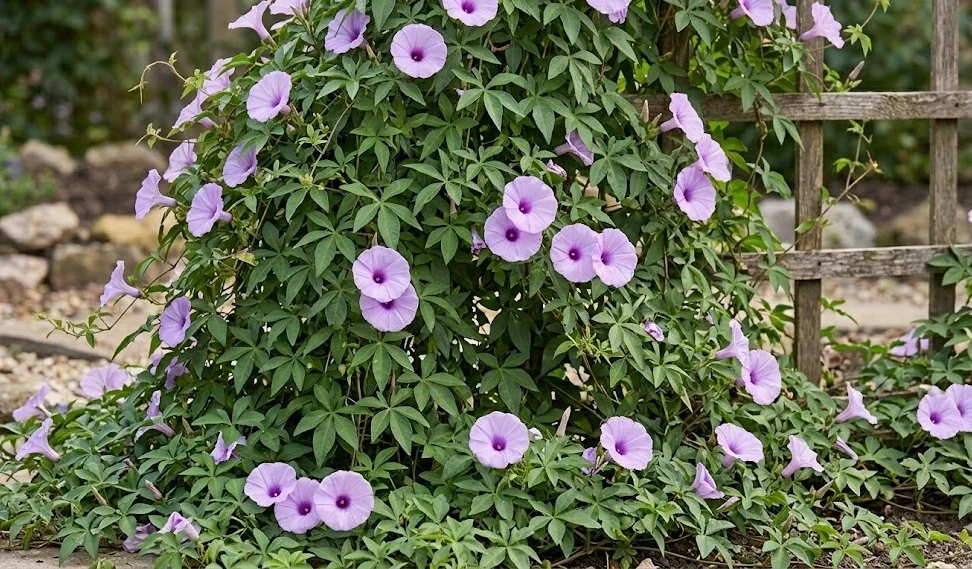

Understanding the light needs of these vigorous climbers is fundamental to achieving the prolific flowering and lush foliage that define the species in a professional setting. You must recognize that light is the primary energy source that drives the rapid growth rate these plants are famous for. A failure to provide the correct intensity and duration of sunlight will result in a weak, spindly plant that refuses to produce its iconic blossoms. This article explores the expert strategies for managing light exposure in your garden.
In their natural habitat, these vines are adapted to environments with high light levels and long hours of direct sun. You will find that they perform best when they receive at least six to eight hours of full sun every day. This intense light is what triggers the complex chemical processes needed for the initiation of flower buds. Without enough sun, the plant will put all its limited energy into searching for light, leading to long stems with very few leaves.
However, the quality of the light is just as important as the quantity when you are managing a professional landscape. Morning sun is often preferred because it is less intense than the harsh afternoon light but still provides plenty of energy. In very hot climates, a little bit of dappled shade during the hottest part of the day can actually prevent leaf scorch. Finding the perfect balance for your specific microclimate is the hallmark of an expert gardener or agriculturist.
Professional monitoring of light levels throughout the day and across the seasons will give you the data needed to make informed decisions. You should observe how the shadows move across your planting site at different times of the year. Remember that a spot that is in full sun in mid-summer might be in deep shade by the time autumn arrives. Planning your garden layout with these shifts in mind ensures that your climbers always have the energy they need to thrive.
Optimizing sun exposure
The orientation of your trellis or support structure can have a significant impact on how much light the vine receives. A south-facing wall or fence is usually the ideal location for these sun-loving plants in the northern hemisphere. This exposure ensures that the plant catches the maximum amount of solar energy throughout the entire day. If you are planting in a more shaded area, you may need to use reflective surfaces to bounce extra light onto the foliage.
More articles on this topic
Spacing between your plants also plays a role in how light is distributed across the entire green mass of the vine. If the plants are too crowded, they will shade each other out, leading to dead or yellowing leaves in the center of the plant. You should prune the vines strategically to allow light to penetrate deep into the interior of the foliage. This practice encourages more even growth and prevents the plant from becoming “bottom-heavy” with bare stems near the ground.
The color of nearby structures can even influence the light environment for your climbers in a subtle but measurable way. A white or light-colored wall will reflect more light and heat back onto the plant, which can be beneficial in cooler regions. In contrast, a dark-colored fence will absorb heat and may contribute to overheating in already hot climates. A professional approach considers every element of the surrounding environment when selecting a site for these vigorous vines.
Finally, keep in mind that the intensity of the sun can change based on your altitude and local air quality. In high-altitude gardens, the UV rays are much stronger, and plants may need a bit more protection than they would at sea level. Similarly, in urban areas, smog or dust can filter out some of the useful light spectrum, requiring you to compensate in other ways. Understanding these local factors allows you to tailor your care routines to the specific needs of your professional garden.
Managing shade and low light
While these vines clearly prefer the sun, there are times when you may have to deal with less-than-ideal light conditions in your landscape. You will notice that in partial shade, the plant will still grow, but its overall vigor and flowering will be significantly reduced. The leaves may become larger and thinner as the plant tries to capture as much light as possible from the surrounding environment. This is a natural adaptation, but it may not produce the aesthetic results you are looking for.
More articles on this topic
If you must grow these climbers in a shadier spot, you can help them by being more precise with your other care routines. Ensuring that the plant has perfect soil and the ideal amount of water can help it compensate for the lack of light energy. You should also be extra vigilant about pests and diseases, as plants in low light are often more susceptible to these issues. A professional gardener knows how to support a plant when it is not in its favorite environment.
Pruning becomes even more important when light is limited, as you need to make sure every leaf is positioned for maximum exposure. You should remove any competing vegetation that might be casting extra shade on your vines throughout the day. In some cases, you may even consider thinning the canopy of overhanging trees to allow more light to reach the ground. Managing the “light budget” of your garden is a key skill for any expert landscaper.
In extreme cases where light is very poor, you might find that the plant remains entirely vegetative and never produces a single flower. If this happens, you may need to accept that the site is simply not suitable for this species and choose a more shade-tolerant alternative. A professional approach involves knowing when to work with the environment and when to change your plan. Success in the garden is often about matching the right plant to the right light conditions from the very beginning.
Light and the blooming cycle
The timing and duration of the light your plants receive are the primary triggers for the beginning of the blooming season. Many morning glories are “short-day” or “long-day” sensitive, meaning they respond to the changing ratio of light to darkness. For this specific species, the arrival of long, bright summer days is usually what tells the plant it is time to start producing flowers. Understanding these photoperiodic responses allows you to predict when your garden will be at its most beautiful.
You might find that artificial light sources, such as streetlights or security lights, can interfere with the plant’s natural sense of time. If a vine is exposed to bright light during the night, it may become confused and fail to bloom at the correct time. In a professional setting, you should try to keep your plants in a natural light cycle as much as possible to avoid these issues. Providing a period of true darkness every night is just as important as providing sun during the day.
The intensity of the light also influences the color and longevity of the individual flowers on your vine. You will notice that the blossoms are often most vibrant in the early morning light and may fade slightly as the sun becomes more intense. Some flowers may even close up entirely by midday to protect their delicate tissues from the heat and UV rays. This daily rhythm is a fascinating part of the plant’s life and a key feature for any garden enthusiast to observe.
By monitoring the light throughout the season, you can also learn to identify when the plant is starting to prepare for dormancy. As the days shorten in the autumn, the growth rate will naturally slow down, and the plant will stop producing new flower buds. This transition is a signal for you to start adjusting your care routines to prepare for the coming winter. Respecting the plant’s internal clock, driven by light, is the secret to professional success with these stunning climbers.