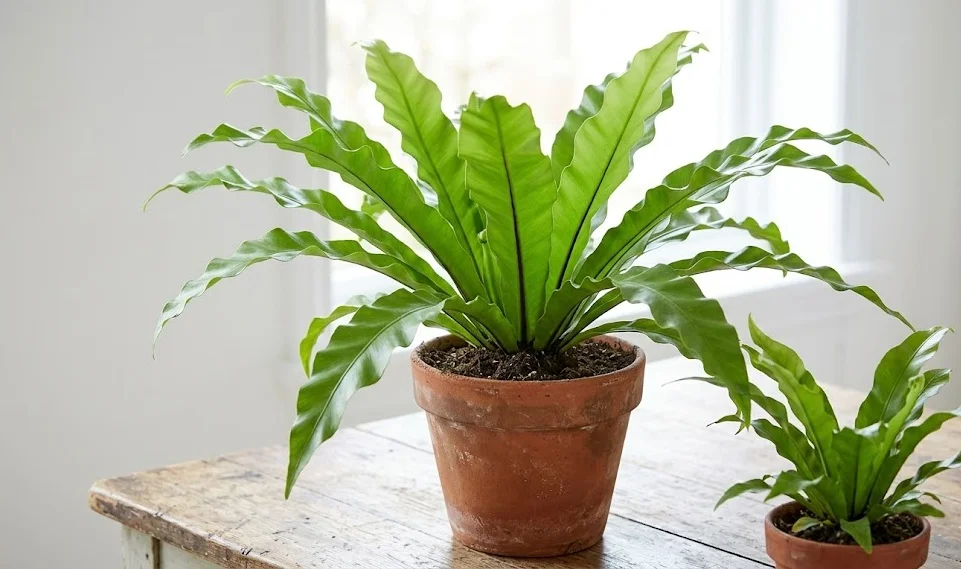

Understanding and managing the light requirements of the bird’s-nest fern is one of the most fundamental skills for any indoor gardener. In its native rainforest environment, this species lives under the dappled canopy, receiving light that has been filtered through layers of taller trees. This biological heritage means the plant is highly adapted to bright but strictly indirect light, making it a perfect candidate for many indoor spaces. Providing the correct intensity and quality of light is the primary driver of the plant’s growth, health, and the vibrant green color of its architectural fronds.
Finding the ideal light spectrum and intensity
The bird’s-nest fern thrives best when it receives a generous amount of bright, filtered light throughout the day. In a home setting, this usually translates to a location near a window that does not receive direct, midday sun. North-facing windows often provide a very consistent level of indirect light that these ferns find quite comfortable. If you place the plant near a southern or western window, you must use a sheer curtain to soften the intensity of the sun’s rays and prevent damage.
Direct sunlight is the greatest threat to the health of the foliage, as the intense energy can quickly scorch the leaves and leave permanent brown scars. The leathery texture of the fronds provides some protection, but they are not designed to withstand the heat and UV levels of direct exposure. If you see bleached patches or crispy brown areas on the leaves, it is a clear sign that the light intensity is too high. Moving the plant just a few feet back from the window can often resolve this issue and save the rest of the foliage.
While they are often marketed as “low light” plants, bird’s-nest ferns actually grow much better and maintain a more compact form when provided with brighter conditions. In truly low light, the plant will produce fronds that are thinner, longer, and less structurally sound as it reaches for any available energy. The vibrant, deep green color may also fade to a duller, more yellowish shade when the plant is struggling to photosynthesize. Aim for that “sweet spot” where the light is bright enough to cast a soft shadow but never feels hot on your skin.
The quality of light also matters, and modern homes with high-efficiency glass can sometimes block specific parts of the light spectrum that plants need. If you find your fern is not thriving despite being in a bright spot, you might consider supplementing with a full-spectrum grow light. These devices provide a balanced output that mimics natural sunlight and can be particularly helpful during the dark winter months. Providing a consistent and high-quality light source is the foundation for a professional-grade indoor gardening result.
More articles on this topic
Recognizing the signs of light imbalance
A bird’s-nest fern is very communicative when it comes to its light needs, and a professional gardener learns to read these subtle visual cues. If the plant is receiving too much light, the most obvious sign will be a yellowing or “washed out” appearance of the fronds. In extreme cases, you will see definitive burn marks that appear as dry, paper-like patches on the surface of the leaves. This is the plant’s way of telling you that its photosynthetic machinery is being overloaded and physically damaged by the sun.
On the opposite end of the spectrum, a fern that is not getting enough light will show signs of slow or stunted growth. You may notice that the new fronds are significantly smaller than the older ones or that they lack the characteristic wavy edges of a healthy specimen. The central rosette might also begin to look “stretched” or lose its tight, nest-like architecture as the leaves grow horizontally in search of light. When you see these symptoms, it is time to move the plant to a brighter location to boost its energy production.
Dust on the leaves is another factor that can create an artificial low-light situation for the plant by physically blocking the light. Even in a bright room, a thick layer of household dust can reduce the amount of energy the plant receives by a significant margin. Regularly wiping the fronds with a damp cloth ensures that every available photon can reach the chloroplasts within the leaf tissue. This simple maintenance task is often overlooked but is essential for keeping your fern in peak condition year-round.
Consistent observation over several weeks is necessary to determine if a change in location has been successful. Plants move and respond to their environment on a much slower timescale than we do, so don’t expect an immediate transformation overnight. If the new growth emerging from the center looks strong, dark green, and properly shaped, you have found the right light level. Trust the plant’s own growth patterns to guide you in creating the perfect tropical environment within your home.
More articles on this topic
Optimal window placements and orientation
When choosing a permanent spot for your bird’s-nest fern, the orientation of your windows will play a major role in your decision. An east-facing window is often an excellent choice because it provides gentle morning sun that is much cooler and less intense than the afternoon rays. This provides a natural wake-up call for the plant and allows it to perform the bulk of its photosynthesis early in the day. As the sun moves higher and becomes hotter, the plant will naturally be in the shade for the rest of the afternoon.
West-facing windows can be more challenging because the light they provide in the late afternoon is often very hot and intense. If you use a western exposure, be sure to place the fern several feet away from the glass or behind other larger plants that can act as a natural screen. The heat buildup in a west-facing room can also dry out the air quickly, so you will need to be extra vigilant with your humidity management. Providing a buffer between the plant and the harsh afternoon sun is a key professional strategy for success.
A north-facing window is perhaps the safest option for a novice gardener because it provides a very steady and reliable source of indirect light. While the growth might be slightly slower than in a brighter eastern spot, the risk of sun damage is virtually zero in a northern exposure. This orientation is perfect for maintaining the lush green color of the foliage without having to worry about constant adjustments or curtains. It creates a stable and predictable environment where the fern can steadily develop over many years.
Finally, consider the seasonal changes in how light enters your home as the angle of the sun shifts throughout the year. A spot that was perfectly shaded in the summer might receive direct, low-angle sun in the winter that could cause unexpected damage. Conversely, a bright summer location might become far too dark once the surrounding trees lose their leaves or the sun stays lower in the sky. Being prepared to move your fern once or twice a year is part of the professional care cycle for maintaining a healthy and beautiful specimen.