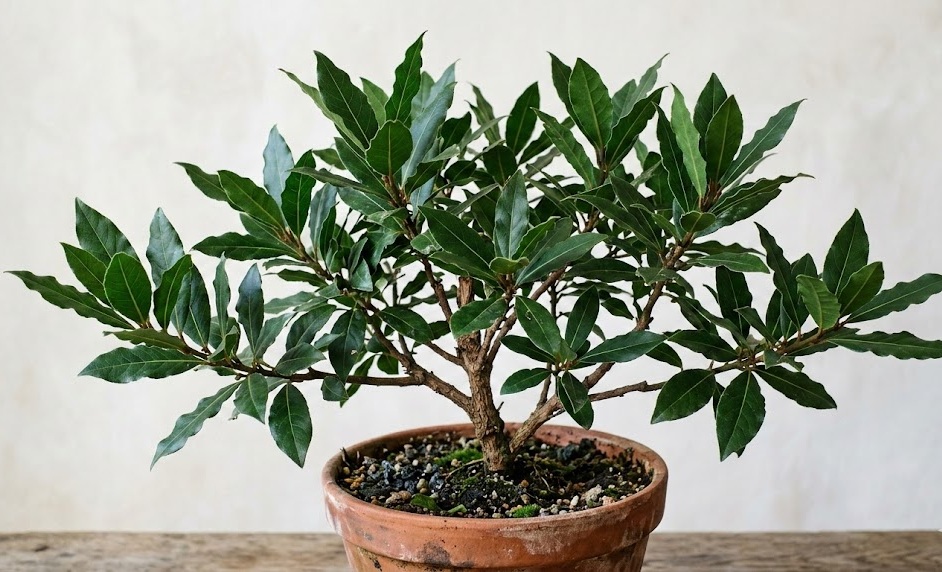

Understanding the light requirements of the bay laurel is fundamental to ensuring its long-term health and the quality of its aromatic leaves. In its native Mediterranean habitat, this evergreen shrub thrives in a variety of light conditions, ranging from full sun to dappled shade. However, to achieve the most vibrant foliage and a robust growth habit, a careful balance must be struck by the gardener. Providing the right amount of light is the most effective way to prevent the plant from becoming leggy or susceptible to pests.
Full sun is generally considered the ideal condition for a bay laurel, especially if you are growing it for culinary purposes. The intense light stimulates the production of the essential oils that give the leaves their characteristic fragrance and flavor. In a sunny position, the plant will develop a dense, compact shape that is highly prized for formal garden designs and topiary. If your goal is a thick, dark green hedge or a shapely specimen tree, a spot with at least six hours of direct light is necessary.
While the laurel loves the sun, it is also remarkably adaptable and can perform well in partial shade or filtered light. This versatility makes it an excellent choice for gardens with large trees or areas that only receive light for part of the day. In shaded conditions, the growth rate will be slower and the leaves may become slightly larger and a darker shade of green. However, avoid deep or heavy shade, as this can lead to thin, weak stems and a general lack of vigor in the plant.
When positioning your laurel, consider how the light changes throughout the seasons and how it interacts with nearby structures. A spot that is sunny in the height of summer might be in deep shade during the winter when the sun is much lower in the sky. If you are growing your laurel in a container, you have the luxury of moving it to follow the sun as the year progresses. This flexibility allows you to optimize the light exposure for the plant regardless of the time of year or the weather.
Direct sunlight and leaf quality
The intensity of the sunlight has a direct correlation with the thickness and the texture of the bay laurel’s foliage. Leaves grown in bright, direct light tend to be thicker, more leathery, and have a higher concentration of the protective cuticle layer. This makes the plant much more resilient to environmental stressors like wind and light frost during the colder months. Furthermore, the glossy shine that makes the laurel so attractive is most pronounced when the plant receives ample solar energy.
More articles on this topic
Photosynthesis is the engine that drives the growth of the laurel, and light is the primary fuel for this essential biological process. A plant that is receiving the correct amount of light will produce more energy, allowing it to grow faster and recover more quickly from pruning. This is particularly important if you are trying to establish a new plant or if you are training a young laurel into a specific shape. Without enough light, the plant will struggle to produce the necessary carbohydrates for sustained and healthy development.
In very hot climates, however, the most intense midday sun can sometimes be too much for even the sun-loving bay laurel. If you notice the leaves beginning to look scorched or turning a pale, washed-out color, it might be a sign of light stress. In these cases, providing some light shade during the hottest part of the afternoon can be highly beneficial for the plant’s overall well-being. This balance ensures that the laurel gets all the energy it needs without suffering from the damaging effects of excessive heat.
Indoor laurels face a unique set of challenges when it comes to light, as even the brightest window is much darker than the open garden. To maintain a healthy laurel inside, you must place it as close to a south-facing window as possible to maximize its exposure. Regularly rotating the pot every few weeks will ensure that all sides of the plant receive an equal amount of light, preventing it from leaning. If natural light is insufficient, supplementing with a full-spectrum grow light can make a dramatic difference in the plant’s appearance.
Partial shade and adaptability
The ability of the bay laurel to tolerate partial shade is one of its most valuable traits for the domestic gardener and landscaper. In a garden with varying light levels, the laurel can serve as a bridge between sun-loving herbs and shade-tolerant forest plants. This adaptability allows you to use it in north-facing borders or under the light canopy of deciduous trees like birches or maples. As long as the plant receives some indirect light or a few hours of morning sun, it will remain healthy and attractive.
More articles on this topic
One of the benefits of growing a laurel in partial shade is that the soil tends to stay moist for longer periods of time. This can be an advantage during dry summers, as it reduces the frequency of watering and the risk of moisture stress for the shrub. However, the trade-off is that the plant might be more susceptible to fungal issues if the air circulation is poor in the shaded area. Monitoring the foliage for signs of mildew or leaf spot is particularly important when the plant is not in full sun.
If you are transitioning a laurel from a shaded spot to a sunny one, it is vital to do so gradually to prevent leaf scorch. The plant needs time to adjust its internal chemistry and to build up the protective layers on its leaves for the more intense light. Start by moving it into the sun for just an hour or two each day, slowly increasing the duration over a period of two weeks. This professional approach to acclimation will ensure that the plant thrives in its new, brighter environment without any setback.
For those who live in urban areas with high buildings and narrow balconies, the laurel’s shade tolerance is a major benefit. It can often survive and even flourish where other Mediterranean plants like lavender or rosemary would quickly fail and die. The key is to avoid placing it in a dark corner where the light levels are consistently very low throughout the entire day. Even in an urban environment, a laurel will appreciate any reflected light from white walls or large windows nearby.
Light stress and recovery
Recognizing the signs of light stress is an important skill for any professional or serious amateur gardener caring for a bay laurel. A plant that is not receiving enough light will often become “etiolated,” which means its stems grow long, thin, and weak as they reach for the sun. The leaves will also be spaced further apart on the branches, resulting in a sparse and unattractive appearance for the whole shrub. If you see this happening, it is a clear signal that the plant needs to be moved to a much brighter location.
Conversely, too much light, especially when combined with high temperatures and low humidity, can lead to physiological damage to the foliage. Sunscald appears as bleached or brown patches on the surface of the leaves, usually on the side of the plant facing the most intense sun. This is essentially a “sunburn” for the plant and indicates that the light levels have exceeded the plant’s ability to protect itself. Providing temporary shade during heatwaves or moving the pot to a slightly more protected spot will solve this issue.
Phototropism is the natural tendency of plants to grow towards the light source, and it can affect the symmetry of your bay laurel over time. If a plant is permanently placed against a wall, it will eventually become lopsided as the side in the light grows more vigorously than the side in the shade. To maintain a balanced and professional look, you should try to provide light from as many directions as possible. In the garden, this means leaving enough space around the plant so it is not completely overshadowed by its neighbors.
Recovery from light-related stress is usually a slow process because the bay laurel is a naturally slow-growing evergreen species. Once a leaf is scorched by the sun or stunted by the shade, it will not “heal” itself, but the plant will eventually replace it with new growth. By correcting the light conditions, you are ensuring that the next generation of leaves will be healthy, strong, and perfectly adapted to their environment. Patience and careful observation are the keys to finding the “sweet spot” of light for your specific bay laurel tree.