
Sun exposure and site optimization
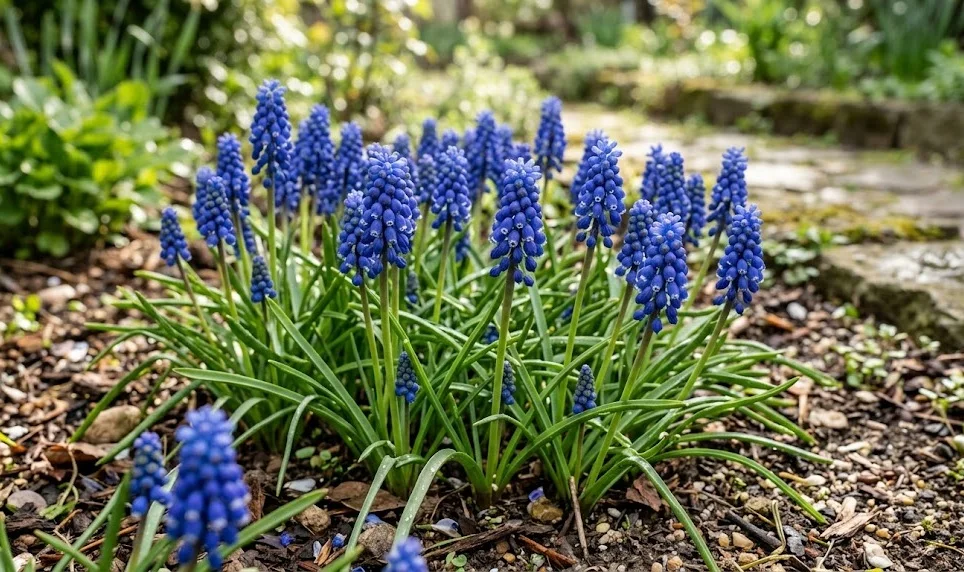
The amount of light your Armenian grape hyacinths receive is a primary driver of their growth rate and the quality of their floral display. You should aim to plant these bulbs in a location that receives full sun to partial shade, which typically means at least six hours of direct sunlight daily. In the early spring, when these plants are most active, the sun is often at a lower angle and less intense than in mid-summer. Providing ample light during this window ensures that the stems remain compact and the flower clusters are densely packed with florets.
If you plant your hyacinths in a spot that is too shaded, you may find that the stems become “leggy” as they stretch toward the available light. These weakened stems are more likely to flop over, especially after a heavy rain or in windy conditions. Furthermore, insufficient light can lead to a reduction in the number of flowers produced and a less intense blue coloration. For the most professional and high-impact look, prioritize the sunniest spots in your early spring garden for these colorful bulbs.
In warmer climates, a bit of afternoon shade can actually be beneficial for extending the life of the flowers. You should consider planting them on the eastern side of a structure or under the canopy of a deciduous tree that hasn’t yet fully leafed out. This provides the bright morning sun they need for energy while protecting the delicate blooms from the harshest rays of the day. Balancing the need for light with the reality of your local climate is a key part of expert garden planning.
You should also think about how the light levels in your garden change throughout the entire year, even when the bulbs are dormant. A location that is sunny in the spring might become very shaded once nearby trees develop their full summer foliage. This is actually an ideal situation for grape hyacinths, as they enjoy the spring sun but prefer a cooler, shaded spot during their summer rest. Choosing a site that mimics their natural woodland or meadow habitat will lead to the most sustainable and healthy results.
Managing shade and competition
While these bulbs are remarkably adaptable, deep and permanent shade is one of the few environmental factors that will cause them to fail. You should avoid planting them under evergreen trees or on the north side of tall buildings where the sun never reaches the ground. In these conditions, the bulbs will slowly deplete their energy reserves over several years until they stop flowering entirely. If you have a very shady garden, you might need to thin out overhead branches to allow more dappled light to reach the forest floor.
More articles on this topic
When planting under deciduous trees, you must be aware of the timing of the tree’s leaf emergence compared to the bulb’s flowering period. You should choose tree species that are “late leafers,” providing the bulbs with as much unobstructed sunlight as possible during the spring. The competitive relationship for light is a dynamic one that requires you to manage your landscape as a whole. Regular pruning of nearby shrubs can also help ensure that your bulb drifts aren’t being swallowed by shadows.
Groundcovers can also compete for light if they are too aggressive or grow too tall during the spring months. You should choose low-growing companions that complement the hyacinths without overshadowing them. Many gardeners find success pairing these bulbs with creeping thyme or small-leaved sedums that stay close to the earth. Managing the vertical layers of your garden ensures that every plant has the light it needs to perform its best.
If you find that an established colony is no longer flowering well due to increasing shade, don’t be afraid to move them to a sunnier location. You can lift the bulbs in the late spring after the foliage has started to fade and replant them in a better spot immediately. This proactive management of your garden’s light environment is a hallmark of a dedicated and professional grower. Adapting to the natural changes in your landscape is essential for maintaining a vibrant and healthy garden over the long term.
Light and indoor cultivation
Growing Armenian grape hyacinths indoors, often referred to as “forcing,” requires a specialized approach to light management. You should place your potted bulbs in a location that receives bright, indirect light once they have finished their cold treatment and are beginning to grow. A south-facing windowsill is often the best spot, providing the intensity needed for healthy development without the risk of overheating. You must be careful to rotate the pots regularly to ensure the stems grow straight and don’t lean toward the window.
More articles on this topic
If you don’t have enough natural light indoors, you can use artificial grow lights to supplement the needs of your plants. You should keep the lights on for about twelve to fourteen hours a day to mimic the increasing day length of early spring. Positioning the lights about fifteen to twenty centimeters above the top of the foliage prevents the plants from stretching too much. This level of control allows you to enjoy the beauty and fragrance of the flowers even in the middle of winter.
Temperature management is closely linked to light when growing bulbs indoors, as high temperatures combined with low light will lead to very poor results. You should keep your indoor hyacinths in a relatively cool room, away from heat vents or fireplaces. The combination of bright light and cool air produces the sturdiest stems and the longest-lasting flowers. This professional technique for indoor cultivation brings a welcome touch of spring to your home well before the outdoor garden awakes.
Once the indoor display has finished, you should continue to provide the foliage with as much light as possible until it naturally withers. This allows the bulb to rebuild its energy so that it can be planted out in the garden for future years. Many people treat forced bulbs as disposables, but an expert gardener knows that with proper care, they can be successfully naturalized. Respecting the light requirements of the plant at every stage of its life is the key to achieving professional results both indoors and out.