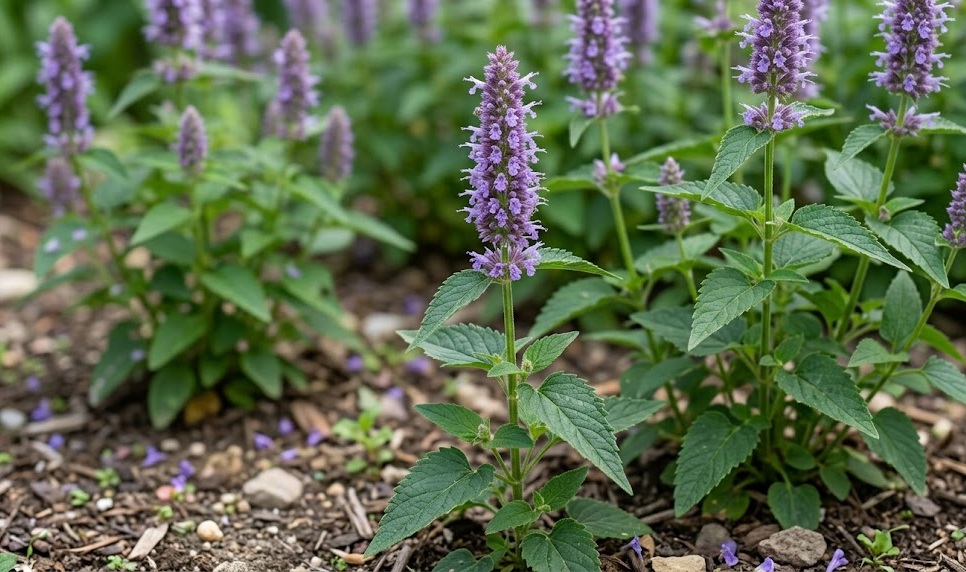

Light is the primary energy source that drives the growth, fragrance, and flowering of anise hyssop. Understanding the specific solar needs of this perennial is fundamental to placing it correctly within your landscape design. While it is known for its adaptability, its true potential is only unlocked when it receives the correct intensity and duration of sunlight. Professional horticultural practices emphasize the importance of matching the plant’s light requirements to the unique characteristics of your garden’s microclimates for optimal results.
Maximizing sunlight for oil production
The hallmark of anise hyssop is its intense licorice scent, which is produced by essential oils stored within the leaves and flowers. The synthesis of these aromatic compounds is a light-dependent process that requires significant amounts of solar energy. Plants grown in full sun—meaning at least six to eight hours of direct light daily—will always be more fragrant than those in shadier spots. If you intend to harvest the foliage for culinary or medicinal use, providing maximum sunlight is a non-negotiable requirement.
Intensity of light also affects the physical structure of the plant, helping it to develop the sturdy, upright stems for which it is known. In bright conditions, the internodes (the space between leaves on a stem) remain short, creating a dense and bushy appearance. This compact growth habit is not only more attractive but also makes the plant more resistant to wind and heavy rain. Conversely, plants that receive insufficient light will often become “leggy,” stretching toward the sun and potentially requiring artificial support to stay upright.
The timing of the light is just as important as the total number of hours it receives throughout the day. Morning sun is often considered ideal because it helps to dry off the dew quickly, reducing the risk of fungal diseases like powdery mildew. However, the intense light of the afternoon is what really drives the metabolic processes necessary for a spectacular flowering display. A location that receives a balance of both will generally produce the healthiest and most visually impressive specimens in your garden collection.
Observing the direction and movement of shadows in your garden across the seasons is a valuable skill for any professional gardener. A spot that is in full sun in June might be significantly shaded by a nearby tree or building in September as the sun’s path across the sky changes. Taking the time to map out these light patterns before planting ensures that your anise hyssop will have the resources it needs throughout its entire growing season. Successful light management is the secret behind the most vibrant and aromatic herb gardens.
More articles on this topic
Adapting to partial shade and lower light
While anise hyssop prefers full sun, it is remarkably tolerant of partial shade, particularly in regions with extremely hot summer temperatures. In these climates, a bit of protection from the intense midday sun can actually prevent the foliage from scorching or wilting excessively. Plants in partial shade—roughly four to six hours of light—will still grow and bloom, though perhaps not as prolifically as those in the open. Understanding this flexibility allows you to integrate the plant into a wider variety of garden settings and landscape designs.
The primary trade-off when growing in lower light is a potential reduction in the number and size of the flower spikes. You may also notice that the flowers have a slightly less vibrant color compared to those grown in the full intensity of the sun. However, for many gardeners, this is a small price to pay for being able to include such a versatile and pollinator-friendly plant in a shaded border. Choosing varieties specifically noted for their shade tolerance can help maximize your success in these less-than-ideal conditions.
Soil moisture management becomes even more critical when growing anise hyssop in shadier locations where evaporation is slower. The combination of lower light and damp soil can create a high-risk environment for root rot and other moisture-related issues. You should adjust your watering schedule accordingly, always checking the soil moisture level before adding more water. Ensuring excellent drainage is even more important in these areas to compensate for the reduced solar energy available to the plant.
Monitoring the plant’s “posture” can tell you a lot about whether it is happy with the amount of light it is receiving. If you notice the stems consistently leaning in one direction, it is a clear sign that the plant is seeking more light. While you can’t always move a mature plant, you can sometimes thin out nearby overhanging branches to let in more sunlight. This simple intervention can often revitalize a struggling plant and improve its overall performance and longevity in your garden.
More articles on this topic
Reflective light and urban environments
In urban gardens or areas with many hard surfaces, reflective light can play a significant role in a plant’s solar budget. Sunlight bouncing off light-colored walls or fences can increase the total amount of energy reaching a plant, sometimes effectively turning a partial shade spot into a full sun one. This extra light can be a boon for sun-loving plants like anise hyssop, provided they also have enough moisture to handle the increased heat. Understanding these subtle environmental factors is what separates the expert gardener from the casual hobbyist.
Conversely, dark surfaces can absorb heat and create localized hot spots that may stress the plant if not managed correctly. While anise hyssop is heat-tolerant, extreme conditions near a dark asphalt path or brick wall can lead to rapid moisture loss. In these situations, providing a bit of light-colored mulch can help reflect some of that energy and keep the root zone cooler. It’s all about creating a balanced microclimate where the plant can thrive despite the challenges of the built environment.
The quality of light in urban areas can also be affected by smog or high buildings that block the horizon, potentially shortening the effective day length. Gardeners in these settings must be particularly clever about how they position their plants to capture every possible ray of sunlight. Using mirrors or other reflective surfaces is a creative way some urban gardeners have managed to “import” light into darker corners of their space. While it might seem like a lot of effort, the results in terms of plant health and flower production can be truly remarkable.
Finally, remember that light requirements are not static and can be influenced by the health and age of the plant. A young transplant might need a little temporary shade as it establishes its root system, even if its ultimate destination is a full-sun border. As the plant matures and becomes more resilient, it will be better able to handle the full intensity of the solar energy it needs. Gardening is a constant process of observation and adjustment, with light being one of the most important variables in the equation.