
Understanding the specific light requirements of the American pokeweed is essential for any professional gardener who wants to see this plant truly thrive and dominate its space. This species is remarkably adaptable and can be found growing in a variety of lighting conditions in its natural habitats across North America. However, for the most dramatic growth and the best production of flowers and berries, you must aim to provide an environment that meets its preferred light levels. Proper light exposure not only affects the size of the plant but also the intensity of its colors and its overall health and resistance to disease.
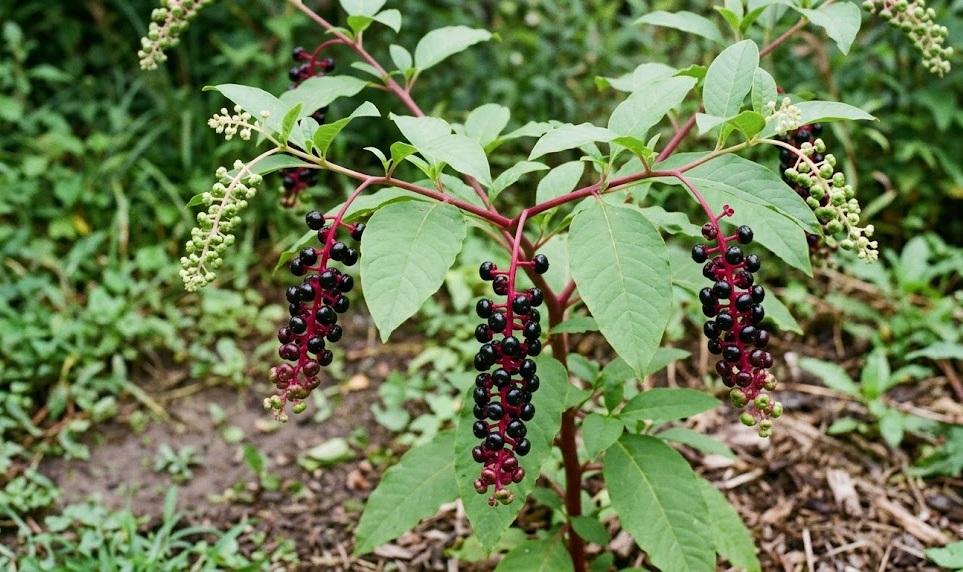
In its ideal setting, the American pokeweed prefers a location that receives full sun for the majority of the day, which translates to at least six to eight hours of direct light. When grown in full sun, the plant develops a much sturdier and more upright structure, with thicker stems that are better able to support the heavy weight of the foliage. The leaves also tend to be a more vibrant green, and the reddish-purple stems become more pronounced and decorative under the influence of strong sunlight. Maximum light exposure is the professional secret to achieving the towering ten-foot specimens that this species is famous for.
If the plant is grown in an area with too much shade, you will likely notice that it becomes “leggy” or stretched out as it reaches toward the available light. This can lead to a weaker plant that is more prone to falling over or being damaged by wind and heavy rain. In low-light conditions, the production of the characteristic dark berries may also be significantly reduced, detracting from the plant’s ornamental value in the late summer. Being mindful of the path of the sun throughout the seasons will help you choose the best permanent home for your pokeweed in the landscape.
Light also plays a critical role in the plant’s ability to dry out after a rain or heavy dew, which is a major factor in preventing fungal diseases. Sunlight helps to evaporate moisture from the surface of the large leaves, creating an environment that is less hospitable to pathogens like powdery mildew. A plant that is bathed in light for most of the day is generally a much healthier and more resilient specimen than one tucked away in a dark and damp corner. Professional site selection always takes into account these secondary benefits of proper light exposure for the long-term success of the garden.
Partial shade tolerance and adaptation
While full sun is preferred, one of the most remarkable things about the American pokeweed is its ability to adapt to partial shade environments. You will often find it growing happily along forest edges or in the dappled light beneath the canopy of large, established trees. In these settings, the plant may not reach its maximum height, but it can still be a very effective and attractive addition to the landscape. This flexibility makes it a valuable tool for gardeners who have a variety of different lighting conditions to work with on their property.
More articles on this topic
In a partial shade location, the plant typically receives about three to six hours of direct sunlight, often in the morning or late afternoon when the light is less intense. You might notice that the leaves grow slightly larger and thinner in these conditions as a way to capture as much of the limited light as possible. While the growth may be a bit slower than in full sun, the plant can still produce a beautiful display of flowers and berries if its other needs are met. This adaptability is part of what makes the pokeweed such a successful and widespread species in the wild.
When growing pokeweed in partial shade, you should be even more diligent about providing proper spacing and ensuring excellent air circulation around the plant. Because the light is less intense, the leaves will stay wet for longer after a rain, increasing the risk of moisture-related health issues. You can compensate for the lower light by being more proactive with your pruning and thinning to keep the canopy open and airy. This professional adjustment to your care routine will help the plant thrive even in less-than-ideal lighting conditions.
If the shade becomes too deep, the plant may struggle to survive or become so weak that it is no longer an asset to the garden. You should look for signs of extreme light stress, such as very pale leaves, a lack of flowers, or a complete stop in growth during the peak of the season. In these cases, it may be necessary to trim back some overhanging branches from nearby trees or consider moving the pokeweed to a brighter location. Understanding the limits of the plant’s tolerance is a key part of your role as a professional horticultural manager.
Photosynthetic efficiency and seasonal changes
The American pokeweed is a master of photosynthetic efficiency, using its massive leaf surface area to convert sunlight into the energy needed for its rapid expansion. During the long days of early summer, the plant is in a state of hyper-growth, sometimes adding several inches to its height in a single day. This incredible metabolic rate is entirely fueled by the light it receives, which is why consistent exposure is so important during this time. You can think of the leaves as solar panels that are working overtime to build the plant’s impressive structure and prepare for the reproductive phase.
More articles on this topic
As the seasons change and the angle of the sun shifts, the amount of light reaching your garden will naturally fluctuate, affecting the plant’s behavior. In the late summer and early autumn, the decreasing light levels serve as a signal for the pokeweed to begin winding down its growth and focusing on berry maturation. The colors of the stems and leaves may also change in response to the cooler temperatures and different light quality of the autumn months. Observing these natural shifts allows you to appreciate the plant’s deep connection to the rhythms of the environment and the sun.
The quality of the light, not just the quantity, can also influence the plant’s development and the intensity of its ornamental features. For example, the bright, direct light of a high-altitude garden may produce different effects than the softer, more humid light found in coastal areas. Professional gardeners often experiment with different locations to see how the unique light conditions of their specific site affect the plant’s appearance. This level of detail and curiosity is what leads to the most successful and beautiful botanical displays over the long term.
Ultimately, your goal is to provide the American pokeweed with a lighting environment that allows it to reach its full majestic potential. Whether you choose a spot in the blazing sun or a more protected area with dappled shade, your understanding of light requirements will guide your success. You should feel confident in your ability to manage the light levels in your garden to support the health and beauty of this powerful plant. Your professional expertise in site selection and light management is the foundation of a thriving and vibrant landscape.
Light and long term health
Consistent access to the right amount of light is one of the most important factors in the long-term health and longevity of your American pokeweed. A plant that is consistently stressed by a lack of light will be much more vulnerable to pests, diseases, and environmental challenges over several years. By ensuring the plant has the light it needs from the very beginning, you are making a long-term investment in its strength and resilience. This professional approach to plant health focuses on the root causes of success rather than just reacting to problems as they arise.
In a well-lit environment, the plant’s tissues are often tougher and more resistant to physical damage from wind, rain, or passing animals. The strong stems and thick leaves created by ample sunlight provide a natural defense that a shade-grown plant simply cannot match. This structural integrity is especially important for a plant that grows as large and heavy as the American pokeweed. You will find that a sun-grown specimen requires much less intervention and support from you than one grown in a darker corner of the garden.
The influence of light also extends to the root system, as the energy produced in the leaves is moved down to the taproot for storage. A plant that is performing at peak photosynthetic efficiency will build a much larger and more robust root system, ensuring its return for many years to come. This underground energy bank is the plant’s insurance policy against a particularly cold winter or a very dry summer in the future. Proper lighting is truly the fuel that powers every aspect of the pokeweed’s impressive and enduring life cycle.
By providing the optimal light conditions, you are allowing the American pokeweed to express its true nature as a powerful and beautiful giant of the garden. You should take professional pride in your ability to understand and meet the needs of such a unique and adaptable species. Your garden will be a more vibrant and interesting place because of your dedication to getting the lighting just right for every plant in your care. Light is the most fundamental gift you can give to your pokeweed, and the results will be visible for all to see.