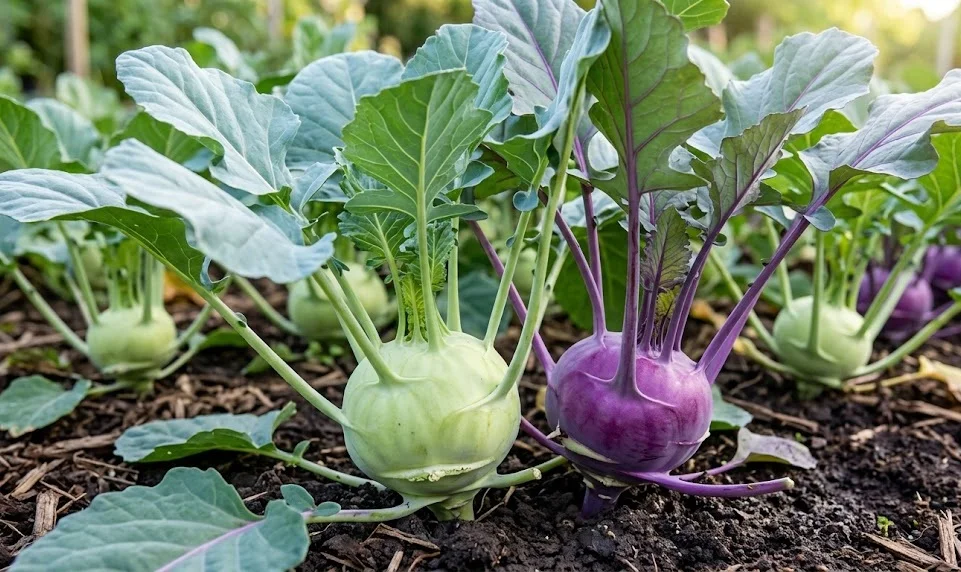

Mastering the professional techniques for pruning and cutting back your kohlrabi is a specialized skill that can significantly improve the health and appearance of your crop. You will notice that by selectively removing certain parts of the plant, you can direct its energy more efficiently and reduce the risk of pests and diseases in your garden. A professional approach to foliage management ensures that the developing bulbs receive the maximum amount of air and light needed for optimal growth. By following these professional guidelines, you can maintain a tidy and productive garden that produces superior results every season.
The primary reason for pruning kohlrabi is to remove any damaged, diseased, or yellowing leaves that could become a drain on the plant’s resources. You should regularly inspect your plants and use sharp, clean tools to make precise cuts that allow the vegetable to heal quickly and without complications. This professional maintenance not only improves the aesthetics of your garden but also serves as a vital part of your overall plant health strategy. A professional gardener understands that every leaf on the plant should be contributing to the growth and development of the edible bulb.
In addition to health-related pruning, you might also find it professional to thin out some of the lower leaves to improve air circulation around the base of the plant. This is especially important in humid climates or in densely planted rows where moisture can become trapped and lead to fungal issues. By creating a clearer space around the developing bulb, you make it much easier to monitor for pests and to apply water and fertilizer exactly where they are needed. This level of professional detail contributes to a more consistent and high-quality harvest for your kitchen or the market.
Pruning should always be done with a clear purpose and at the right time in the plant’s lifecycle to avoid causing unnecessary stress to the kohlrabi. You should avoid heavy pruning during periods of extreme heat or when the plant is already struggling with other environmental pressures in the garden. A professional approach is always balanced and informed, focusing on supporting the plant’s natural processes rather than trying to force them. Your dedication to the art of pruning will be reflected in the health, vigor, and overall quality of the kohlrabi you produce in your professional garden.
Foliage health and maintenance
Maintaining the health of your kohlrabi foliage is a professional priority because the leaves are the primary source of energy for the developing bulb. You should focus on keeping the leaves clean and free from any debris that could harbor pests or block the sunlight from reaching the green tissues. If you notice any leaves that are touching the ground, you should professionally remove them to prevent soil-borne diseases from climbing onto the plant. This simple act of hygiene can go a long way toward keeping your entire crop healthy and vibrant throughout the growing season.
More articles on this topic
When you identify a leaf that needs to be removed, you should cut it as close to the main stem as possible without damaging the delicate outer skin of the kohlrabi. You will find that a clean cut heals much faster and is less likely to attract insects or become a site for infection compared to a jagged or torn edge. A professional gardener always carries a sharp set of bypass pruners or a specialized garden knife specifically for this purpose in the vegetable patch. Keeping your tools in top condition is a mark of a professional operation and ensures that your pruning is always precise and effective.
Yellowing or spotted leaves should be removed and disposed of professionally away from your compost pile to prevent any potential diseases from recycling back into your garden. You should also check the stems of the removed leaves for any signs of internal issues that could indicate a more widespread problem in your garden beds. This proactive approach to foliage health allows you to catch and address professional agricultural challenges before they can impact your entire harvest. A professional is always learning from the material they remove and using that knowledge to improve their future gardening practices.
By managing the foliage professionally, you can also influence the speed at which your kohlrabi bulbs reach their ideal harvest size and quality. You might choose to leave more leaves on the plant if you want to encourage faster growth, or prune more heavily if you need to slow things down during a particularly warm season. This level of professional control requires experience and a deep understanding of how the plant reacts to different environmental conditions and management techniques. Your commitment to the health and maintenance of your kohlrabi foliage is a professional standard that ensures a successful and rewarding growing experience.
Improving airflow and light
One of the most professional reasons to prune your kohlrabi is to ensure that light and air can reach every part of the plant and the surrounding soil. You will find that by removing a few of the older, larger leaves that may be shading the bulb or the inner foliage, you can boost the overall health of the plant. This professional technique is especially useful as the season progresses and the plants begin to fill in the space between your rows in the garden. Improved light penetration helps to keep the entire plant actively photosynthesizing and contributes to a more uniform and high-quality bulb development.
More articles on this topic
Airflow is just as critical as light for preventing the professional problems associated with high humidity and stagnant air in the vegetable garden. You should aim to create a microclimate where the wind can move freely through the foliage, quickly drying any moisture from dew or rain on the leaves. This reduces the pressure from fungal spores and bacteria that thrive in damp, enclosed environments where the air is still and heavy. A professional approach to pruning for airflow is a key part of an integrated pest and disease management strategy that relies on prevention over intervention.
You should also consider how the removal of certain leaves can make your regular gardening tasks, such as weeding and fertilizing, much more professional and efficient. With a clearer view of the base of the plant, you can apply your inputs more accurately and spot any emerging issues with the soil or the root zone. This professional accessibility is one of the many benefits of a well-maintained and properly pruned kohlrabi crop in any agricultural setting. A professional garden is not just productive, it is also designed to be managed with ease and precision throughout the year.
The best time to perform this type of professional thinning is during the mid-morning after any dew has dried but before the full heat of the day has arrived. You will find that the plants are more resilient during this window and the cuts will have the entire day to begin the healing process in the sunlight. You should always be careful not to remove more than about twenty percent of the total foliage at any one time to avoid shocking the plant and slowing its growth. A professional approach is always measured and focuses on the long-term well-being and productivity of the kohlrabi crop.
Tools and technical precision
Using the correct tools is essential for performing professional pruning and cutting back in your kohlrabi garden without causing unnecessary damage. You should choose high-quality bypass pruners or a sharp garden knife that can make clean, effortless cuts through the succulent stems of the leaves. Avoiding anvil-style pruners is a professional rule, as they tend to crush the tissue rather than cutting it, which can lead to slow healing and increased disease risk. Your tools are an extension of your professional skills, and investing in the best equipment will pay off in the health and quality of your vegetables.
Cleaning and disinfecting your tools between plants is a professional practice that prevents the accidental spread of pathogens from one part of your garden to another. You can use a simple solution of rubbing alcohol or a specialized garden disinfectant to wipe down your blades after each use in the vegetable patch. This level of professional hygiene is especially important if you are removing diseased material or working in a densely planted area where the risk of infection is higher. A professional gardener takes these extra steps because they understand that prevention is the most effective way to manage garden health.
Sharpening your blades regularly is another professional maintenance task that ensures your pruning remains precise and effective throughout the entire growing season. A dull tool requires more force and is more likely to slip or cause a jagged cut that is difficult for the plant to heal professionally. You should learn how to properly sharpen your specific tools or take them to a professional service to ensure they are always in top condition for your gardening work. Your commitment to the maintenance of your equipment is a reflection of your professional standards and your dedication to excellence in your agricultural efforts.
Finally, always handle the kohlrabi plants gently during the pruning process to avoid bruising the outer skin of the developing bulbs or snapping the remaining leaves. You should hold the stem of the leaf you are removing firmly and make your cut in a single, professional motion that minimizes the disturbance to the rest of the plant. This level of technical precision is what separates the professional grower from the casual hobbyist and leads to a more uniform and high-quality harvest. Your focus on the details of the pruning process will ensure that your kohlrabi remains a healthy and beautiful part of your garden until it is time to harvest.