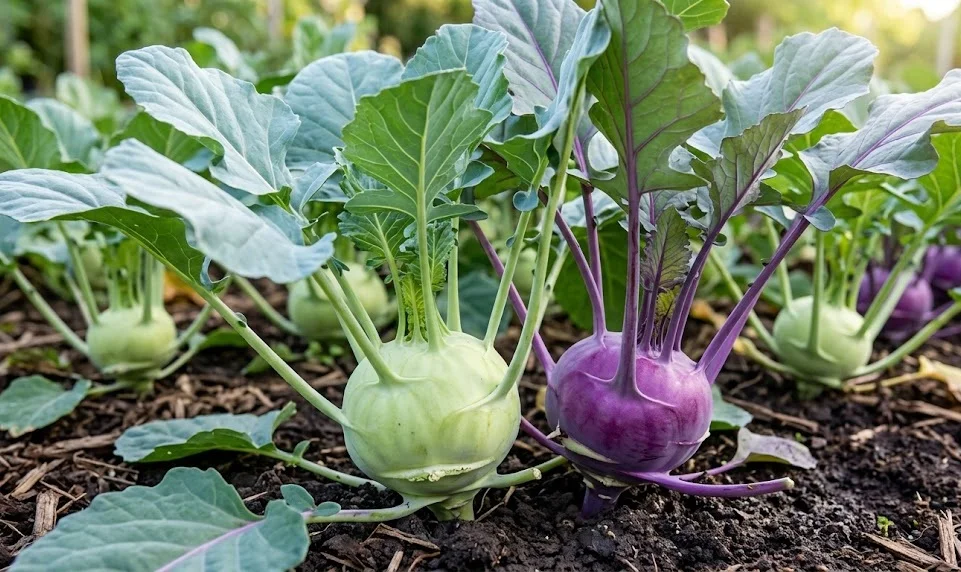

Proper management of your kohlrabi crop begins with a deep understanding of the specific environmental conditions required for optimal bulb development. You must observe the plants daily to ensure that they are reacting well to the local climate and soil structure in your garden. Providing a stable foundation allows the vegetable to focus its energy on producing a tender and crisp texture that consumers highly value. It is essential to treat every stage of the growing cycle with professional precision and care for the best results.
Monitoring the health of the foliage is a primary task that you should never overlook during the intensive growing season. Healthy leaves are a clear indicator that the root system is successfully absorbing the necessary minerals from the surrounding earth. You will notice that any discoloration or wilting often precedes more significant issues with the edible part of the plant. Maintaining a clean and organized garden bed reduces the risk of accidental damage to the delicate stems during your routine inspections.
The structure of the soil plays a vital role in determining how well the moisture is retained around the sensitive root zones. You should aim for a loamy consistency that allows for adequate drainage while preventing the soil from drying out too quickly in the heat. Incorporating organic matter such as well-rotted compost will enhance the overall quality and life within your growing medium. Professional growers often test their soil levels before each planting season to make adjustments based on scientific data and observations.
Seasonal transitions require you to be proactive in your approach to protecting the plants from sudden changes in weather patterns. You must be prepared to provide extra shelter if the temperatures drop below the ideal range for consistent growth and development. Consistent conditions are the secret to preventing the bulbs from becoming woody or unpleasantly tough before they reach maturity. By staying ahead of the weather, you can maintain a steady growth rate that ensures a high-quality harvest for your kitchen.
Soil nutrient management
Providing the right balance of nutrients is critical for the rapid growth that characterizes high-quality kohlrabi production in professional settings. You should focus on nitrogen-rich amendments that support the expansion of the large leaves required for efficient photosynthesis and energy storage. It is professional practice to apply these fertilizers in stages rather than all at once to avoid overwhelming the young plants. Observing the growth rate will tell you exactly when the next application is needed to sustain the momentum of development.
More articles on this topic
Micronutrients are just as important as the primary elements in creating a robust and resilient plant that can withstand various stresses. You might consider using seaweed extracts or specialized mineral blends to fill any gaps in the nutritional profile of your garden soil. These additions often improve the overall flavor profile of the vegetable and enhance its natural resistance to environmental pressures. Regularly rotating your crops will also help to prevent the depletion of specific minerals and maintain a healthy ecosystem in your beds.
Watering should be integrated with your fertilization schedule to ensure that the nutrients are carried directly to the root system efficiently. You will find that keeping the soil consistently moist helps the plant to process the added fertilizers without experiencing any burning or salt buildup. Avoid over-watering, as this can lead to nutrient leaching and may cause the roots to suffer from a lack of oxygen. Balancing these factors requires a professional eye and a commitment to maintaining a strictly controlled irrigation routine.
You can also use organic mulches to slowly release nutrients into the ground over a long period while simultaneously protecting the soil structure. Materials like straw or chopped leaves provide a natural barrier that regulates the temperature and prevents the evaporation of critical surface moisture. As these materials decompose, they invite beneficial organisms into the soil that help to break down minerals into accessible forms. This holistic approach to nutrition creates a self-sustaining environment that benefits your kohlrabi and the future crops you plan to grow.
Climate and temperature control
Kohlrabi thrives in cool weather and you should time your planting to avoid the extreme heat of the mid-summer months whenever possible. High temperatures often cause the plant to bolt or produce bulbs that are uncomfortably fibrous and lacking in their signature sweetness. You can use shade cloths to lower the immediate temperature around the plants if an unexpected heatwave occurs during the growing cycle. Professional growers in warmer regions often utilize early spring or late autumn windows to capture the best environmental conditions.
More articles on this topic
The ideal range for growth typically falls between fifteen and twenty degrees Celsius during the daytime hours for most common varieties. You will observe the most rapid development when the nights remain cool but do not drop below the point of causing frost damage. Cold frames or high tunnels are excellent tools for extending your growing season and protecting the crop from early spring chills. Maintaining this temperature window ensures that the expansion of the bulb remains even and prevents any internal cracking or splitting.
Humidity also plays a role in the health of the plant and you should ensure there is enough air circulation between your rows. Excessive moisture trapped in the foliage can lead to the development of mold or other fungal issues that are difficult to treat later. You might find that spacing your plants slightly further apart helps to manage the microclimate within the garden bed more effectively. A professional setup always accounts for the movement of air to keep the leaves dry and the environment refreshed.
As the season comes to an end, you must watch the forecasts closely to determine the best time for your final harvest. While the plant can handle light frosts, a deep freeze may damage the outer skin and compromise the storage life of the vegetable. You can temporarily protect your crop with heavy blankets or row covers if you are not quite ready to bring them indoors. Making these small adjustments allows you to maximize your yield and ensure that every bulb reaches its full potential.
Effective mulching strategies
Applying a thick layer of mulch around the base of your plants is one of the most effective ways to maintain consistent moisture levels. You will find that a well-mulched bed requires significantly less manual watering even during the drier periods of the growing season. This practice also helps to suppress the growth of weeds that would otherwise compete with your kohlrabi for valuable resources. Professional gardeners prefer using organic materials that eventually break down and improve the overall soil quality over time.
Straw is a popular choice for mulching because it is easy to handle and provides excellent insulation for the soil surface. You should ensure that the straw is free from seeds to avoid introducing new weed problems into your carefully managed agricultural space. Spread the material evenly and keep it a few centimeters away from the actual stem of the kohlrabi to prevent rot. This layer acts as a cushion that prevents soil compaction from heavy rains and keeps the developing bulbs clean.
Wood chips or shredded bark can also be used in more permanent garden structures to provide a long-lasting barrier against moisture loss. You will notice that these materials stay in place better than lighter options during windy weather or intense rainstorms. They are particularly useful for maintaining a professional appearance in your garden while performing a vital functional role for the plants. As the wood decomposes, it fosters a diverse fungal community that contributes to the long-term health of your garden ecosystem.
Living mulches, such as low-growing cover crops, offer another professional alternative for protecting the soil around your main vegetable rows. You can sow clover or other beneficial species that fix nitrogen and provide a green carpet that shields the earth from the sun. This method requires more management to ensure the cover crop does not overtake the kohlrabi, but the benefits are substantial. You will enjoy a more biodiverse garden that supports beneficial insects and improves the overall resilience of your agricultural production.
Weed suppression methods
Keeping your garden beds free from competing vegetation is essential for ensuring that your kohlrabi receives all the nutrients it needs. You should start your weeding efforts early in the season before the unwanted plants have a chance to establish deep root systems. Small weeds are much easier to remove by hand without disturbing the shallow roots of your developing vegetable crop. A clean environment allows you to spot other issues, such as pests or diseases, much more quickly than in a cluttered garden.
Manual hoeing is an effective professional technique for managing weeds in the spaces between your established rows of vegetables. You should use a sharp tool to cut the weeds just below the surface of the soil during a dry afternoon. This method prevents the weeds from regrowing and leaves their remains to dry out and decompose naturally on the surface. Be careful not to go too deep near the kohlrabi bulbs to avoid any accidental mechanical damage to the plant.
Flame weeding is a specialized technique that some professional growers use to clear beds before the kohlrabi seeds have even germinated. You can use a propane torch to quickly pass over the soil and kill any small weed seedlings that have emerged recently. This method is highly efficient for large areas and avoids the need for chemical interventions in your organic growing space. It requires careful handling and the right weather conditions to be performed safely and effectively in a residential or commercial garden.
Covering the soil with landscape fabric or reusable plastic sheets is another professional way to block weed growth in your vegetable patches. You can cut small holes in the material specifically for your kohlrabi plants while keeping the rest of the ground completely covered. This barrier prevents light from reaching the weed seeds and significantly reduces the amount of maintenance required throughout the year. It is a practical solution for those who want to maximize their harvest while minimizing the time spent on manual labor.
Harvesting and quality control
Knowing exactly when to harvest your kohlrabi is the difference between a gourmet vegetable and a tough, inedible bulb. You should generally aim to pick the bulbs when they are between five and eight centimeters in diameter for the best flavor. At this size, the texture is crisp and the sweetness is at its peak, making it perfect for both raw and cooked applications. Waiting too long will result in a woody core that is difficult to peel and lacks the professional quality you desire.
The process of harvesting should be done with a sharp knife to ensure a clean cut at the base of the plant. You should hold the bulb firmly and cut through the stem just above the ground level to avoid bruising the outer skin. It is best to perform this task in the cool of the morning when the plant is fully hydrated and at its firmest. Handling the crop gently during this stage preserves its visual appeal and extends its potential shelf life after you bring it indoors.
Once the bulbs are removed from the garden, you should trim the larger leaves while leaving a few small ones at the top. These remaining leaves help to keep the vegetable fresh and indicate to the consumer that the product is recently harvested. You can use the trimmed leaves in salads or stir-frys, as they are highly nutritious and have a flavor similar to collard greens. A professional approach to processing the harvest ensures that no part of the plant goes to waste in your kitchen.
Inspect each bulb carefully for any signs of insect damage or soft spots before moving them into your storage area or kitchen. You will find that only the highest quality specimens should be kept for long-term storage in a cool, dark environment. Any damaged bulbs should be used immediately to prevent the spread of rot or other issues to the rest of the harvest. Consistent quality control is the final step in a professional growing cycle that focuses on excellence from seed to table.
Post-harvest handling
Proper storage is essential for maintaining the crispness and nutritional value of your kohlrabi long after the growing season has ended. You should place the cleaned bulbs in a perforated plastic bag to maintain a high level of humidity around the vegetable. Storing them in the crisper drawer of your refrigerator will keep them in excellent condition for several weeks at a time. Professional growers often use root cellars or specialized cold storage facilities to keep larger harvests fresh throughout the winter months.
If you plan to store the kohlrabi for an extended period, you might consider removing all the leaves to prevent moisture loss through the foliage. The bulb itself is quite hardy and can withstand cold temperatures as long as it does not freeze and thaw repeatedly. You should regularly check your stored vegetables and remove any that show signs of shriveling or decay to protect the remaining crop. Maintaining a consistent temperature just above freezing is the ideal professional standard for long-term preservation of root and stem vegetables.
Freezing is another professional option for preserving your kohlrabi if you have a larger harvest than you can consume fresh. You should peel the bulbs and cut them into uniform cubes or slices before blanching them in boiling water for a few minutes. Cooling them quickly in an ice bath stops the cooking process and helps to preserve the color and texture of the vegetable. Once dried and packed into airtight containers, the kohlrabi will remain delicious and ready for use in soups or stews for many months.
For those who enjoy a more traditional approach, pickling kohlrabi is a professional way to create a unique and flavorful pantry staple. You can slice the bulbs thinly and preserve them in a brine of vinegar, salt, and various aromatic spices and herbs. This method not only extends the shelf life but also transforms the flavor profile into something completely new and exciting for your meals. A professional kitchen always looks for creative ways to utilize the full harvest and provide variety throughout the entire year.