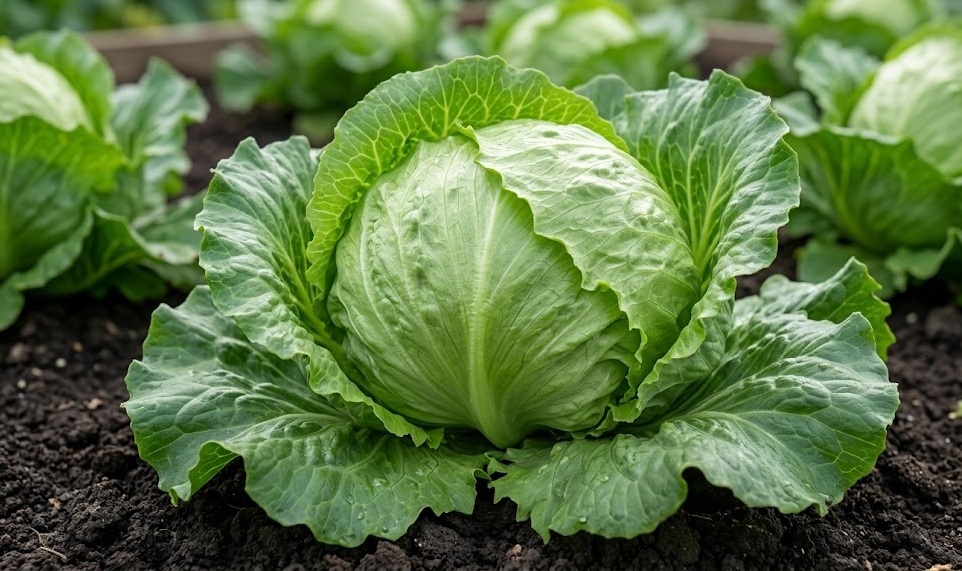

Pruning and cutting back are not typically associated with lettuce as they are with perennial shrubs, but they are essential techniques for professional crop management. You must understand how to selectively remove foliage to improve plant health, prevent disease, and ensure a high-quality final harvest. These practices are about refining the growth of the plant rather than drastically changing its shape. This article details the professional methods for thinning, cleaning, and managing the foliage of iceberg lettuce throughout its life cycle.
Thinning is the most common form of “pruning” used in lettuce production, particularly when the seeds are direct-sown into the garden bed. You must ensure that each plant has enough space to expand without being crowded by its neighbors, which is vital for the development of a solid head. If you leave the seedlings too close together, they will compete for light and nutrients, resulting in small, stunted, or misshapen heads. Removing the extra plants early in their growth allows the remaining individuals to reach their full potential.
Cleaning the plant involves removing the older, lower leaves that naturally begin to yellow or decay as the head matures. You should perform this task regularly to maintain good air circulation at the base of the plant where rot is most likely to start. These outer leaves often touch the damp soil, creating a bridge for soil-borne pathogens and pests like slugs to reach the heart of the lettuce. Keeping the plant “clean” is a simple but effective professional habit that significantly reduces the risk of crop loss.
Physical damage from wind, hail, or passing equipment can leave the outer leaves of your lettuce torn or bruised. You should prune away these damaged sections to prevent them from becoming entry points for bacterial and fungal infections. Removing compromised tissue allows the plant to focus its energy on healthy growth rather than trying to repair or sustain damaged leaves. A professional-looking crop is not just about aesthetics; it is a sign of a healthy and well-managed agricultural system.
Thinning procedures and spacing
The first round of thinning should happen when the seedlings are about two inches tall and have developed their first true leaves. You should use a pair of clean scissors or your fingers to remove the smaller or weaker plants, leaving the strongest ones behind. It is often better to cut the seedlings at the soil line rather than pulling them out to avoid disturbing the roots of the plants you want to keep. This initial thinning sets the stage for the rest of the growing season by providing the necessary room for root and leaf expansion.
More articles on this topic
A second thinning may be necessary a few weeks later if the plants still appear crowded as they begin to grow more rapidly. You should aim for a final spacing of about twelve inches between each iceberg lettuce plant in the row. At this stage, the plants you remove are often large enough to be used as tender “baby greens” in the kitchen, providing an early taste of your harvest. Professional spacing ensures that each head has the light and air it needs to become dense and heavy by the time it reaches maturity.
Monitoring the canopy as it closes is the best way to determine if your thinning was successful or if more space is needed. You should be able to see the soil between the plants until they are about halfway through their heading stage. If the leaves from adjacent plants are overlapping too early, the interior of the patch will become a humid, stagnant environment. Adjusting your spacing in future plantings based on these observations is how you refine your skills as a professional gardener.
Using a systematic approach to thinning ensures that you don’t miss any areas and that the spacing remains consistent across the entire plot. You might use a measuring stick or a pre-marked tool to check the distance between the plants as you work through the rows. Consistency is key to producing a uniform crop that can be harvested all at once or in predictable stages. Taking the time to thin properly is one of the best investments you can make in the eventual quality of your iceberg lettuce.
Removing damaged and decaying foliage
Lower leaf removal should be done with care to avoid wounding the main stem of the iceberg lettuce plant. You should gently pull the leaf downward and away from the stem until it snaps off cleanly at the base. If the leaf does not come away easily, using a small, sharp knife can ensure a clean cut that heals quickly. This practice is especially important after periods of heavy rain or when you notice the first signs of bottom rot in your lettuce patch.
More articles on this topic
Pruning during the heading phase requires a delicate touch to avoid disturbing the tight overlapping leaves that form the center. You should only remove the outermost leaves that are clearly diseased, damaged, or interfering with the growth of the head. Removing too many leaves can reduce the plant’s ability to photosynthesize and may slow down the development of the dense core. The goal is to support the plant’s natural heading process by removing obstacles and potential sources of infection.
Disposing of the pruned leaves is an important part of garden hygiene that helps prevent the spread of pests and diseases. You should move the discarded foliage away from the growing area and ideally into a hot compost pile where pathogens will be destroyed. Leaving piles of damp, decaying lettuce leaves near your healthy plants is an invitation for slugs, snails, and various fungal spores. Professional sanitation practices are just as important as the actual pruning techniques themselves.
Inspecting your plants for “tip burn” is a professional task that involves looking at the edges of the inner leaves for browning or necrosis. While you cannot “prune” out internal tip burn, seeing it on the outer edges is a signal that your watering or calcium management needs adjustment. If only a few outer leaves are affected, they can be removed to improve the appearance and health of the head. Understanding these visual cues allows you to react quickly to the needs of your iceberg lettuce crop.
Post-harvest maintenance and preparation
After the final harvest, the work of pruning and cleaning the garden site continues to prepare for the next crop. You should remove all the remaining stems and roots from the soil to prevent them from rotting in place and harboring pests. This “cutting back” of the entire patch is the final step in the seasonal cycle and is essential for maintaining long-term soil health. A clean, empty bed is ready for a cover crop or the next round of vegetables in your rotation.
If you are harvesting “cut and come again” style with other lettuce varieties, the technique is very different, but for iceberg, it is usually a one-time harvest. However, you can sometimes get a small second flush of growth if you leave the base of the plant in the ground and the weather remains cool. You would prune back the remaining stem to a clean surface and keep it watered, though these secondary shoots will not form a true head. This is more of a home garden trick than a professional agricultural practice for iceberg varieties.
Refining your pruning tools and techniques over time will make the process faster and more effective each season. You should always keep your shears sharp and clean to prevent tearing the plant tissue or spreading diseases between plants. Many professional gardeners carry a small container of disinfectant to dip their tools in as they move from one section of the garden to another. Small details like these are what separate a casual grower from a true expert in the field of horticulture.
The ultimate aim of pruning and cutting back iceberg lettuce is to ensure that every resource is directed toward producing a perfect, healthy head. By managing the foliage, you are acting as a steward of the plant’s health, protecting it from the challenges of its environment. Each cut should be made with a specific purpose, whether it is for air circulation, disease prevention, or final quality control. A disciplined approach to foliage management is a hallmark of excellence in the professional cultivation of iceberg lettuce.