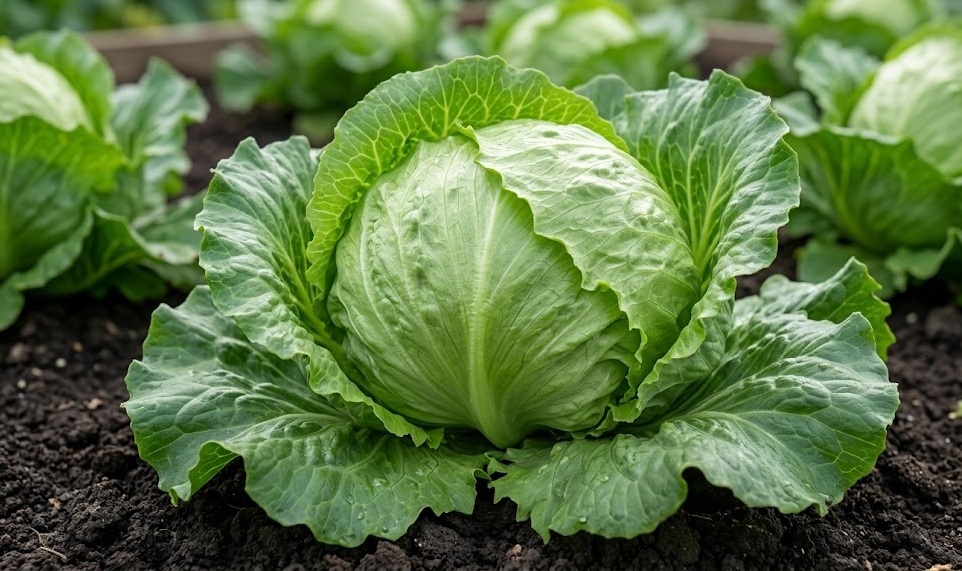

Overwintering iceberg lettuce is an advanced technique that allows professional and dedicated home gardeners to enjoy a harvest during the coldest months. You must understand the specific cold tolerance of your chosen variety and the protective measures required to keep the plants alive through frost and snow. While iceberg lettuce is often thought of as a spring or fall crop, with the right strategy, it can be grown year-round in many climates. This article explores the methods and materials needed to successfully manage a winter lettuce crop.
The primary challenge of overwintering is the physiological stress placed on the plant by freezing temperatures and limited light. You should select varieties specifically bred for winter production, as they often have thicker leaves and a higher sugar content that acts as a natural antifreeze. Planting should be timed so that the lettuce reaches a semi-mature stage before the first hard freeze arrives in your area. This established root system provides the energy needed for the plant to survive dormancy and resume growth in early spring.
Site selection for winter crops is even more critical than for summer plantings due to the low angle of the sun. You should choose a spot that receives the maximum amount of winter sunlight possible, typically a south-facing slope or a location clear of shadows from buildings. Wind protection is also essential, as cold winter winds can rapidly dehydrate the leaves and cause severe freezer burn. A well-protected, sunny location can be several degrees warmer than the rest of your garden, making a huge difference for plant survival.
Soil preparation for winter involves ensuring that drainage is absolutely perfect, as wet, cold soil is a death sentence for lettuce roots. You might consider using raised beds to keep the plants above the saturated ground level during winter rains and snowmelt. Adding extra compost can help the soil absorb more heat from the sun and provide a slow release of nutrients throughout the dormant period. A healthy, well-drained soil base is the foundation of any successful overwintering strategy for leafy greens.
Protective structures and row covers
Row covers are the most common and effective tool for protecting iceberg lettuce from the direct impact of frost and light freezes. You can use lightweight spun-bonded fabrics that allow light and water to pass through while trapping a layer of warmer air near the ground. For more extreme cold, a heavier grade of fabric or a double layer may be necessary to provide the required thermal insulation. These covers should be securely anchored to the ground to prevent them from blowing away during winter storms.
More articles on this topic
Cold frames are mini-greenhouses that offer a more permanent and robust solution for overwintering high-value crops like iceberg lettuce. You can build these structures using wood or masonry sides and a transparent top made of glass or heavy-duty plastic. The top, or “light,” can be opened on sunny days to prevent overheating and closed at night to seal in the accumulated warmth. A well-managed cold frame can keep the temperature inside significantly higher than the ambient air outside, allowing for continued growth.
High tunnels or hoop houses are professional-scale structures that provide a large volume of protected growing space for winter vegetables. You can walk inside these structures to perform maintenance, which is a major advantage during periods of inclement weather. The large volume of air inside a high tunnel acts as a thermal buffer, cooling down and heating up more slowly than smaller structures. This stability is excellent for the consistent development of iceberg lettuce heads during the fluctuating temperatures of late winter.
Mulching the soil around your winter lettuce can provide an extra layer of protection for the shallow root system. You should use a thick layer of straw or shredded leaves, but be careful not to cover the crown of the plant where rot can easily start. This mulch acts as insulation, preventing the soil from freezing and thawing repeatedly, which can heave the plants out of the ground. In very cold regions, a combination of soil mulch and overhead covers provides the best chance for total crop survival.
Managing moisture and ventilation in winter
Watering requirements change significantly during the winter months, but you must still ensure that the plants do not dry out completely. You should water only during the warmest part of a sunny day to allow the foliage to dry before temperatures drop at night. The soil should be kept damp but never soggy, as excess moisture in cold conditions leads to root rot and fungal issues. Drip irrigation is still preferred, but you must ensure the lines are drained or protected from freezing if they are above ground.
More articles on this topic
Ventilation is a critical aspect of managing any protective structure during the winter to prevent the buildup of excessive humidity. You should open your cold frames or tunnel doors slightly on sunny days to allow fresh air to circulate and remove stagnant, moist air. High humidity inside a closed structure is the perfect breeding ground for gray mold and other winter diseases that can quickly destroy your crop. Professional management requires a daily commitment to adjusting ventilation based on the current weather conditions.
Monitoring the internal temperature of your protective structures is the only way to ensure your lettuce is neither freezing nor cooking. You can use a maximum-minimum thermometer to see how cold it gets at night and how warm it gets during the peak of the day. If temperatures consistently rise above 60 degrees Fahrenheit inside, you must increase ventilation to prevent the lettuce from bolting prematurely. Conversely, if it drops too low, you may need to add supplemental heat or extra layers of insulation for the night.
Snow can act as a natural insulator, but it also poses a risk of physical damage if it accumulates too heavily on your protective covers. You should gently brush off heavy snow from row covers or hoop houses to prevent the structure from collapsing under the weight. However, a light layer of snow on the ground can actually help keep the soil temperature stable and protect the roots from deep freezes. Understanding the dual nature of snow is part of the professional expertise required for successful winter gardening.
Transitioning to spring and harvesting
As the days begin to lengthen and the sun grows stronger, your overwintered iceberg lettuce will begin to grow more rapidly. You should gradually remove the protective covers during the day to acclimate the plants to the increasing light intensity and fresh air. This transition period is a delicate time, as the plants are tender and can be easily stressed by sudden changes in their environment. Proper timing during this phase ensures that the lettuce continues to develop high-quality, dense heads as the main growing season begins.
Fertilization in early spring can provide the necessary nutrients for the final push toward maturity and harvest. You should apply a balanced liquid fertilizer once the soil has warmed up enough for the roots to actively absorb nutrients again. Avoid over-applying nitrogen too early, as this can lead to weak growth that is susceptible to late spring frosts or pests. A gentle boost of nutrition is usually all that is needed to see the crop through to a successful conclusion.
Harvesting overwintered lettuce often occurs much earlier than spring-planted crops, providing a valuable early-season product. You should follow the same professional standards for harvesting as you would in the summer, focusing on head density and crispness. The flavor of winter-grown lettuce is often exceptionally sweet because the cold temperatures encourage the plant to convert starches into sugars. These premium heads are a testament to the skill and patience required to manage a crop through the winter months.
Reflecting on your winter successes and challenges allows you to refine your strategy for the following year. You should take notes on which varieties performed best and which protective methods were most effective in your specific microclimate. Winter gardening is a continuous learning process that rewards those who are willing to observe and adapt to the cycles of nature. With each passing year, your ability to provide fresh, crisp iceberg lettuce in the dead of winter will only improve.