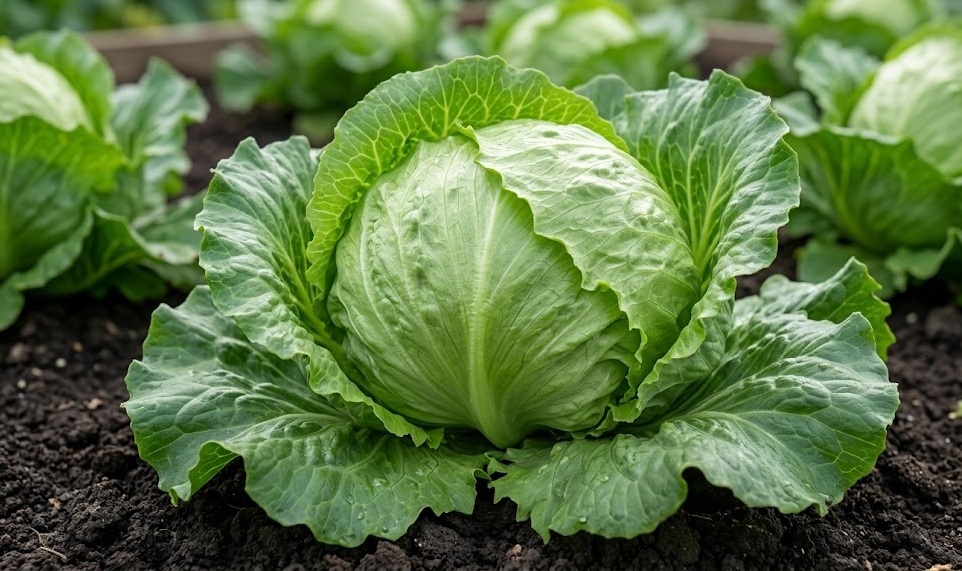

Light is the primary driver of growth and development for iceberg lettuce, influencing everything from leaf color to head density. You must understand how to manage light exposure to ensure that the plants receive enough energy for photosynthesis without suffering from heat stress. This professional overview details the specific light needs of iceberg lettuce and how to manipulate the environment for optimal results. Achieving the perfect balance of light is essential for producing the high-quality heads that define this popular variety.
Iceberg lettuce is traditionally classified as a full-sun crop, meaning it requires at least six to eight hours of direct sunlight per day for the best growth. You will find that plants grown in low-light conditions often become leggy, with loose, elongated leaves that fail to form a solid head. Adequate light provides the energy needed to build the thick, crisp cell walls that give iceberg lettuce its characteristic crunch. Professional growers prioritize site selection to ensure that the crop is not shaded by nearby trees or structures during the peak growing hours.
However, the intensity of the light is just as important as the duration, especially as the temperatures begin to rise in late spring or summer. You must be aware that high light intensity is often accompanied by high heat, which can cause the lettuce to wilt or bolt. In regions with very strong sun, providing some dappled shade during the hottest part of the afternoon can actually improve the quality of the harvest. Balancing the need for energy with the need for cooling is one of the most subtle skills in professional lettuce production.
The quality of the light, specifically the spectrum of colors reaching the plant, also plays a role in its physiological development. Blue light is particularly important for promoting compact, leafy growth, while red light can influence the timing of flowering and bolting. Professional greenhouse growers often use supplemental lighting with specific spectral outputs to fine-tune the growth of their lettuce crops. Understanding these underlying biological processes allows you to make more informed decisions about how to manage light in your own garden or farm.
Managing sun exposure and shade
Orientation of your planting rows can significantly impact how much light each individual plant receives throughout the day. You should ideally align your rows in a north-south direction to ensure that the sun passes over the plants, providing even exposure to both sides. This arrangement prevents the plants in one row from shading those in the next, which is vital for maintaining uniform head size across the entire field. Proper row orientation is a simple but effective professional technique for maximizing the use of available sunlight.
More articles on this topic
Using shade cloths is a highly effective way to manage light intensity during the peak of summer or in naturally hot climates. You can select cloths with different “shade percentages,” which block a specific portion of the sun’s rays while allowing the rest to pass through. A 30% to 50% shade cloth is often ideal for lettuce, as it provides enough cooling to prevent stress without starving the plant of energy. These cloths can be mounted on simple frames above the rows, creating a more temperate microclimate for the developing heads.
Intercropping is another professional strategy where you use taller plants to provide natural shade for your iceberg lettuce. You might plant lettuce on the north side of rows of tomatoes, corn, or pole beans that will block the harshest afternoon sun. This ecological approach not only manages light but also makes more efficient use of your garden space and can help with pest management. The key is to ensure that the shading is not too dense, as the lettuce still needs a significant amount of light to form its heads.
Reflective mulches can be used in certain situations to increase the amount of light reaching the lower leaves and the interior of the plant canopy. You can use specialized silver or white plastic films that bounce sunlight back up into the foliage from the ground. This technique can improve the growth rate and color of the lettuce, especially in areas with frequent cloud cover or shorter days. It also has the added benefit of confusing certain pests, like aphids, making it a multi-functional tool in the professional gardener’s toolkit.
Seasonal light shifts and photoperiodism
Understanding the changing angle and duration of the sun across the seasons is essential for planning your planting and harvest dates. You will notice that lettuce grown in the shorter days of early spring or late fall grows more slowly than that grown in the peak of summer. You must adjust your expectations for maturity times based on the available light energy in your region at any given time of year. Keeping a log of light levels and growth rates can help you become a more predictable and successful producer.
More articles on this topic
Photoperiodism refers to the plant’s response to the length of the day, which is the primary trigger for bolting in many lettuce varieties. As the days grow longer in the late spring, the plant receives a biological signal to stop leaf production and start producing flowers and seeds. You should choose “slow-bolt” or “heat-resistant” varieties if you plan to grow lettuce during the transition from spring to summer. Managing the light environment is your best defense against the premature end of your iceberg lettuce harvest.
In professional greenhouse settings, light sensors are used to measure the “Daily Light Integral” (DLI), which is the total amount of light a plant receives in a 24-hour period. You can use this data to decide when to turn on supplemental lights or when to deploy automated shade screens. This level of precision ensures that the crop always has the optimal amount of energy for growth, regardless of the weather outside. While this technology is more common in commercial operations, the principles apply to every scale of iceberg lettuce production.
The ultimate goal of light management is to produce a head of lettuce that is dense, heavy, and full of flavor. You must remember that light is the fuel for the plant’s growth, and without it, no amount of water or fertilizer will produce a high-quality crop. By observing how your plants react to different light conditions, you can develop a professional intuition for when they need more sun or more shade. A mastery of light is the final piece of the puzzle in the art and science of growing perfect iceberg lettuce.