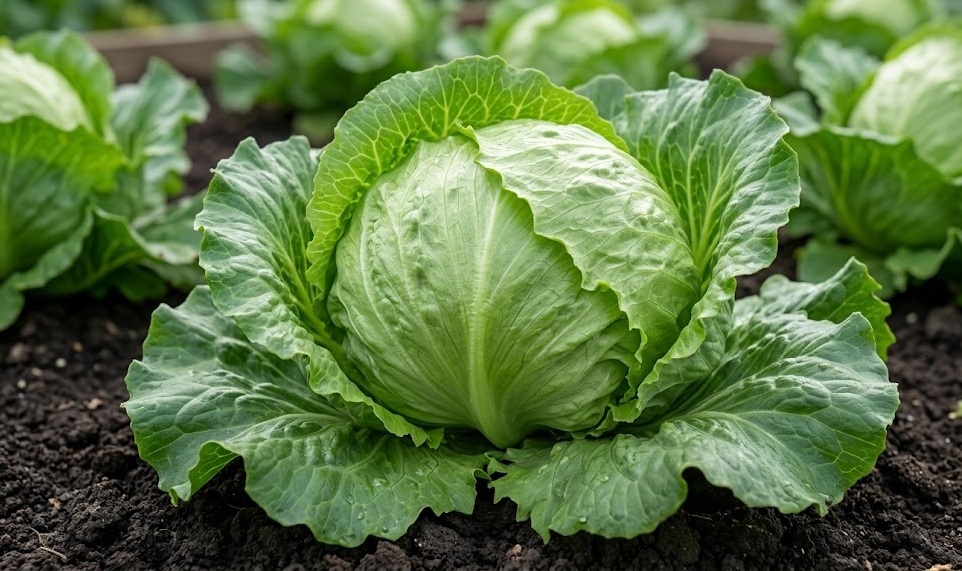

Iceberg lettuce is one of the most popular salad greens globally due to its crisp texture and refreshing taste. Maintaining a healthy crop requires a deep understanding of the plant’s specific environmental needs and growth patterns. You should focus on creating a stable environment where fluctuations in temperature and moisture are minimized to ensure consistent quality. This guide provides professional insights into the daily management practices necessary for a successful harvest in any commercial or home garden setting.
The foundation of proper care starts with selecting the right location within your agricultural space. You must ensure that the soil is well-draining yet capable of retaining enough moisture to keep the roots hydrated. High organic matter content is essential because it provides a steady stream of nutrients throughout the growing season. If the soil is too heavy or sandy, the plants will struggle to develop the tight, dense heads that define this variety.
Temperature control is a critical aspect of managing this specific crop during the warmer months of the year. Iceberg lettuce prefers cooler conditions and can quickly bolt or become bitter if exposed to excessive heat for prolonged periods. You might consider using shade cloths or strategic planting locations to protect the delicate leaves from the midday sun. Maintaining a consistent soil temperature through mulching can also help in regulating the internal heat of the plant bed.
Regular observation is the best tool any gardener has when it comes to long-term plant health and vitality. You should walk through your rows daily to check for early signs of stress, such as wilting or discoloration of the outer leaves. Early detection of issues allows for immediate intervention, which often saves the entire crop from potential failure. Consistent monitoring ensures that the growth rate remains steady, which is vital for achieving the desired crunch and flavor profile.
Environmental factors and site selection
Selecting the perfect site for your lettuce requires a balance between light exposure and protection from the elements. You should look for a spot that receives ample morning light while being shielded from the harshest afternoon rays. Wind protection is also necessary because strong gusts can dry out the large leaves very quickly, leading to physical damage. Proper site selection reduces the amount of manual intervention required later in the growing cycle.
More articles on this topic
The physical structure of the soil plays a massive role in how the root system develops over several weeks. You need to ensure that the earth is loose and friable so the shallow roots can spread without encountering resistance. Compacted soil limits oxygen availability, which can lead to stunted growth and increased susceptibility to various root rots. Adding well-composted manure or leaf mold can significantly improve the tilth and aeration of the planting area.
Drainage is another non-negotiable factor when you are preparing the ground for high-quality iceberg lettuce production. While the plants love moisture, they cannot tolerate standing water around their base for more than a few hours. Raised beds are often a professional choice because they allow for superior control over water movement and soil temperature. You should verify that the site does not collect runoff from higher ground during heavy spring rainfalls.
Microclimates within your garden can be utilized to extend the growing season of this cool-weather crop. You can plant near taller vegetables that provide natural dappled shade during the hottest parts of the day. South-facing slopes might be too warm in the summer, whereas a north-leaning area could offer the coolness the lettuce craves. Understanding these small variations in your land will help you maximize the yield and quality of every single head.
Soil management and nutrition
The nutritional profile of the soil must be balanced before you even consider placing a single seedling in the ground. You should aim for a slightly acidic to neutral pH level, typically between 6.0 and 7.0 for optimal results. If the pH is outside this range, the plant may experience nutrient lockout, where it cannot absorb the minerals present in the earth. Testing your soil regularly is the only way to be certain about the chemical composition of your growing medium.
More articles on this topic
Nitrogen is the primary nutrient required for the lush green leaf development that characterizes healthy iceberg lettuce heads. However, you must be careful not to over-apply nitrogen, as this can lead to rapid, weak growth that attracts more pests. Phosphorus and potassium are also vital for root strength and overall plant resilience against environmental stressors. A balanced approach to fertilization ensures that the plant grows at a steady pace rather than in sudden bursts.
Incorporating organic matter is a long-term strategy that pays dividends in soil health and plant vigor over many seasons. You should mix in high-quality compost at least two weeks before planting to allow the microorganisms to stabilize. This biological activity improves the soil’s ability to hold onto water and nutrients that would otherwise leach away. Healthy soil life acts as a natural buffer against pathogens and helps in breaking down complex minerals for the plant.
Mulching is a professional technique that serves multiple purposes in the management of a commercial or private lettuce patch. You can use straw, shredded leaves, or specialized plastic films to cover the soil surface between the plants. This layer suppresses weed growth, which would otherwise compete with your lettuce for precious resources and space. Furthermore, mulch keeps the soil cool and prevents dirt from splashing onto the leaves, keeping the harvest much cleaner.
Managing the growth cycle
Understanding the timeline from germination to harvest allows you to plan your garden activities with professional precision and efficiency. Iceberg lettuce typically takes between 70 and 90 days to reach full maturity depending on the specific variety and climate. You should keep detailed records of planting dates to predict when the heads will be ready for the market or kitchen. Successive planting every two weeks can provide a continuous supply of fresh greens throughout the entire spring and fall.
The heading stage is the most critical period in the life of an iceberg lettuce plant where density is formed. You will notice the inner leaves beginning to cup inward and overlap tightly to form a solid central core. During this time, the plant’s water needs increase significantly to maintain the turgor pressure required for leaf expansion. Any stress during this phase can result in loose heads or internal tip burn, which ruins the commercial value of the crop.
Thinning is a necessary task if you have sown seeds directly into the garden soil rather than using transplants. You must ensure that each plant has enough space, usually about twelve inches, to expand without being crowded by neighbors. Crowded plants suffer from poor air circulation, which creates a humid environment perfect for the development of fungal diseases. Removing the weaker seedlings allows the strongest individuals to thrive and reach their maximum potential size and weight.
Monitoring the firmness of the heads is the primary way to determine when the growth cycle has reached its conclusion. You can gently press the top of the lettuce with your thumb to feel for a solid, resistant center. If the head feels soft or hollow, it needs more time to fill out with internal leaves. However, waiting too long can lead to the plant sending up a flower stalk, which immediately makes the leaves taste bitter.
Routine maintenance and weeding
Weed management is a constant requirement because lettuce is a non-competitive plant that is easily overwhelmed by aggressive native species. You should practice shallow cultivation to avoid damaging the delicate and shallow root system of the lettuce plants. Hand-pulling weeds near the base of the heads is often safer than using large tools that might nick the stems. Keeping the area clean also removes potential hiding spots for harmful insects and mollusks that feed on the crop.
Airflow is an often overlooked component of routine maintenance that significantly impacts the health of the iceberg lettuce canopy. You should ensure that the rows are spaced far enough apart to allow breezes to move freely through the foliage. Stagnant air traps moisture on the leaf surfaces, which is the leading cause of downy mildew and other leaf spots. Proper spacing and site orientation are the most effective ways to promote natural drying after morning dew or rain.
Inspecting the structural integrity of the outer leaves can tell you a lot about the hydration levels of the entire plant. You should look for crisp, upright leaves that do not show signs of drooping during the early hours of the day. If the plants appear limp in the morning, it is a clear indication that the root zone is too dry. Adjusting your care routine based on these visual cues is a hallmark of an experienced and professional gardener.
Removing any yellowing or decaying lower leaves is a simple task that prevents the spread of rot to the healthy head. You should use clean fingers or small shears to strip away these older leaves that touch the damp soil surface. This practice keeps the base of the plant dry and reduces the organic matter available for decomposers to feed upon. A clean plant is much less likely to suffer from the bottom rot that can destroy an otherwise perfect harvest.
Quality control and harvesting
Harvesting at the peak of quality requires a keen eye and an understanding of the specific characteristics of the variety grown. You should aim to harvest in the very early morning when the heads are at their most hydrated and crisp. The cool morning temperatures help the lettuce retain its structure and prolong its shelf life after it has been cut. Using a sharp, clean knife to cut the stem just above the soil line ensures a professional and clean finish.
Post-harvest handling is just as important as the growing process if you want to maintain the premium quality of the lettuce. You should immediately move the harvested heads to a cool, shaded area to remove field heat as quickly as possible. Rinsing the heads in cold water can help, but you must ensure they are dried properly before storage to prevent mold. Professional growers often use refrigerated transport to keep the crispness intact from the field to the final consumer.
Visual inspection during the harvest process allows you to sort the heads based on size, density, and overall appearance. You should discard any plants that show signs of insect damage or internal browning to maintain a high standard of quality. Consistency in the product is what separates professional agricultural outputs from casual home gardening results. Packing the lettuce carefully in crates prevents bruising and physical damage during the transition to storage or sale.
The flavor of iceberg lettuce is at its best when the plant has been grown under steady, stress-free conditions throughout its life. You will find that heads grown in balanced soil with consistent moisture have a mild, sweet taste without any trace of bitterness. If you notice a milky sap exuding from the cut stem, the plant may have been starting to bolt. Understanding these subtle quality markers helps you provide the best possible product for culinary use.
Long term sustainability
Sustainable practices in lettuce production focus on maintaining soil health and minimizing the use of synthetic chemicals over multiple seasons. You should implement crop rotation by avoiding planting lettuce in the same spot where other leafy greens were grown the previous year. This practice breaks the life cycles of soil-borne pathogens and prevents the depletion of specific micronutrients. Rotating with legumes can also help naturally replenish nitrogen levels in the earth for future heavy feeders.
Water conservation is a key pillar of modern professional gardening and large-scale agricultural operations. You might consider installing a drip irrigation system that delivers water directly to the root zone with minimal evaporation. This method not only saves water but also keeps the foliage dry, which is essential for disease prevention in iceberg lettuce. Using moisture sensors can further refine your watering schedule to ensure you only apply what the plants truly need.
Encouraging biodiversity in and around your lettuce patch can provide natural pest control through the presence of beneficial insects. You should plant flowers like marigolds or alyssum nearby to attract ladybugs and lacewings that prey on common lettuce pests. This ecological approach reduces the need for pesticides and creates a more resilient growing environment. A healthy ecosystem is the best defense against the unpredictable challenges that nature presents to every gardener.
Reflecting on each growing season allows you to make informed adjustments to your care routine for the following year. You should keep a gardening journal to record weather patterns, pest outbreaks, and the performance of different iceberg varieties. Learning from both successes and failures is how you refine your skills and become a true expert in the field. Continuous improvement and a passion for plant health are the drivers of long-term success in agriculture.