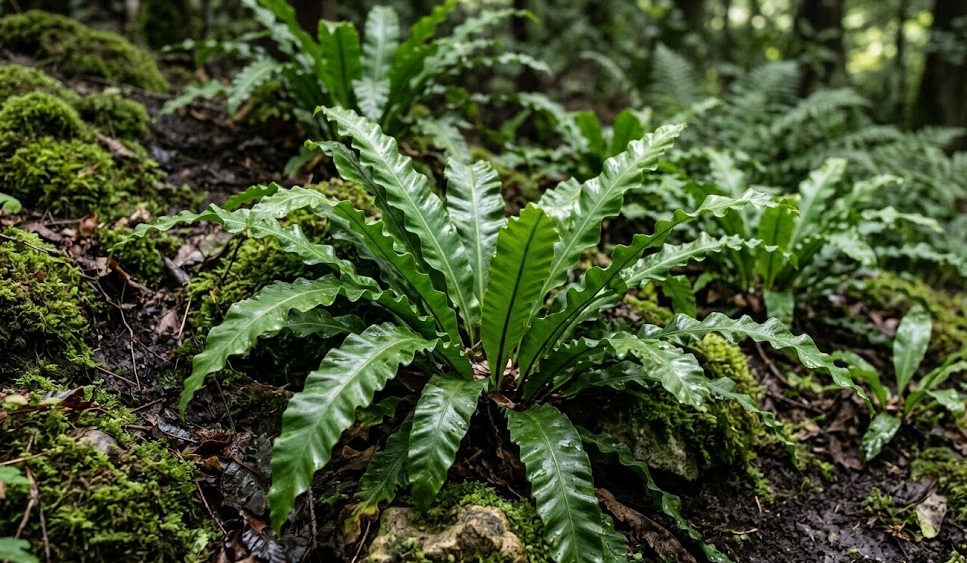

Pruning and cutting back the hart’s tongue fern is a simple but essential maintenance task that helps keep the plant looking its best and encourages healthy new growth each year. Unlike some other garden plants that require complex shaping, this fern mostly needs a gentle tidying up to remove old or damaged tissue. You must learn the correct timing and technique for this process to avoid stressing the plant or damaging the sensitive crown where the new fronds emerge. Proper pruning is the final touch that elevates a good-looking fern into a truly professional specimen.
Timing the annual cleanup
The best time to prune your hart’s tongue fern is in the early spring, just before the new season’s growth begins to unfurl from the center of the crown. You should wait until the worst of the winter weather has passed, as the old fronds provide a natural layer of protection for the crown during the coldest months. By leaving the old foliage in place until the spring, you help the plant insulate its most sensitive parts from frost and freezing winds. As soon as you see the first signs of the new “crosiers” emerging, you know it is time to start your annual cleanup.
You should avoid the temptation to cut back the fern in the late autumn or early winter, even if the leaves are looking a bit tired or brown around the edges. Removing the foliage too early can expose the crown to environmental stress and may even trigger the plant to start growing again if there is a brief warm spell. This premature growth would be extremely vulnerable to subsequent frosts and could significantly weaken the plant for the following year. Patience during the autumn months is a key part of successful fern management and long-term health.
In some mild climates or sheltered positions, the fronds may stay green and attractive for more than one year, and in these cases, you might not need to do a full cut-back. You should instead focus on a “selective pruning” approach, only removing the individual leaves that have become damaged, discolored, or covered in unsightly spots. This method allows the plant to maintain a larger surface area for photosynthesis while still looking neat and well-cared for. Always base your decision on the physical condition of the specific plant you are working with.
If you are growing your ferns indoors, you can perform light pruning at any time of the year as the environment is much more stable and controlled. You should still be observant of the plant’s natural growth cycles and try to do the majority of your tidying up in the spring to align with its natural rhythm. Regular removal of dead or dying tissue indoors prevents the buildup of dust and helps eliminate potential hiding spots for pests like scale or aphids. A clean indoor fern is much more likely to remain a vibrant and healthy part of your home decor.
More articles on this topic
Techniques for successful pruning
When you are ready to prune, you should always use a sharp, clean pair of bypass pruners or heavy-duty garden scissors for the best results. You need to make clean cuts that don’t crush the plant tissue, as ragged edges are more susceptible to disease and take longer to heal. Before you start, it is a good idea to wipe your tools with rubbing alcohol to ensure you aren’t transferring any pathogens from other plants in your garden. This simple step in hygiene is a hallmark of a professional and careful approach to plant maintenance.
To remove an old frond, follow it back to the base of the plant and make your cut as close to the rhizome as possible without nicking the crown itself. You should work your way around the plant, removing the outermost and oldest leaves first, which are usually the ones showing the most wear and tear. If you are doing a complete cut-back, you can gather the old fronds in one hand and carefully cut them all at once, taking care to avoid the new growth in the center. The goal is to leave the central crown clean and clear for the new season’s display.
Handling the leathery fronds of the hart’s tongue fern is easy, but you should still be gentle to avoid accidentally snapping the new, soft crosiers that are just starting to emerge. You might find it helpful to use your fingers to gently part the old foliage so you can see exactly where you are cutting. If a new frond is accidentally damaged during the process, it is best to leave it alone and let the plant decide whether to continue growing it or let it wither. With a bit of practice, you will develop a rhythm that makes this task quick and satisfying.
After you have finished pruning, you should collect all the removed material and dispose of it in your compost bin or green waste collection. Leaving dead foliage around the base of the plant can encourage fungal growth and provide a home for unwanted pests like slugs and snails. You might also want to take this opportunity to gently brush away any debris or fallen leaves that have collected in the center of the crown. A clean and tidy starting point is the best way to kick off the new growing season for your hart’s tongue ferns.
More articles on this topic
Encouraging new growth and vigor
Pruning is not just about making the plant look better; it also plays a functional role in stimulating the production of fresh, vibrant foliage. You will notice that once the old, competing leaves are removed, the plant can direct all of its energy and resources into the development of the new crosiers. This results in larger, stronger fronds that are more resilient to the stresses of the coming summer months. Regular maintenance ensures that your fern collection never looks stagnant or neglected but always has a sense of renewed life and energy.
Following your spring pruning, you should provide the plant with a little extra care to support its recovery and the flush of new growth. A light watering and a fresh layer of organic mulch will help settle the soil and provide a stable environment for the roots as they begin to work harder. You might also consider a very diluted application of a balanced liquid fertilizer to give the plant a nutritional boost at exactly the right moment. These small interventions complement your pruning efforts and ensure the best possible results for the season.
If you find that your fern is not producing as many new fronds as you would like after pruning, it might be a sign that the plant needs a more significant intervention, such as repotting or division. You should observe the vigor of the new growth carefully, as it is a great indicator of the overall health and “appetite” of the plant. A healthy hart’s tongue fern should respond to pruning with a beautiful and symmetrical display of new, glossy green leaves within a few weeks. Trusting the plant’s natural ability to recover and grow is part of the joy of fern gardening.
Finally, you should view the act of pruning as an opportunity to connect more deeply with your plants and observe their progress over the years. You can learn a lot about the health and history of a specimen by looking at the quality and quantity of the foliage you are removing. This annual ritual marks the turning of the seasons and the beginning of another year of beauty in your shaded garden. With a thoughtful and consistent approach to pruning, your hart’s tongue ferns will remain a source of pride and tranquility for many years to come.