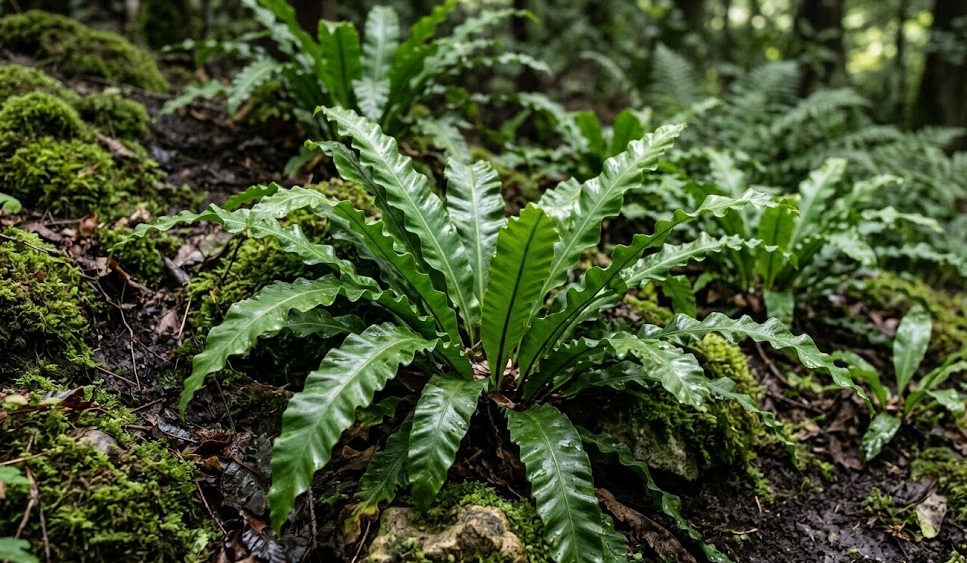

Hart’s tongue fern is one of the most distinctive and visually striking plants that you can add to a shaded garden or a cool indoor space. Unlike many other ferns that feature delicate and feathery fronds, this species possesses leathery, strap-shaped leaves that remain green throughout the year. Understanding the basic needs of this plant is essential for anyone who wants to maintain its lush appearance and ensure its longevity in a domestic or professional setting. It is a resilient plant, yet it requires specific environmental conditions to truly thrive and reach its full aesthetic potential.
Creating the ideal habitat
The foundation of successful care begins with replicating the natural limestone habitats where these ferns typically grow in the wild. You should aim for a location that offers cool temperatures and high humidity levels, as dry air is the primary enemy of frond health. Providing a sheltered spot away from harsh winds will prevent the long leaves from becoming tattered or bruised over time. Many gardeners find that placing these ferns near water features or in naturally damp corners of the garden yields the best results.
Soil composition plays a vital role in the long-term health of the root system and the vibrancy of the foliage. You must ensure that the growing medium is rich in organic matter but also contains enough grit to allow for excellent drainage. Adding crushed limestone or oyster shells to the soil can help maintain the alkaline pH levels that this specific fern prefers. Avoiding heavy clay or overly sandy soils will prevent the common issues of root rot or chronic dehydration that plague less prepared growers.
Air circulation is an often overlooked aspect of fern care that can make a significant difference in preventing fungal issues. You need to provide enough space between plants so that air can move freely around the base and between the dense fronds. This natural ventilation helps to regulate temperature and ensures that moisture does not sit on the leaf surfaces for too long. In indoor settings, a small fan or opening a window occasionally can provide the necessary air movement without creating a drying draft.
Seasonal adjustments are necessary as the plant moves through its natural growth cycles from spring through winter. During the active growing season, you will notice new fronds uncurling from the center in a beautiful display of botanical engineering. As the weather cools, the plant slows its metabolism and requires less intervention from the grower to remain stable. Observing these subtle changes allows you to provide the right amount of attention at exactly the right time throughout the calendar year.
More articles on this topic
Maintaining foliage health
The visual appeal of the hart’s tongue fern lies entirely in its glossy, vibrant green fronds which can grow quite large under the right conditions. You should regularly inspect the leaves for any signs of dust accumulation or environmental stress that might dull their natural shine. Gently wiping the leaves with a damp cloth can remove debris and allow the plant to breathe more effectively through its stomata. This simple maintenance task also provides an excellent opportunity to check for any early signs of health problems.
Browning tips are a common concern for many enthusiasts and usually indicate a lack of environmental humidity or inconsistent soil moisture. You can mitigate this by implementing a regular misting schedule or using a gravel tray filled with water beneath the pot. Ensuring that the plant is not placed near radiators or air conditioning vents will also help maintain the integrity of the leaf edges. Consistent care in this area results in a much more professional and polished appearance for your collection.
The structural integrity of the fronds is surprisingly robust, but they can still be susceptible to physical damage in high-traffic areas. You should position your ferns where they are unlikely to be brushed against by people or pets passing by in the garden or home. If a leaf does become snapped or heavily damaged, it is best to leave it until it naturally yellows before removal. This approach allows the plant to reabsorb any remaining nutrients from the damaged tissue before it is discarded.
New growth is the most exciting part of the care process and indicates that your environmental parameters are well-aligned with the plant’s needs. You will see tightly coiled “crosiers” emerging from the crown, which gradually unfurl into the iconic strap-shaped leaves. It is important to avoid touching these delicate new structures as they are very soft and easily scarred during their development phase. Patience during this uncurling period is rewarded with flawless, expansive foliage that can last for several years.
More articles on this topic
Managing the root zone
The root system of this fern is relatively shallow and consists of a creeping rhizome that must be handled with great care. You should avoid digging too deeply around the base of the plant to prevent accidental damage to these sensitive life-giving structures. Mulching with leaf mold or compost can provide a protective layer that keeps the roots cool and moist throughout the summer months. This practice also slowly releases nutrients into the soil as the organic matter breaks down over time.
Potting and repotting are tasks that should only be undertaken when the plant has clearly outgrown its current container. You will know it is time when you see roots emerging from the drainage holes or if the plant requires watering much more frequently than before. Choosing a pot that is only slightly larger than the current one will prevent the soil from staying too wet, which can lead to anaerobic conditions. Always use a high-quality, lime-rich potting mix during this process to ensure a smooth transition for the fern.
Drainage is perhaps the most critical factor in managing the root zone of any fern variety in a container or garden bed. You must ensure that excess water can escape quickly, as standing water will rapidly lead to the death of the rhizome and roots. Using terracotta pots can be beneficial because the porous material allows for better gas exchange and prevents the soil from becoming waterlogged. If planting in the ground, creating a slightly raised mound can help direct water away from the crown during heavy rains.
Microbial life in the soil contributes significantly to the overall vigor and disease resistance of the hart’s tongue fern. You can encourage a healthy soil ecosystem by avoiding harsh synthetic chemicals and instead using organic soil conditioners. These natural amendments foster the growth of beneficial fungi and bacteria that assist the plant in nutrient uptake and root protection. A living soil is a stable soil, providing a consistent foundation for the fern to thrive across multiple seasons.
Nutritional balance and soil chemistry
While this fern is not a heavy feeder, it does benefit from a steady supply of essential minerals and trace elements. You should focus on providing a balanced environment where nutrients are available in low concentrations rather than in large, sporadic doses. Over-fertilizing can lead to a buildup of salts in the soil, which will eventually burn the sensitive roots and discolor the foliage. A gentle approach to nutrition mirrors the slow, steady growth habit of the plant in its natural forest home.
The pH level of the soil is a determining factor in how well the plant can access the nutrients that are present. You should aim for a slightly alkaline to neutral environment, as this fern is naturally adapted to limestone-rich areas. Regular testing of the soil can help you identify if the conditions have become too acidic due to rain or the decomposition of certain mulches. Adding a small amount of garden lime once a year is often enough to keep the chemistry within the ideal range.
Trace elements like magnesium and calcium are particularly important for the development of strong cell walls in the leathery fronds. You can provide these through specialized fertilizers designed for calcicole plants or by using natural sources like dolomitic limestone. These elements contribute to the deep green color and the stiff, upright posture that makes the fern so architecturally interesting. Ensuring these minerals are present prevents the leaves from becoming limp or unnaturally pale during the peak growing season.
Observation is your best tool for determining if the nutritional balance of your fern is correct. You might notice that the leaves are turning yellow between the veins, which could suggest a deficiency in certain minerals. Conversely, very dark green but soft and floppy growth might indicate an excess of nitrogen that is forcing the plant to grow too quickly. By paying close attention to these visual cues, you can adjust your care routine to provide exactly what the plant needs for optimal health.
Environmental stability
Sudden changes in temperature or humidity can cause significant stress to the hart’s tongue fern and may lead to frond drop. You should strive to maintain a consistent environment where the fluctuations between day and night are kept within a reasonable range. If you are growing the plant indoors, avoid placing it near doors that are frequently opened to the cold outside air during winter. In the garden, using natural windbreaks like hedges or walls can provide the stability the fern requires to remain lush.
Humidity levels should ideally remain above fifty percent to keep the foliage from drying out and becoming brittle at the edges. You can monitor this with a simple hygrometer and take action if the air becomes too dry during the summer or winter months. Grouping plants together creates a localized microclimate where moisture is trapped and shared among the different species. This collective transpiration helps to naturally elevate the humidity in the immediate vicinity of your ferns.
Light exposure is another critical component of environmental stability that must be carefully managed throughout the year. While the fern needs some light for photosynthesis, direct afternoon sun can quickly scorch the leaves and cause permanent damage. You should seek out a spot with dappled shade or bright indirect light, such as under the canopy of a large tree. As the seasons change and the sun’s angle shifts, you may need to move container-grown plants to maintain the correct light levels.
Watering routines must be adapted to the specific conditions of your environment to ensure the plant is never too dry or too wet. You should feel the soil regularly and only add water when the surface begins to feel slightly dry to the touch. Using rainwater or filtered water is often better than tap water, which may contain chlorine or other chemicals that can accumulate in the soil. Consistency in your watering habits will lead to a much more resilient and healthy plant that can withstand minor environmental stresses.
Long term growth and development
As your hart’s tongue fern matures, it will naturally increase in size and produce an ever-increasing number of fronds from the central crown. You should appreciate this slow progression, as it results in a plant that is much more stable and aesthetically pleasing than one forced into rapid growth. Older plants can become quite impressive specimens that serve as a focal point in a shaded border or a woodland garden. Proper care over several years allows the fern to reach its maximum potential size and beauty.
The lifespan of this species is quite remarkable when it is provided with the correct care and a stable environment. You can expect your fern to live for many decades, often becoming a permanent fixture in the garden landscape. This long-term perspective encourages a more thoughtful approach to care, focusing on sustainable practices rather than quick fixes. Investing time in the early stages of growth pays dividends as the plant becomes more established and self-sufficient.
Natural variation within the species means that some plants may have slightly different growth habits or leaf shapes. You might find that some specimens have wavy edges while others are more straight and narrow in their form. Embracing these natural differences adds character to your collection and reflects the rich diversity found in the natural world. Maintaining a healthy environment allows these unique characteristics to be fully expressed in each individual plant.
Sharing your passion for these ferns can lead to a deeper understanding of their care and a greater appreciation for their unique beauty. You might consider joining a local gardening group or an online community dedicated to fern enthusiasts where you can exchange tips and experiences. Learning from others who have grown hart’s tongue ferns in different climates can provide valuable insights that improve your own success. This communal knowledge is a wonderful resource for anyone looking to master the art of fern cultivation.
Troubleshooting and recovery
Even with the best care, you may occasionally encounter issues that require your attention and a quick response to prevent further damage. You should stay vigilant for signs of stress, such as drooping leaves or unusual spots that might appear on the foliage. Identifying the cause of the problem early is the most important step in implementing an effective solution. Most issues can be traced back to environmental factors like improper light, water, or temperature levels.
If your fern has suffered from a period of neglect, it is possible to help it recover through careful and patient intervention. You should start by removing any dead or severely damaged foliage to allow the plant to focus its energy on new growth. Gradually reintroducing the correct watering and humidity levels will prevent the plant from being shocked by a sudden change in its environment. With time and consistent care, many ferns can bounce back from surprisingly poor conditions.
Soil issues can sometimes be solved by flushing the pot with clean water to remove excess salts or by replacing the top layer of soil. You should check the drainage holes to ensure they are not blocked by roots or debris, which could be causing water to pool at the bottom. If the soil has become compacted, gently aerating the surface can improve oxygen flow to the root zone. These small mechanical adjustments can have a significant impact on the overall health of the plant.
Regularly reviewing your care routine allows you to make small improvements that prevent problems before they start. You should keep a simple log of when you water, fertilize, and repot your plants to identify any patterns or gaps in your care. This record-keeping helps you become a more intuitive grower who understands the specific needs of each individual fern. Success with hart’s tongue ferns is a journey of continuous learning and observation that rewards the patient gardener.