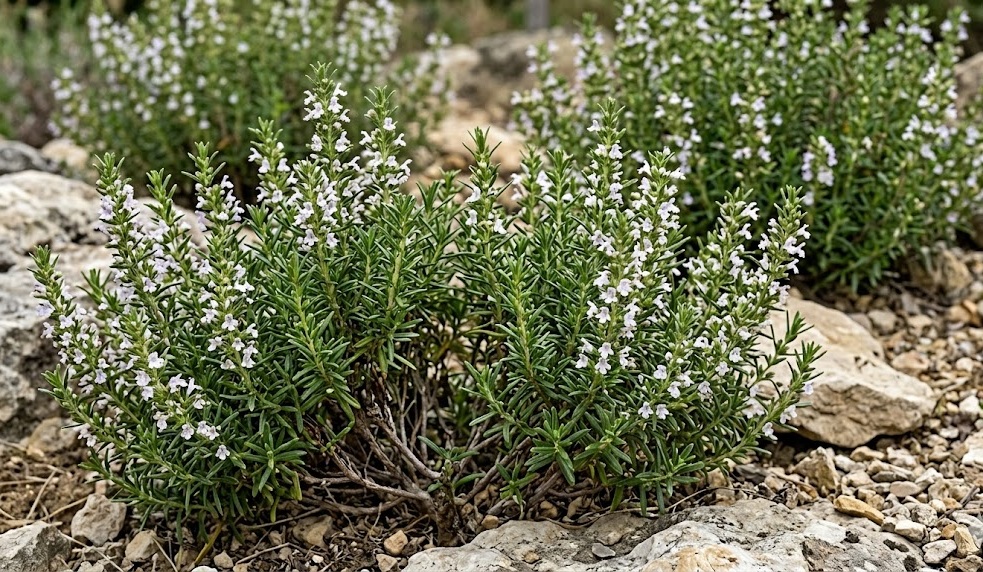

Protecting winter savory from biological threats requires a proactive approach centered on prevention and environmental management. While this herb is naturally resistant to many common garden pests due to its high essential oil content, it is not entirely immune to problems. Fungal diseases and certain opportunistic insects can still pose a challenge, especially when the plant is stressed or the growing conditions are less than ideal. A professional gardener knows that a healthy, well-ventilated plant is the first and best line of defense against any potential infestation or infection.
The most effective way to manage diseases is to create an environment where they cannot thrive in the first place. High humidity, poor airflow, and overly wet soil are the primary drivers for most of the fungal issues that affect winter savory. By ensuring that your plants are correctly spaced and located in a sunny spot, you naturally limit the opportunities for pathogens to take hold. Regular inspections allow you to catch the very first signs of trouble, making it much easier to intervene before a small issue becomes a garden-wide disaster.
Pests are often attracted to plants that are already weakened by environmental stress or improper care. For example, a plant that has been over-fertilized with nitrogen will produce soft, succulent growth that is irresistible to aphids. Similarly, a plant struggling with drought may be more vulnerable to spider mite infestations during the hottest part of the summer. Maintaining a consistent and appropriate care routine is therefore one of the most professional ways to keep your savory pest-free.
When problems do arise, it is important to identify the specific culprit accurately before choosing a treatment method. Using broad-spectrum chemicals can often do more harm than good by killing off the beneficial insects that provide natural pest control. Instead, focus on targeted, organic solutions that address the root cause of the problem without disrupting the balance of your garden ecosystem. With a bit of knowledge and a watchful eye, you can keep your winter savory healthy and productive for many seasons.
Common fungal pathogens and their signs
Powdery mildew is one of the most frequent fungal issues you might encounter, especially during periods of warm, humid weather with cool nights. You will see a distinctive white or greyish powdery coating on the surface of the leaves, which can eventually lead to yellowing and premature leaf drop. This fungus thrives on the surface of the plant and can quickly spread if the air around the shrub is stagnant. Improving the airflow by pruning away dense inner branches or moving the plant to a breezier location can often stop the spread.
More articles on this topic
Rust is another fungal disease that can occasionally affect savory, appearing as small, orange or brown pustules on the underside of the foliage. These pustules contain millions of spores that are easily spread by wind or splashing water from irrigation. If you notice these signs, you should immediately remove and destroy the affected leaves to prevent further contamination. Avoid watering from above, as keeping the leaves dry is the most effective way to discourage the germination of rust spores.
Root rot, caused by pathogens like Phytophthora or Pythium, is a much more serious condition that usually stems from poor drainage or overwatering. The first signs are often subtle, such as a general lack of vigor or slight wilting even when the soil is wet. As the disease progresses, the base of the plant may turn black and the roots will become slimy and dark. In most cases, once root rot has taken hold, the plant cannot be saved and must be removed to prevent the pathogen from lingering in the soil.
Managing these fungal issues professionally involves a combination of cultural practices and, if necessary, organic fungicides. Copper-based sprays or sulfur dust can be effective against mildew and rust if applied at the first sign of infection. However, these should always be used as a last resort and in accordance with the product instructions to avoid damaging the plant or the environment. The best long-term strategy is always to select resistant varieties and maintain the optimal growing conditions that savory loves.
Identifying and managing insect pests
Aphids are small, soft-bodied insects that congregate on the tender new growth of the savory plant to suck out its vital juices. You can often spot them by looking for clusters of green, black, or pink bugs near the tips of the stems or on the undersides of the leaves. Their feeding can cause the leaves to curl and distort, and they also produce a sticky substance called honeydew that can attract ants. A strong blast of water from a garden hose is often enough to knock them off the plant and disrupt their breeding cycle.
More articles on this topic
Spider mites are microscopic pests that thrive in hot, dry conditions and can quickly skeletonize the foliage if left unchecked. You might notice fine webbing between the stems or a stippled, yellow appearance on the leaves where the mites have been feeding. Because they are so small, you can confirm their presence by shaking a branch over a white piece of paper and looking for tiny moving dots. Increasing the local humidity around the plant and ensuring it is well-hydrated can make the environment less hospitable for these mites.
Whiteflies are another sap-sucking insect that can be a nuisance, especially in greenhouse settings or sheltered garden corners. When you disturb the plant, a cloud of tiny white insects will flutter around before settling back onto the undersides of the leaves. Like aphids, they can weaken the plant over time and may transmit viral diseases between different herbs in your collection. Yellow sticky traps are a professional and non-toxic way to monitor and reduce the population of adult whiteflies in your garden.
For most insect problems, the use of insecticidal soap or neem oil is a highly effective and organic approach. These treatments work by coating the insects and disrupting their cell membranes or interfering with their ability to feed and reproduce. It is important to apply these products in the early morning or late evening to avoid burning the leaves in the direct sun. Always ensure that you get thorough coverage, especially on the undersides of the leaves where many pests prefer to hide.
Preventive measures and garden sanitation
The foundation of a pest-free herb garden is meticulous sanitation and a commitment to keeping the area clean. You should regularly remove any fallen leaves or debris from around the base of your winter savory shrubs. This material can provide a hiding spot for pests like slugs and snails and can harbor fungal spores that will re-infect your plants next season. Keeping the ground clear and the soil surface tidy is a simple but essential professional practice for every serious gardener.
Disinfecting your pruning tools is another critical step in preventing the spread of disease from one plant to another. You can use a solution of isopropyl alcohol or a mild bleach mixture to wipe down your shears after every use. This ensures that you aren’t accidentally moving pathogens from a sick plant to a healthy one during your routine maintenance. Taking a few extra minutes to clean your equipment is an investment that can save your entire herb collection from a devastating outbreak.
Crop rotation and strategic placement can also play a role in reducing the buildup of pests and diseases over time. If you have had trouble with a specific pathogen in one part of your garden, avoid planting savory or its relatives in that spot for a few years. Diversifying your plantings by mixing herbs with flowers and vegetables can also help break the lifecycle of many specialized pests. A monoculture is always more vulnerable than a varied and complex garden ecosystem where natural checks and balances are in place.
Finally, always inspect any new plants thoroughly before introducing them into your established garden or greenhouse. It is very easy to accidentally bring home aphids or mildew on a nursery-grown plant, so a period of quarantine is often a wise move. Place new arrivals in a separate area for a week or two and watch them closely for any signs of trouble. This professional caution protects the time and effort you have already invested in your existing winter savory plants.
Biological and organic control methods
Encouraging the presence of natural predators is one of the most sustainable and effective ways to manage pests in an organic garden. Ladybugs, lacewings, and predatory wasps are all voracious eaters of aphids and other small insects that might target your savory. You can attract these beneficial bugs by planting a variety of flowering herbs and native plants that provide them with pollen and nectar. Avoiding the use of harsh chemical pesticides is essential for keeping these natural allies alive and working for you.
Using companion plants like marigolds or alliums can also help deter certain pests through their scent or root exudates. Some gardeners find that planting savory near other strong-smelling herbs creates a confusing environment for insects that rely on their sense of smell to find host plants. This layering of natural defenses is a hallmark of an advanced, ecological approach to gardening. The more complexity you build into your garden, the less likely any single pest will be able to cause significant damage.
Neem oil is a versatile organic tool that acts as both a fungicide and an insecticide, making it a favorite among professional herb growers. It is derived from the seeds of the neem tree and works by interfering with the hormonal systems of many common pests. Because it is biodegradable and has low toxicity to mammals and honeybees, it is a safe choice for use on culinary herbs. Just be sure to follow the dilution instructions carefully and avoid applying it during the hottest part of the day.
Baking soda sprays can also be used as a simple and inexpensive home remedy for preventing powdery mildew on your savory. A mixture of one tablespoon of baking soda and a few drops of liquid soap in a gallon of water can change the pH on the leaf surface, making it harder for fungal spores to grow. This should be used as a preventative measure during humid spells rather than a cure for a severe infection. Experimenting with these gentle, organic methods allows you to maintain a healthy garden without relying on synthetic chemicals.
Managing root rot and soil-borne issues
When dealing with soil-borne diseases like root rot, the focus must be on improving the physical conditions of the earth. If you find that a particular spot in your garden is consistently wet and causing plants to fail, you may need to install a drainage system or move your herbs to raised beds. Adding large amounts of organic matter can improve soil structure, but for savory, adding inorganic grit is often more effective for ensuring rapid drainage. A professional assessment of your site’s topography can help you identify where water might be collecting underground.
If a plant does succumb to a soil-borne pathogen, it is vital to remove the entire root ball and a portion of the surrounding soil. Do not put this material into your compost pile, as many of these pathogens can survive the composting process and be spread back into your garden. Instead, dispose of the infected material in the trash or burn it if local regulations allow. This “scorched earth” approach is necessary to break the cycle of infection and protect your future plantings.
There are also beneficial soil microbes, such as Trichoderma or Bacillus subtilis, that can be added to the soil to help suppress harmful pathogens. These “bio-fungicides” work by outcompeting the bad fungi for space and nutrients, or by directly attacking them. Many professional nurseries now use these biological inoculants to produce healthier and more resilient plants. Incorporating these into your planting routine can provide an extra layer of protection for your winter savory against invisible underground threats.
Ultimately, the best defense against root rot is simply to respect the plant’s natural preference for dry conditions. If you are in doubt about whether to water, it is almost always better to wait until the soil is thoroughly dry. By fostering a deep and healthy root system through proper irrigation and soil management, you make the plant much more capable of defending itself. A professional gardener understands that the health of the plant starts with the health of the soil in which it grows.