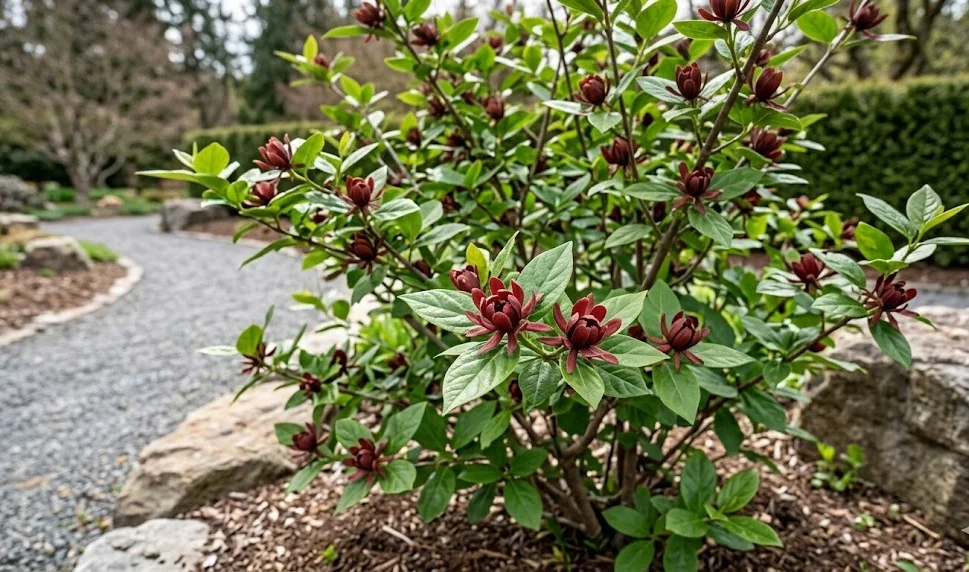

Maintaining the health of the western spicebush requires a proactive strategy for identifying and managing potential biological threats. While this species is relatively robust, it can still fall victim to various pathogens and insects that thrive in garden environments. Professional gardeners know that early detection is the key to preventing a minor issue from becoming a major outbreak. By understanding the common enemies of this shrub, you can protect your investment and ensure its long-term survival.
A healthy plant is the best defense against any pest or disease, as its natural immune system will be much stronger. This means that providing the correct amount of water, light, and nutrients is actually part of your pest management strategy. Stressed plants release chemical signals that can actually attract insects and make them more vulnerable to infection. Therefore, the foundation of a professional health plan is consistent and high-quality general care.
Sanitation is another critical component of disease prevention that should be practiced throughout the year. Removing fallen leaves and debris from around the base of the shrub reduces the hiding places for harmful insects. It also limits the spread of fungal spores that might be overwintering in the organic matter on the ground. Professional maintenance includes keeping the area clean and well-ventilated to discourage the growth of unwanted organisms.
Regular inspections should be a part of your weekly garden routine during the active growing season. Look closely at both the upper and lower surfaces of the leaves for any signs of spots, discoloration, or holes. Check the stems for any unusual growths or signs of boring insects that might be hidden under the bark. Catching a problem in its earliest stages often allows for simple, non-chemical interventions that are much better for the environment.
Common fungal and bacterial infections
Fungal leaf spot is one of the most frequent issues encountered by those who grow the western spicebush in humid climates. This condition usually appears as small, dark brown or black circles on the foliage, which can eventually merge and cause the leaf to drop. While it is rarely fatal, a severe infection can weaken the shrub and reduce its aesthetic value significantly. Improving airflow through proper pruning and avoiding overhead watering can help keep the foliage dry and less hospitable to fungi.
More articles on this topic
Powdery mildew is another common fungal problem that manifests as a white, dusty coating on the surface of the leaves. It tends to appear during periods of warm days and cool, damp nights, particularly in the late summer or autumn. This fungus thrives in stagnant air, so ensuring your spicebush is not overcrowded by other plants is essential. If the infection is mild, you can often manage it by simply removing the affected leaves and improving the surrounding conditions.
Root rot can be a serious threat if the shrub is planted in soil that does not drain properly or if it is over-watered. This disease is caused by soil-borne pathogens that attack the root system, preventing the plant from taking up water and nutrients. The first signs are often wilting leaves and a general decline in vigor, even when the soil is clearly wet. Preventing root rot is much easier than treating it, which is why professional soil preparation and site selection are so important.
Bacterial infections can sometimes occur, often entering the plant through wounds caused by pruning or mechanical damage. These can cause localized dieback or unusual growths on the branches that should be removed immediately. Always use clean, sterilized tools when working with your plants to avoid spreading bacteria from one specimen to another. A quick wipe with rubbing alcohol between plants is a professional standard that can save you a lot of trouble in the long run.
Managing insect pests and infestations
Aphids are small, soft-bodied insects that often cluster on the tender new growth of the spicebush in the spring. They feed on the plant’s juices, causing the leaves to curl and become distorted over time. While a few aphids are not usually a problem, large colonies can secrete a sticky substance called honeydew that attracts ants and promotes the growth of sooty mold. A strong blast of water from a garden hose is often enough to knock them off and keep their numbers under control.
More articles on this topic
Scale insects can sometimes be found clinging to the stems of the shrub, where they look like small, immobile bumps. They are protected by a hard outer shell, which makes them quite resistant to many traditional contact insecticides. If you notice a scale infestation, you may need to use horticultural oils or soaps that can smother the insects without harming the plant. These treatments are most effective when applied during the “crawler” stage when the young insects are moving around.
Spider mites are tiny pests that thrive in hot, dry conditions and can cause the foliage to look stippled or yellowed. Because they are so small, you might only notice their presence by the fine webbing they produce between the leaves. Increasing the humidity around the plant and regular misting can help discourage these pests from taking up residence. In severe cases, specialized miticides may be necessary, but these should always be used as a last resort in a professional setting.
Beetles are naturally attracted to the flowers of the western spicebush, as they are its primary pollinators in the wild. In most cases, their presence is beneficial and should be encouraged as part of a healthy ecosystem. However, certain types of leaf beetles can sometimes cause significant damage to the foliage if their populations explode. Monitoring the balance of insects in your garden will help you determine if you need to take action or let nature handle the situation.
Natural and biological control methods
Professional gardeners often prefer to use biological controls as the first line of defense against common garden pests. This involves encouraging natural predators, such as ladybugs, lacewings, and predatory mites, to live in your garden. These beneficial insects can do a remarkable job of keeping aphid and mite populations at a manageable level. Creating a diverse garden environment with a variety of flowering plants will help attract these natural allies to your spicebush.
Horticultural soaps and oils are considered “soft” interventions that are much less harmful to the environment than synthetic chemicals. They work by physically coating the insects and disrupting their ability to breathe or feed properly. These products are particularly effective against soft-bodied pests like aphids, mites, and young scale insects. Because they have no residual effect, they must be applied directly to the pests and may require multiple treatments to be fully successful.
Neem oil is a popular natural product derived from the seeds of the neem tree that acts as both an insecticide and a fungicide. it can disrupt the life cycles of many common pests and provide a layer of protection against certain fungal infections. When using neem oil, it is important to apply it in the evening or on cloudy days to avoid potential leaf burn. Professional application ensures that the plant is thoroughly covered while minimizing the impact on non-target insects like bees.
Using physical barriers or traps can also be an effective way to manage specific pest problems without using any chemicals at all. For example, sticky bands can be placed around the trunk to prevent ants from climbing up and protecting aphid colonies. Pheromone traps can help you monitor the arrival of certain pests so that you can time your interventions more accurately. These low-impact methods are a hallmark of a professional and environmentally conscious approach to gardening.
Chemical interventions and professional safety
When biological and natural methods are not enough to save a plant, targeted chemical interventions may be necessary. It is essential to choose a product that is specifically labeled for use on woody shrubs and for the particular pest or disease you are facing. Always read the entire label before use and follow the safety guidelines strictly to protect yourself and the surrounding environment. Professional application means using the correct dosage at the right time to achieve the best results with the least amount of product.
Avoid broad-spectrum insecticides that kill everything they touch, as these can wipe out the beneficial insects that are helping you. Instead, look for systemic products that are absorbed by the plant and only affect the pests that feed on its tissues. This targeted approach is much more effective and reduces the risk of chemical drift to other parts of your garden. Timing is also critical, as you want to avoid applying chemicals when the plant is in full bloom and visited by pollinators.
If you are dealing with a recurring disease problem, you may need to apply preventative fungicides in the early spring before the symptoms appear. These products create a protective barrier on the surface of the leaves that prevents fungal spores from germinating. This proactive strategy is often much more successful than trying to cure an established infection later in the season. Consistent records of past issues will help you know when to start these treatments each year.
Finally, always consider the long-term impact of any chemical treatment on the health of your soil and the wider ecosystem. Overuse of certain products can lead to the development of resistant pest populations and the decline of soil fertility. A professional gardener sees chemical use as a temporary tool within a much larger and more complex management system. By focusing on overall plant health and diversity, you can minimize the need for these interventions and enjoy a thriving western spicebush.