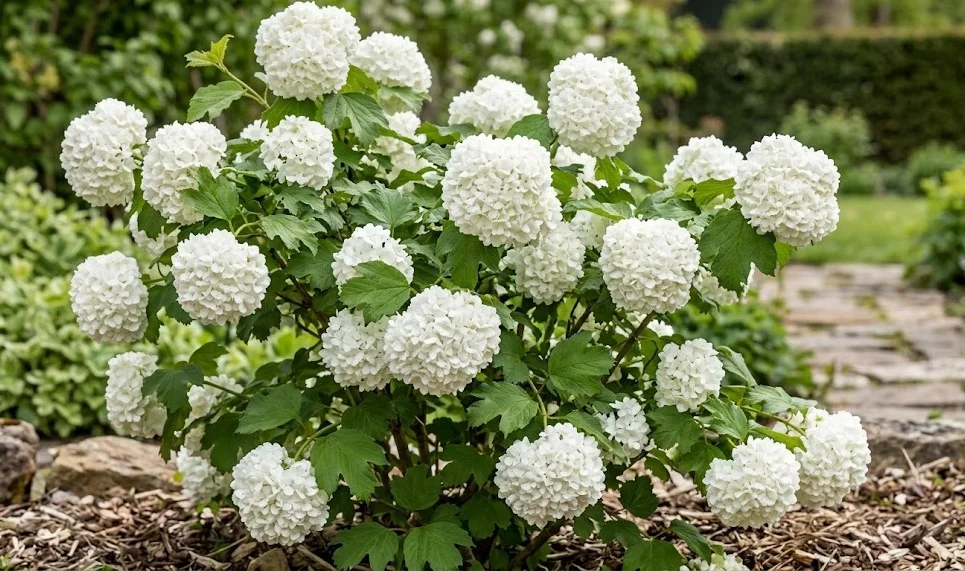

Protecting the snowball bush from its natural enemies is a fundamental part of being a successful gardener and maintaining a beautiful landscape. While this species is generally quite hardy, it can fall victim to several specific pests and diseases that can mar its appearance or even threaten its survival. Understanding what to look for and how to respond effectively is the key to keeping your shrub healthy and vibrant throughout the growing season. A proactive approach, combined with regular inspections, will help you catch most problems while they are still manageable.
Pests and diseases are often a sign that a plant is already under stress from other factors, such as improper watering or poor soil conditions. A healthy, vigorous snowball bush is much better equipped to defend itself than one that is struggling to find enough light or nutrients. Therefore, the first line of defense against any health issue is always providing the best possible care for the plant’s basic needs. When you keep your shrub strong, you are essentially building a natural immune system that can ward off many common garden ailments.
The timing of pest arrivals and disease outbreaks often follows a predictable seasonal pattern that you can learn to anticipate each year. Aphids, for example, tend to appear in the early spring just as the new, tender growth is emerging from the buds. Fungal diseases, on the other hand, are much more likely to show up during warm, humid spells in the mid-summer when the air is still and moist. By knowing when to be on high alert, you can intervene at the very first sign of trouble, often avoiding the need for more intensive treatments later on.
Using integrated pest management techniques allows you to deal with problems in a way that is safe for you, your garden, and the environment. This approach prioritizes natural controls and physical removal over harsh chemical sprays that can harm beneficial insects like bees and butterflies. Your goal should be to maintain a balanced ecosystem in your garden where natural predators help keep pest populations in check. With a little bit of knowledge and a lot of observation, you can keep your snowball bush looking its best without resorting to extreme measures.
Identifying common insect pests
Aphids are perhaps the most frequent visitors to the snowball bush, often clustering in large numbers on the undersides of leaves and around the flower buds. These tiny, soft-bodied insects suck the sap from the plant, causing the leaves to curl and become distorted as they grow. You can often spot their presence by the sticky “honeydew” they excrete, which can attract ants or lead to the growth of unsightly black sooty mold. A strong blast of water from a garden hose is often enough to knock them off the plant and keep their numbers under control.
More articles on this topic
The viburnum leaf beetle is a more serious pest that has become a significant concern for gardeners in many regions over the last few decades. Both the larvae and the adult beetles feed on the leaves of the snowball bush, sometimes completely skeletonizing the foliage if the infestation is severe. You should look for small, dark spots on the twigs in the winter, which are the egg-laying sites that will hatch in the spring. Removing these infested twigs before the spring thaw is one of the most effective ways to break the life cycle of this damaging insect.
Scale insects can also occasionally be found on the woody stems of older snowball bushes, appearing as small, immobile bumps that might be mistaken for part of the bark. These pests also feed on the plant’s sap and can cause a general decline in vigor if they are allowed to multiply unchecked. Because they have a protective waxy coating, they can be difficult to treat with standard contact sprays once they have reached adulthood. Horticultural oils applied during the dormant season are often the best way to manage scale by smothering the overwintering insects and eggs.
Spider mites are a common issue during hot, dry summer weather, leading to a stippled or “dusty” appearance on the leaves of the shrub. Because they are so tiny, you might not see the mites themselves, but you can often find their delicate webbing on the undersides of the foliage. Keeping the plant well-watered and occasionally rinsing the leaves with water can help prevent mites from becoming a major problem in your garden. If an infestation becomes severe, using a specialized miticide or insecticidal soap may be necessary to protect the health of the bush.
Managing fungal and bacterial diseases
Powdery mildew is a very common fungal disease that appears as a white, flour-like coating on the surface of the leaves during humid weather. While it usually doesn’t kill the snowball bush, it can make the plant look unattractive and can reduce its overall vigor by interfering with photosynthesis. You can reduce the risk of mildew by ensuring there is plenty of air circulation around the shrub and by avoiding overhead watering that leaves the foliage wet. If necessary, there are many organic fungicidal sprays based on neem oil or potassium bicarbonate that are very effective at controlling this fungus.
More articles on this topic
Leaf spot diseases, caused by various fungi or bacteria, manifest as small brown or black spots on the foliage that may eventually lead to premature leaf drop. These pathogens often thrive in damp conditions where water lingers on the leaves for long periods, such as during rainy springs or when using sprinklers at night. Removing and destroying any fallen, infected leaves is a vital step in preventing the disease from overwintering and returning the following year. Pruning out dense growth to allow more sunlight into the center of the bush also helps the leaves dry out more quickly after it rains.
Bacterial blight is a more serious condition that can cause the sudden wilting and browning of new shoots and flower clusters in the spring. The affected areas often look “scorched” or blackened, and the disease can spread rapidly through the plant’s vascular system if not addressed. You must prune out any infected branches well below the visible damage, making sure to sterilize your tools between every single cut with alcohol or a bleach solution. This prevents you from accidentally spreading the bacteria to healthy parts of the shrub or to other plants in your garden.
Root rot can occur if the snowball bush is planted in poorly draining soil where the roots are constantly submerged in water. The first signs are often a general yellowing of the leaves and a lack of new growth, even when the rest of the garden is thriving. Because the damage is happening underground, it can be difficult to diagnose until it is too late to save the plant in many cases. Improving the drainage of the site or moving the shrub to a more suitable location is the only long-term solution for preventing this fatal condition from recurring.
Natural and organic control methods
Encouraging beneficial insects, such as ladybugs and lacewings, is one of the most effective ways to manage pest populations naturally in your garden. These “good bugs” are voracious predators of aphids and other small pests that might otherwise damage your snowball bush. You can attract these helpers by planting a variety of flowering herbs and perennials nearby that provide them with pollen and nectar throughout the season. A diverse garden ecosystem is much more stable and self-regulating than one that relies solely on human intervention and chemical treatments.
Neem oil is a versatile organic treatment that can be used to manage both insect pests and several common fungal diseases on ornamental shrubs. It works by disrupting the life cycle of insects and by creating a barrier that prevents fungal spores from germinating on the leaf surface. When using neem oil, always apply it in the late evening or early morning to avoid harming bees and to prevent the oil from burning the leaves in the sun. It is a safe and effective tool for the home gardener who wants to maintain a healthy landscape without using synthetic chemicals.
Using physical barriers and manual removal is another great way to deal with pests like the viburnum leaf beetle without any environmental impact. In the spring, you can place sticky traps or bands around the base of the trunk to catch larvae as they move between the leaves and the soil. For smaller infestations, simply picking off the beetles or caterpillars by hand and dropping them into a bucket of soapy water is often surprisingly effective. These low-tech solutions are great for keeping your garden safe for pets, children, and the local wildlife that visits your property.
Improving the overall hygiene of your garden area is a simple but powerful way to reduce the pressure from both pests and diseases. This includes removing dead wood, clearing away fallen leaves, and keeping the area around the base of the shrub free from weeds and debris. Many pathogens and insects overwinter in garden waste, so a thorough autumn cleanup can significantly reduce the problems you face the following year. A clean garden is a healthy garden, and your snowball bush will thank you with a more robust and beautiful performance every spring.
Recognizing environmental and cultural problems
Sometimes, the “disease” you see on your snowball bush is actually a physiological response to environmental stress rather than a pathogen or a pest. Leaf scorch, which looks like browning on the edges and tips of the leaves, is often caused by a combination of intense heat, drying winds, and inadequate moisture. This isn’t something you can “cure” with a spray; instead, you need to provide more consistent water and perhaps some temporary wind protection. Understanding the difference between a disease and an environmental issue is crucial for choosing the right course of action.
Nutrient deficiencies can also mimic the signs of disease, with yellowing leaves or stunted growth that might be mistaken for a viral or fungal infection. Chlorosis, caused by a lack of iron or a soil pH that is too high, is a classic example of a cultural problem that is often misdiagnosed by hobbyists. Before you reach for a fungicide, it is always a good idea to perform a soil test to see if the plant is simply lacking the minerals it needs to stay green. Correcting the soil chemistry is a much more permanent and effective solution than any topical treatment you could apply.
Improper pruning can also lead to health problems by creating large wounds that are slow to heal and act as entry points for bacteria and fungi. Always use sharp, clean tools and make your cuts at the correct angle and distance from the main stem to encourage rapid callousing and recovery. Avoid pruning during periods of extreme wet weather when fungal spores are most active and likely to land on fresh wounds. Good technique in the garden is not just about aesthetics; it is a vital part of maintaining the long-term health and structural integrity of your shrubs.
Finally, consider the age and natural life cycle of the plant when evaluating its health and appearance over the years. As a snowball bush gets older, it is natural for some of the interior branches to die back or for the lower stems to become bare and woody. This isn’t necessarily a sign of decline but rather a natural part of the plant’s growth habit that can be managed with selective pruning. By understanding what is “normal” for the species, you can avoid unnecessary worry and focus your efforts on the issues that truly matter for the plant’s future.
Developing a long-term protection strategy
A successful long-term strategy for protecting your snowball bush starts with regular, thoughtful observation throughout the entire growing season. Make it a habit to walk through your garden once or twice a week, looking closely at the leaves, stems, and buds of your favorite plants. Catching a small aphid colony or a few spots of mildew early makes it much easier to deal with the problem before it spreads to the whole bush. Your eyes are the most important tool you have for keeping your garden healthy and beautiful for many years to come.
Record-keeping can also be incredibly helpful for identifying recurring issues and for timing your interventions more accurately in the future. Jotting down when you first saw certain pests or when the flowers started to bloom helps you see the patterns of your unique garden microclimate. Over time, you will develop a “gut feeling” for when the plant needs a little extra attention or when it is time to perform a specific preventative treatment. This local knowledge is invaluable and is something that no general gardening guide can provide as accurately as your own experience.
Diversifying your garden with a wide range of different plants can also help reduce the overall impact of any single pest or disease outbreak. When you have a mix of species, it is much harder for a specific problem like the viburnum leaf beetle to move through your entire landscape. A diverse garden also supports a wider range of beneficial birds and insects that will act as your “unpaid staff” in the fight against common garden enemies. Creating a balanced and healthy ecosystem is the ultimate goal for any sustainable and beautiful modern garden.
Lastly, remember that a few holes in the leaves or a bit of mildew at the end of the season is not the end of the world for a hardy shrub. Most healthy plants can tolerate a reasonable amount of pest damage without any long-term effects on their vitality or their ability to bloom. Perfection is rarely found in nature, and a garden that looks “too clean” may actually be lacking the biological diversity that makes it truly resilient. Focus on the big picture of the plant’s health, and enjoy the beautiful show that your snowball bush provides each and every year.