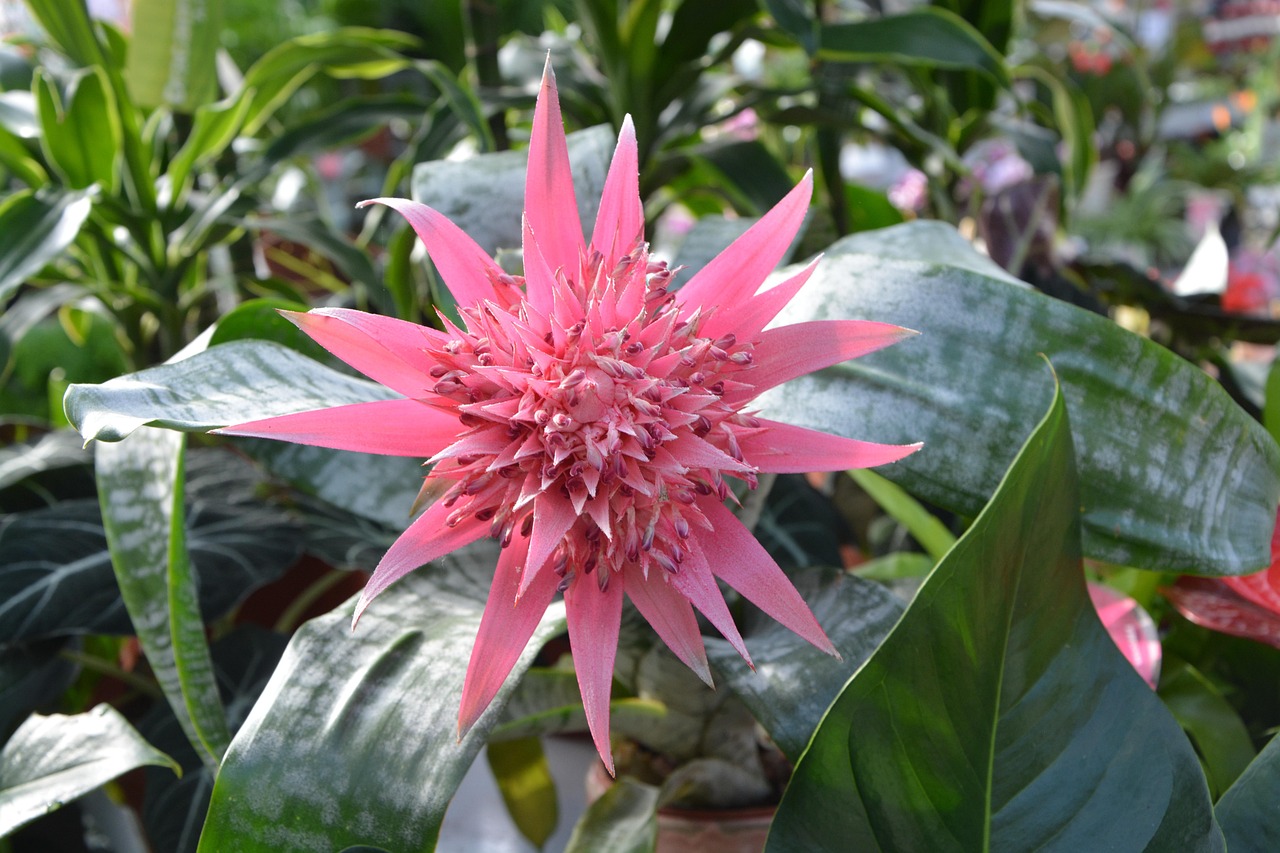

Maintaining the health of a silver vase plant requires a vigilant eye for the subtle signs of pests and pathogens that can affect epiphytic species. While these plants are generally robust, the unique structure of their central urn can sometimes harbor unwanted visitors or fungal issues. Early detection is the most important factor in successfully treating any problem before it compromises the plant’s structural integrity. This guide provides professional insights into identifying and managing the most common threats to your bromeliad collection.
The most frequent pests encountered on silver vase plants are scale insects and mealybugs, which thrive in the tight crevices of the leaf bases. Scale insects appear as small, hard, brown or tan bumps that attach themselves firmly to the leaf surface to suck out the sap. Mealybugs, on the other hand, look like tiny tufts of white cotton and are often found hidden deep within the rosette. Both pests can weaken the plant over time and cause the leaves to turn yellow or become distorted.
Fungal and bacterial infections are the second major category of concern, often manifesting as rot in the roots or the central crown. Because the plant naturally holds water in its center, it is particularly susceptible to crown rot if the water becomes stagnant or contaminated. You will notice the center leaves turning brown and mushy, and in severe cases, they may even pull out easily from the base. Maintaining hygiene in the reservoir is the primary defense against these invisible but deadly pathogens.
Environmental stress can also lead to physiological disorders that may look like diseases but are actually signs of improper care. Leaf spots, tip burn, and overall wilting are often the result of poor water quality, extreme temperature fluctuations, or incorrect light levels. Before jumping to chemical treatments, it is always wise to evaluate the plant’s growing conditions and make necessary adjustments. A stressed plant is much more likely to fall victim to actual pests and diseases than a thriving one.
Managing common insect infestations
If you discover scale insects on your silver vase plant, the first step is to isolate the specimen from the rest of your collection. These pests can spread quickly, and early quarantine is essential for protecting your other indoor plants. You can remove individual scales by gently scraping them off with a fingernail or a soft toothbrush dipped in rubbing alcohol. For more widespread infestations, an application of horticultural oil or insecticidal soap can be very effective when used according to the label instructions.
More articles on this topic
Mealybugs require a similar approach but are often harder to reach because they hide deep within the leaf axils. Use a cotton swab soaked in isopropyl alcohol to dab the visible bugs, which kills them instantly on contact. You may need to repeat this process several times over a few weeks to catch any newly hatched individuals or those that were missed initially. Be thorough and check the underside of every leaf, as even a few survivors can quickly restart the colony.
Spider mites are another occasional pest, especially in homes with very low humidity and dry air. These microscopic arachnids cause the leaves to look dusty or speckled with tiny yellow dots, and you may see fine webbing in the leaf crevices. Increasing the humidity around the plant and giving the leaves a thorough wash with lukewarm water can often dislodge the mites. Persistent cases may require a dedicated miticide, but improving the environment is usually the best long-term solution.
Always test any insecticidal treatment on a small, inconspicuous part of a leaf before applying it to the entire plant. Bromeliads can be sensitive to certain chemicals, and the silver scales on the leaves can be damaged by harsh sprays. It is better to use the mildest effective treatment first and only move to stronger chemicals if the infestation persists. Consistency and patience are your best allies when dealing with insect pests on your silver vase plant.
Combatting fungal and bacterial rot
Crown rot is the most serious threat to the survival of a silver vase plant and requires immediate action to stop its progression. If you notice a foul smell coming from the center or see the core turning black, empty the reservoir immediately and let it dry out for a few days. You can use a diluted solution of hydrogen peroxide or a specialized fungicide to treat the affected area and kill the pathogens. Improving air circulation and ensuring you use clean, fresh water in the future are the best ways to prevent a recurrence.
More articles on this topic
Root rot occurs when the potting medium stays too wet, depriving the roots of the oxygen they need to function. The leaves may start to look wilted or limp even if there is water in the central tank, as the damaged roots can no longer support the plant’s structure. If you suspect root rot, remove the plant from its pot and trim away any brown, mushy roots with sterilized scissors. Repot the plant in a fresh, well-draining orchid mix and be much more conservative with your watering schedule.
Leaf spot diseases can be caused by various fungi that thrive in humid environments with poor air movement. These appear as circular or irregular brown spots, often with a yellow halo, on the broad surfaces of the silver leaves. To manage this, remove the most heavily affected leaves and treat the rest of the plant with a copper-based fungicide. Keeping the leaves dry when watering and providing better ventilation will significantly reduce the risk of fungal spores taking hold.
Prevention is always better than cure when it comes to the complex world of plant pathogens. Wash your hands and sterilize your tools before working on your plants to avoid introducing bacteria or fungi from other sources. Keep the area around your pots clean and free of fallen leaves or other decaying organic matter that could harbor disease. A clean growing environment is the foundation of a healthy and long-lived silver vase plant collection.
Recognizing and treating physiological disorders
Sometimes a plant looks sick not because of a pest or a germ, but because it is reacting to its physical environment. Leaf tip burn is a common issue that is usually caused by the buildup of salts from hard water or excessive fertilization. While it may look like a fungal infection, the lack of a spreading pattern or mushy tissue usually points to a chemical cause. Flush the potting medium with large amounts of distilled water to wash away excess salts and improve the plant’s health.
Sudden leaf drop or the collapse of the entire rosette can be a sign of cold damage if the temperature has dipped too low. The silver vase plant is tropical and cannot tolerate frost or even temperatures near freezing for any length of time. If your plant has been exposed to the cold, move it to a warm, stable spot immediately and avoid overwatering while it tries to recover. Damaged leaves will not heal, so you will have to wait for new growth to emerge from the center or the base.
If the silver dusting on the leaves starts to look patchy or disappears, it is often a sign of physical abrasion or incorrect light. While this doesn’t directly kill the plant, it makes the foliage more vulnerable to sunburn and reduces its aesthetic appeal. Ensure that the plant is not in a high-traffic area where it is frequently touched or brushed against by passing people. Once the trichomes are rubbed off, they do not grow back, so careful handling is essential for maintaining the silver look.
Nutrient deficiencies can cause the leaves to turn unusual colors, such as a deep purple or a very pale yellow. This usually happens when the plant has been in the same potting medium for too long without any supplemental feeding. A very light application of a balanced bromeliad fertilizer can often correct these color issues within a few months. Understanding these non-biological stresses allows you to provide the precise care your silver vase plant needs to thrive.
Developing a preventive maintenance routine
The best way to keep your silver vase plant free of diseases and pests is to establish a regular inspection and cleaning schedule. Spend a few minutes every time you water to look closely at the new growth and the underside of the leaves. Catching a single mealybug or a small fungal spot early is much easier than treating a full-blown infestation later. Use a magnifying glass if necessary to get a clear view of the tight areas where pests like to hide.
Keep your growing area well-organized and avoid overcrowding your plants, as this allows for better air circulation and easier monitoring. If you bring a new plant into your home, always quarantine it for at least two weeks before placing it near your established collection. This simple step can prevent the introduction of pests or diseases that might not be immediately visible on a new specimen. A cautious approach to plant acquisition will save you a lot of trouble in the long run.
Cleanliness extends to the water you use and the containers you choose for your silver vase plant. Always use clean, fresh water for the central reservoir and avoid letting it sit long enough to become stagnant or cloudy. If you reuse pots, scrub them thoroughly with a bleach solution to kill any lingering pathogens before planting a new specimen. These small habits create a professional-level environment where your tropical plants can truly flourish.
Finally, trust your intuition as a gardener; if a plant doesn’t look right, there is usually a reason behind it. Don’t be afraid to ask for advice from other enthusiasts or consult professional resources if you encounter a problem you can’t identify. Gardening is a continuous learning process, and every challenge you overcome makes you a more skilled and observant grower. With the right knowledge and a proactive attitude, your silver vase plant will stay healthy and beautiful for years.