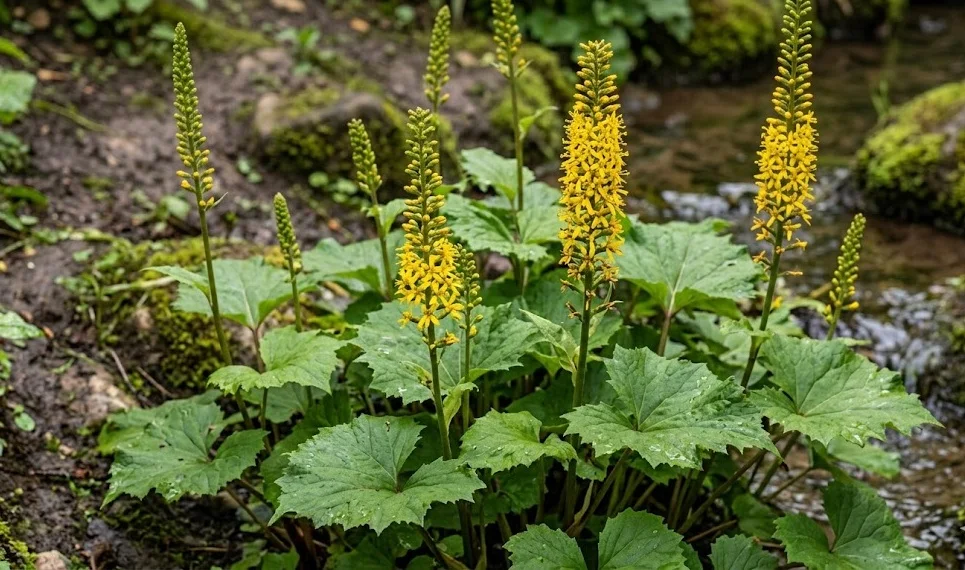

Protecting the narrow-spiked ligularia from biological threats is an essential part of maintaining a pristine garden display. Because this plant thrives in the same moist, shaded conditions that many pests and pathogens enjoy, it is naturally susceptible to certain issues. The large, succulent leaves are particularly attractive to grazing insects, while the high humidity can foster fungal growth. A professional gardener stays ahead of these problems through regular inspection and proactive cultural practices.
Slugs and snails are undoubtedly the most common and destructive pests for this specific variety. They are drawn to the cool, damp environment under the large leaves and can quickly turn a beautiful specimen into a tattered mess. You will often see irregular holes in the foliage or silver slime trails left behind as they move through the garden at night. Early detection is vital because a large population can cause significant damage in just a few days.
Fungal diseases like powdery mildew can also become an issue during the humid days of late summer. This typically appears as a white, dusty coating on the surface of the leaves, which can eventually lead to premature browning. While it rarely kills the plant, it significantly detracts from the visual appeal and can weaken the specimen over time. Improving air circulation by not overcrowding your plants is the best way to prevent this from occurring.
Root rot is a potential threat if the soil becomes completely waterlogged and lacks oxygen for extended periods. While the plant loves moisture, it cannot survive in anaerobic conditions where the roots begin to decay. You might notice the plant wilting even when the soil is wet, which is a classic sign of root failure. Ensuring proper soil structure with plenty of organic matter allows for the necessary drainage even in a damp site.
Managing slug and snail populations
Controlling slugs and snails requires a multi-faceted approach that goes beyond simple chemical applications. Many professionals prefer to use physical barriers or traps to reduce the population without harming beneficial wildlife. Copper tape around the base of pots or specialized garden beds can act as a deterrent that these pests are reluctant to cross. Beer traps are another traditional and effective method for capturing these nocturnal invaders.
More articles on this topic
Regularly clearing away debris and dead leaves from the base of the plant removes the hiding spots that slugs use during the day. By keeping the area around the crown clean, you force them to travel further and expose themselves to predators. Encouraging natural enemies like toads, frogs, and ground beetles into your garden can provide a long-term biological solution. These animals are highly effective at keeping pest numbers under control in a balanced ecosystem.
If the infestation is severe, you might consider using organic slug pellets made from iron phosphate. These are generally considered safe for birds and pets while effectively stopping the slugs from feeding on your plants. It is best to apply these pellets in the evening after a light rain when the pests are most active. A thin scattering is usually all that is needed to protect the most vulnerable foliage.
Manual removal is also a very effective, if somewhat time-consuming, way to manage the problem. Going out into the garden with a flashlight after dark allows you to pick the pests directly off the leaves. This is the most direct way to ensure that your prize specimens are protected during their peak growth phase. Consistently reducing the population in the spring can prevent a massive outbreak later in the summer.
Identifying and treating fungal issues
Powdery mildew is the most likely fungal culprit to affect the foliage of your perennials in shaded areas. It thrives when the nights are cool and damp while the days are warm and dry, creating the perfect environment for spores. You can often manage a mild case by simply removing the most affected leaves and disposing of them in the trash. Do not put diseased foliage in your compost pile, as the spores can survive and re-infect the garden later.
More articles on this topic
To prevent fungal outbreaks, always try to water at the base of the plant rather than from above. Keeping the leaf surfaces dry is the most effective way to stop spores from germinating on the plant. If you must use a sprinkler, do it early in the morning so the sun can dry the leaves quickly. Good spacing between plants is also essential to allow the wind to move through the foliage and lower the local humidity.
Natural sprays made from diluted milk or baking soda have been used by gardeners for generations to treat mild fungal infections. These solutions change the pH on the leaf surface, making it less hospitable for the fungus to grow. For more persistent problems, organic fungicides containing sulfur or neem oil can be applied according to the label instructions. Always test a small area first to ensure the plant does not have a negative reaction to the treatment.
In some cases, the plant may develop leaf spots caused by various bacteria or other fungi. These usually appear as small, dark circles that may have a yellow halo around them. Like mildew, these are best managed through good sanitation and by ensuring the plant is not under stress from drought. A healthy, well-fed plant is much better at resisting infections than one that is struggling with its environment.
Preventive measures for the garden
The best way to deal with any pest or disease is to prevent it from ever becoming a problem in the first place. This starts with buying healthy plants from reputable nurseries and inspecting them closely before they enter your garden. Look for any signs of eggs, insects, or unusual spots on the foliage that could be carried into your beds. Quarantining new additions for a week or two is a professional practice that can save a lot of trouble later.
Maintaining optimal growing conditions is your primary defense against all biological threats. A plant that is receiving the perfect amount of water, light, and nutrients will have a much stronger immune system. Stress is often the trigger that allows a minor issue to turn into a full-scale infestation or disease outbreak. By pampering your perennials, you are making them much less attractive to the organisms that feed on weakened life.
Crop rotation and diversity in the garden also help prevent the buildup of specific pests and pathogens. If you plant the same species in the same spot for decades, the soil can become a reservoir for problems. Mixing different types of plants together breaks up the visual and chemical signals that pests use to find their favorite food. A diverse garden is a more stable environment where no single problem can easily take over.
Finally, at the end of every season, perform a thorough cleanup of the garden beds. Removing old stalks and dead leaves takes away the overwintering sites for many pests and fungal spores. This “reset” ensures that you start the next spring with a clean slate and a lower risk of recurring issues. Professional garden maintenance is as much about what you take away as it is about what you put in.
Recovery and plant health
If your plant does suffer from a significant pest attack or disease, do not despair, as these perennials are quite resilient. Even if you have to cut away a large portion of the foliage, the energy stored in the thick roots will allow it to regrow. Provide extra water and a light feeding to help the plant recover from the stress of the loss. With a little extra care, a damaged specimen can often look as good as new within a single growing season.
After a disease outbreak, it is a good idea to refresh the mulch around the base of the plant once the problem is under control. This covers any spores that may have fallen onto the soil and provides a clean environment for new growth. Check the health of the surrounding plants as well, as many issues can spread quickly through a crowded shade garden. Early intervention in the surrounding area can stop a localized problem from becoming a garden-wide crisis.
Monitor the new growth closely for any signs that the previous issue is returning. Sometimes a second wave of pests can emerge once the plant starts to put out fresh, tender leaves. Stay diligent with your inspections and be ready to act if you see any familiar symptoms. Consistency in your monitoring is the only way to ensure that the recovery phase is successful and permanent.
In the long run, dealing with these challenges makes you a more observant and skilled gardener. You will begin to notice the subtle signs of trouble long before they become obvious to the casual observer. This “gardener’s eye” is a professional trait that comes only through experience and a genuine care for the plants. Every challenge is an opportunity to learn more about the complex ecosystem that exists within your own backyard.