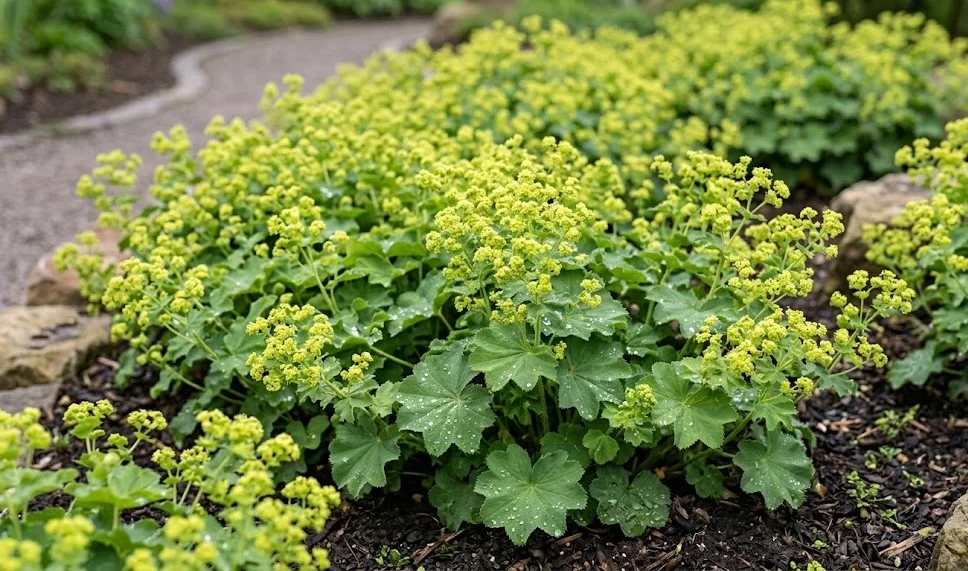

Maintaining a healthy garden involves a constant awareness of the various biological threats that can affect your perennials. While the lady’s mantle is relatively robust, it is not entirely immune to the pressures of pathogenic fungi and hungry insect visitors. A professional gardener must be skilled in identifying the early symptoms of distress and knowing the most effective and sustainable ways to respond. This comprehensive article explores the common diseases and pests that you might encounter and provides an expert framework for managing these challenges effectively.
Prevention is always the most effective strategy when it comes to managing the health of your landscape plants. You should focus on creating an environment that favors the plant’s natural defenses while making life difficult for potential invaders. This includes providing proper spacing for air circulation, maintaining soil health, and practicing good garden hygiene at all times. By taking these proactive steps, you can significantly reduce the likelihood of a major outbreak that requires more aggressive and potentially harmful interventions.
When a problem does arise, you must be able to diagnose it accurately to ensure that your treatment is both effective and appropriate. You should take the time to inspect your plants closely, looking at both the upper and lower surfaces of the leaves and the base of the stems. Many pests and diseases have very specific signs, such as particular types of spotting or characteristic patterns of leaf damage. Accurate identification allows you to choose the most targeted and least disruptive solution for the specific issue at hand.
The modern approach to pest and disease management emphasizes the use of integrated strategies that prioritize biological and mechanical controls. You should only turn to chemical remedies as a last resort, as these can often have unintended negative consequences for beneficial insects and overall soil health. Learning to work with nature, rather than against it, is the hallmark of an expert and responsible horticulturist. This guide will help you build a toolkit of sustainable practices that keep your lady’s mantle looking its best while supporting a healthy and diverse garden ecosystem.
Identifying common pathogens
Fungal diseases are the most frequent health issues you will encounter when growing perennials in temperate and humid climates. You should watch for the appearance of powdery white spots on the leaves, which is a classic sign of a widespread fungal infection. Another common pathogen causes small, dark spots that can eventually merge and lead to the premature death of the foliage. Identifying these symptoms early is critical because fungal spores can spread rapidly through wind and splashing water, potentially infecting your entire garden.
More articles on this topic
The physical environment of your garden beds plays a major role in the development and spread of these microscopic pathogens. You must ensure that your plants have enough space between them to allow for the free movement of air, which helps to keep the leaves dry. Fungi thrive in stagnant, humid air and on surfaces that remain wet for extended periods, especially during the overnight hours. By managing the microclimate around your plants, you are removing the primary conditions that these diseases need to establish themselves.
Soil-borne pathogens can also affect the health of your perennials, often targeting the root system and the crown of the plant. You should be concerned if you notice a general decline in the plant’s vigor that cannot be explained by watering or nutrient issues. If the base of the plant feels soft or exhibits an unusual odor, it may be suffering from a fungal rot that is attacking the structural tissues. These types of problems are often linked to poor drainage or over-watering, making them a direct reflection of your environmental management.
Understanding the lifecycle of common plant pathogens will help you time your interventions for maximum effectiveness and minimal disruption. Many fungi overwinter in the soil or on fallen plant debris, waiting for the right temperature and moisture levels to reappear in the spring. You can break this cycle by practicing thorough autumn cleanup and removing any infected material from the garden entirely. This simple mechanical control is one of the most powerful tools in your professional arsenal for maintaining a disease-free landscape over many years.
Managing powdery mildew
Powdery mildew is one of the most recognizable and common issues that can affect the beautiful pleated leaves of the lady’s mantle. You will notice a fine, flour-like substance covering parts of the foliage, which can eventually lead to distorted growth and a loss of aesthetic quality. This fungus does not usually kill the plant, but it can significantly weaken it and make it more susceptible to other stressors. Managing this problem requires a combination of cultural adjustments and, if necessary, the application of safe and effective remedies.
More articles on this topic
The development of powdery mildew is often linked to a specific set of weather conditions, typically warm days followed by cool, humid nights. You should be particularly vigilant during the late summer months when these patterns are most common in many regions. Increasing the air circulation around your plants by thinning out surrounding vegetation can help to lower the humidity at the leaf surface. This simple change in the environment can often be enough to stop the fungus from spreading and allow the plant to outgrow the infection.
If the infection becomes severe, you can use a variety of organic and biological treatments to manage the spread of the spores. You might try a simple solution of milk and water, which has been shown in many studies to be an effective natural fungicide for powdery mildew. Alternatively, potassium bicarbonate or specialized horticultural oils can be used to coat the leaves and prevent the fungus from attaching. These treatments should be applied regularly during the risk period to provide continuous protection for the developing foliage.
Regularly removing and destroying the most heavily infected leaves is another important mechanical control for managing powdery mildew in a small garden. You should avoid putting this material in your compost pile, as the heat may not be sufficient to kill the fungal spores, allowing them to return to the garden later. By consistently reducing the amount of inoculum in the environment, you make it much harder for the disease to reach epidemic levels. This proactive approach keeps your perennials looking clean and healthy without the need for harsh synthetic chemicals.
Controlling invasive insects
While the lady’s mantle is not the primary target for many common garden pests, it can occasionally be visited by insects that cause visible damage. You should look for small holes in the leaves or chewed edges, which might indicate the presence of slugs, snails, or certain types of beetles. Aphids can also cluster on the tender new growth or the undersides of the leaves, sucking the sap and potentially transmitting viral diseases. Detecting these visitors early allows you to take action before their populations grow large enough to cause significant aesthetic or physiological harm.
Slugs and snails are often the most persistent pests for this perennial, as they love the damp, shaded environment beneath the dense canopy of leaves. You can manage these creatures by removing their hiding spots, such as large stones or excessive piles of damp mulch, from the immediate area. Creating barriers with crushed eggshells or copper tape can also help to protect individual plants from being reached by these slow-moving invaders. If the problem persists, you might consider using organic baits that are safe for pets and wildlife but effective at controlling the mollusk population.
Aphid infestations are usually more of a nuisance than a serious threat, but they can make the leaves look sticky and unattractive. You can often control these small insects by simply knocking them off the plant with a strong stream of water from your garden hose. Encouraging natural predators like ladybugs and lacewings into your garden is a more sustainable long-term solution for managing aphid numbers. By creating a diverse and balanced ecosystem, you are allowing nature to handle many of your pest control needs with minimal human intervention.
Professional pest management also involves understanding the seasonal timing of different insect life cycles in your specific region. You should know when the peak activity for common pests is expected and be ready to step up your monitoring during those periods. Keeping a garden journal of when you first see certain insects will help you predict and prepare for their arrival in future years. This knowledge allows you to be more targeted in your responses and reduces the need for broad-spectrum interventions that could harm beneficial species.
Natural and biological remedies
The shift toward sustainable horticulture means that you have more options than ever for managing garden health without relying on synthetic chemicals. You can utilize the power of beneficial microbes by applying compost teas or specialized biological fungicides that contain competing bacteria. These products work by colonizing the leaf surface and making it difficult for pathogenic fungi to gain a foothold. This approach is not only effective but also helps to build a more resilient and biologically diverse environment in your flower beds.
Botanical extracts, such as neem oil or garlic spray, can be used to deter many common pests and inhibit the growth of certain fungal diseases. You should apply these treatments in the late evening to avoid harming bees and other pollinators that are most active during the daylight hours. While these natural remedies may require more frequent application than synthetic options, they are much safer for the gardener and the surrounding ecosystem. Mastering the use of these botanical tools is a hallmark of the modern and responsible professional horticulturist.
Encouraging a healthy population of birds, toads, and beneficial insects is one of the best biological controls you can implement in your garden. You can provide habitat features like birdhouses, small water sources, and diverse plantings to attract these natural pest-controllers to your yard. A single toad can eat hundreds of slugs and insects in a season, providing you with a free and highly effective pest management service. This holistic view of the garden as a living system is at the heart of the most successful and beautiful landscapes.
Finally, you should always consider the health of the soil as the primary driver of the plant’s natural immune system. You can use mycorrhizal inoculants to help the roots establish a symbiotic relationship with beneficial fungi that improve nutrient and water uptake. A plant that is well-nourished and correctly hydrated is much better equipped to resist and recover from any pest or disease challenges. By focusing on these fundamental biological building blocks, you are creating a garden that is naturally strong and requires very little in the way of external remedies.
Preventative maintenance cycles
Success in managing garden health is built upon a foundation of regular, disciplined maintenance tasks that prevent problems before they start. You should make it a habit to walk through your garden daily, observing the state of each plant and noting any small changes in their appearance. This consistent attention allows you to catch issues in their very earliest stages when they are easiest to manage. A professional attitude toward monitoring is the most important tool you have for maintaining a spectacular and healthy landscape.
Sanitation is a critical part of your preventative routine and should be practiced throughout the entire growing season. You must promptly remove any dead or diseased foliage from the garden and dispose of it correctly to prevent the spread of pathogens. Cleaning your tools after working with an infected plant is also essential for preventing cross-contamination between different areas of your landscape. These small, daily actions add up to a significant reduction in the overall disease pressure within your garden environment.
The timing of your watering and fertilization also plays a key role in the long-term health and resistance of your perennials. You should avoid over-fertilizing with nitrogen, which can lead to lush but weak growth that is more vulnerable to both pests and diseases. Watering correctly at the base of the plant keeps the foliage dry and removes one of the primary requirements for fungal development. By aligning your basic care routines with the biological needs of the plant, you are providing the best possible defense against any potential threats.
End-of-season cleanup is perhaps the most important preventative task you will perform each year to ensure a healthy start for the following spring. You should cut back the spent foliage after the first hard frost and remove any accumulated debris that could harbor overwintering pests or pathogens. Applying a fresh layer of clean mulch can help to insulate the soil and prevent the spores of many diseases from reaching the plant’s crown. This seasonal cycle of care ensures that your garden remains a vibrant and healthy space year after year, with minimal disruption from external biological pressures.