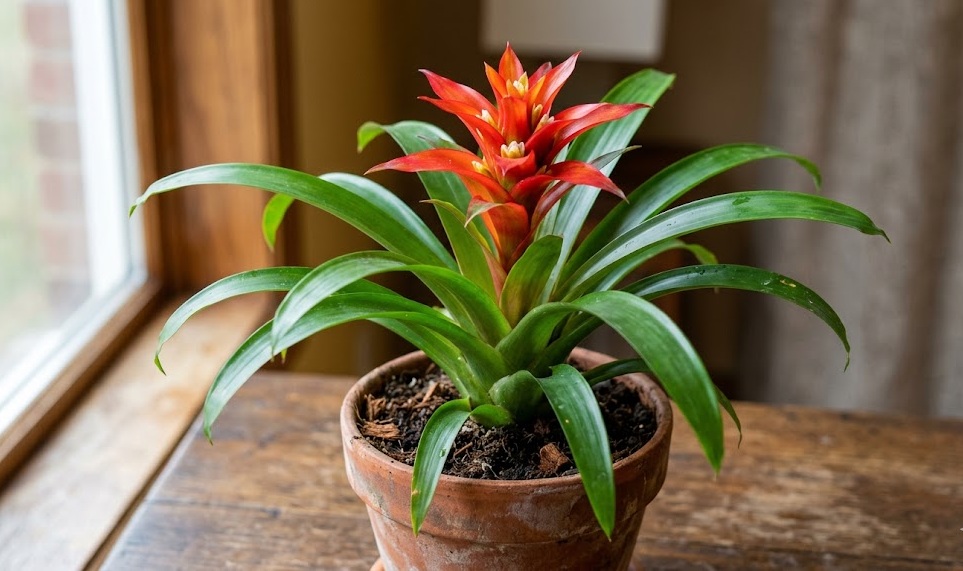

Protecting your guzmania bromeliad from diseases and pests is a critical skill for any serious indoor gardener or professional horticulturist. While these plants are generally robust and resilient, they can fall victim to specific issues if their environmental needs are not consistently met. Early identification and a structured response are the best ways to prevent a minor infestation or infection from becoming a fatal problem. By maintaining a clean growing area and monitoring your plants regularly, you can keep your tropical collection in peak condition.
Fungal infections are among the most common diseases that affect bromeliads, often as a result of excessive moisture or poor air circulation. Crown rot is particularly dangerous, as it attacks the center of the plant where the water is stored and the new leaves emerge. You may notice the central leaves turning brown or black and pulling away easily from the rest of the rosette. To prevent this, always ensure the water in the tank is fresh and that the plant has adequate ventilation around its foliage.
Leaf spot is another fungal issue that can manifest as unsightly brown or yellow circles on the surface of the green leaves. These spots can spread quickly if the environment remains overly humid and the foliage stays wet for long periods without drying. If you see these symptoms, you should immediately reduce misting and improve the air movement in the room to stop the spread. Removing the most heavily affected leaves with sterilized shears can also help contain the infection before it reaches the core.
Bacterial soft rot can also occur, especially in warmer conditions where the water in the central tank has become stagnant for too long. This disease often produces a foul odor and causes the tissues of the plant to become mushy and disintegrated. Prevention is much more effective than treatment in this case, so regular flushing of the central cup is a professional necessity. If a plant is severely affected by bacterial rot, it is often best to dispose of it to protect the rest of your collection.
Identifying and managing common insect pests
Scale insects are a frequent problem for many indoor plants, including guzmania, and they can be difficult to spot at first. These small, flat pests often look like tiny brown or tan bumps on the undersides of the leaves or along the stems. They feed by sucking the sap from the plant, which can lead to yellowing foliage and a general decline in the plant’s overall vigor. You can remove them by gently scraping them off or by using a cotton swab dipped in rubbing alcohol to dissolve their protective shells.
More articles on this topic
Mealybugs are another common pest that can hide in the tight crevices at the base of the leaves where they are protected from sight. These insects are easily identified by the white, cottony masses they produce as they feed on the plant’s juices. If left untreated, a large infestation can cause the leaves to become distorted and may eventually lead to the death of the specimen. Regularly inspecting the base of the rosette and the undersides of the leaves is the best way to catch these pests early.
Spider mites can also be an issue, particularly in environments where the air is very dry and there is little natural air movement. These tiny pests are often too small to see with the naked eye, but their presence is revealed by fine webbing on the foliage. The leaves may also take on a stippled or dusty appearance as the mites feed on the individual plant cells. Increasing the humidity through regular misting and washing the leaves with a gentle stream of water can help eliminate these pests.
For more significant infestations, you may need to use an organic insecticidal soap or a neem oil solution to control the population. Always test any treatment on a small, inconspicuous area of a single leaf before applying it to the entire plant to check for sensitivity. Apply these treatments in the evening when the light is low to prevent the oil from burning the foliage under direct sunlight. Consistency is key, so you may need to repeat the application every week for several weeks to ensure all life stages of the pests are eliminated.
Preventing physiological disorders and environmental stress
Not all issues with your bromeliad are caused by pathogens or insects; some are the result of environmental factors or improper care. Leaf tip burn is a common physiological disorder that is often caused by low humidity or the use of water with high mineral content. While it is not a disease, it can significantly detract from the aesthetic beauty of your plant and indicates that adjustments are needed. Increasing the frequency of misting and switching to filtered water are usually the best ways to resolve this particular problem.
More articles on this topic
Bleaching or scorching of the leaves can occur if the plant is moved too quickly into a position with intense, direct sunlight. These white or pale patches are permanent damage to the leaf tissue and will not turn green again even after the plant is moved. You should always introduce your guzmania to higher light levels gradually over the course of a week to allow it to acclimate. Providing a sheer curtain to diffuse the light can also prevent this type of environmental stress from occurring in the first place.
Salt buildup in the substrate can also lead to issues that mimic certain diseases, such as yellowing leaves or stunted growth. This occurs over time as minerals from water and fertilizers accumulate in the potting mix and damage the sensitive roots. You should flush the potting medium with large amounts of pure water several times a year to wash away these harmful deposits. Keeping the substrate fresh and well-drained is a professional habit that prevents many of these invisible issues from developing.
Temperature stress can cause the plant to stop growing or even drop its flower buds before they have a chance to fully open. If the environment is too cold, the plant’s metabolic processes slow down significantly, making it more susceptible to rot and other opportunistic infections. Conversely, extreme heat combined with low humidity can cause the plant to wilt and lose its structural integrity very quickly. Maintaining a stable, moderate temperature is one of the best ways to keep your guzmania resilient against all types of stress.
Implementing a professional sanitation routine
Maintaining a clean growing environment is the first and most effective line of defense against both diseases and pests. You should always use sterilized tools when pruning or propagating your plants to prevent the transfer of pathogens from one specimen to another. Simply wiping your shears with a solution of seventy percent rubbing alcohol between uses can make a huge difference in long-term health. A clean workspace is the hallmark of a professional approach to indoor gardening and tropical plant care.
Removing dead or decaying organic matter from the base of the plant and the surface of the soil is also essential. Fallen leaves or spent flower parts can provide a hiding place for pests and a starting point for fungal growth in a humid environment. By keeping the pot tidy, you reduce the opportunities for problems to establish themselves and make it easier to spot issues during your regular inspections. A well-maintained plant is not only more beautiful but also much more likely to stay healthy over the long term.
Quarantining new additions to your collection is a vital step that many home gardeners overlook, often with disastrous results. When you bring a new guzmania home, keep it separated from your other plants for at least two to three weeks to monitor for hidden issues. This allows any pests or diseases that may have been present at the store to manifest without spreading to your established plants. Once you are certain the new specimen is clean and healthy, you can safely integrate it into your main display area.
Finally, regular inspection of your plants should be a scheduled part of your weekly routine rather than an occasional activity. Take the time to look closely at the central tank, the leaf undersides, and the base of the plant where it meets the soil. Catching a problem when it only affects one leaf is much easier than trying to save a plant that is entirely infested or rotting. Your powers of observation are the most powerful tools you have for maintaining a successful and vibrant indoor tropical garden.
Long term health monitoring and recovery strategies
If your guzmania does fall ill or becomes infested, do not be discouraged, as many issues can be resolved with prompt and correct action. The first step is always to isolate the affected plant to prevent the problem from spreading to the rest of your collection. Once isolated, you can perform a thorough diagnosis and begin the appropriate treatment based on the specific symptoms you have observed. Patience is required, as plants often take several weeks or even months to show significant signs of recovery after being treated.
During the recovery period, you should provide the plant with optimal conditions to help it regain its strength and rebuild its natural defenses. This might mean increasing the humidity slightly or providing a more consistent light source than it had previously. Avoid fertilizing a sick plant, as the added nutrients can sometimes stress the system further rather than helping it heal. Focus instead on providing clean water and fresh air to support the plant’s internal biological recovery processes.
In some cases, if the mother plant is too heavily damaged by rot or pests, your goal may shift to saving the offsets or pups. Even if the main rosette is failing, the pups at the base may still be healthy enough to be separated and grown as new individuals. Treat these young plants with extra care and perhaps a preventative organic fungicide to ensure they do not carry the problem forward. This allows you to preserve the lineage of your plant even if the original specimen cannot be saved.
Reflecting on why a problem occurred is a professional way to improve your gardening skills and prevent similar issues in the future. Was the humidity too low, or did the water in the tank stay stagnant for too long during a heatwave? By understanding the root cause of the disease or infestation, you can adjust your care routine and create a more resilient environment for all your plants. This commitment to continuous learning is what ultimately leads to a thriving and disease-free tropical garden in your home.