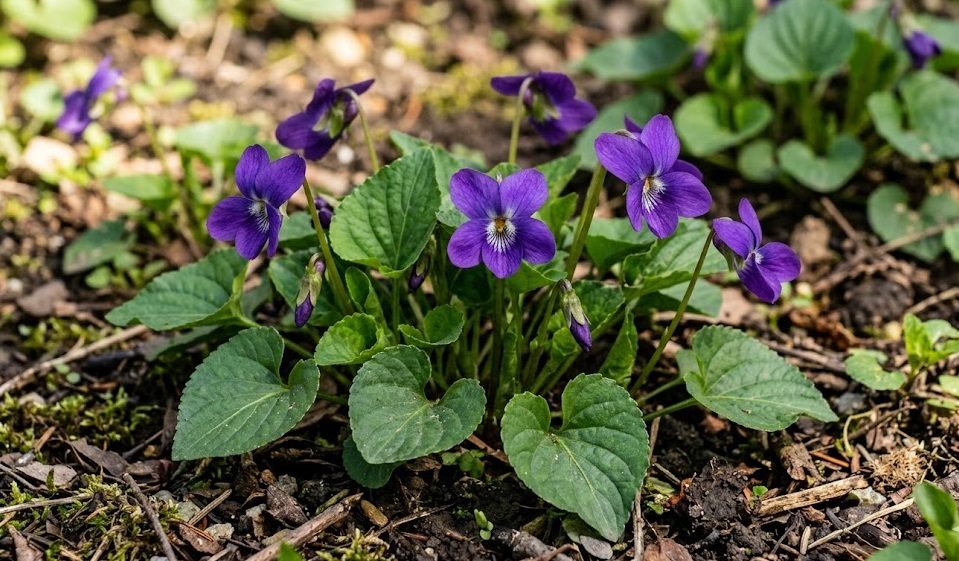

Protecting the common blue violet from various biological threats is a task that requires both vigilance and a commitment to sustainable garden practices. While these plants are generally robust, they are not immune to the challenges posed by fungal pathogens and hungry insects. You should aim to create a garden environment that favors the health of the plant while discouraging the buildup of pest populations. By catching issues early and using targeted interventions, you can ensure that your violets remain a beautiful and healthy part of your landscape for many years to come.
Common fungal and bacterial pathogens
Powdery mildew is one of the most frequent fungal issues you will encounter, especially during humid summer months or in gardens with poor air circulation. It appears as a white, dusty coating on the surface of the leaves, which can eventually cause them to yellow and drop prematurely. You can minimize the risk by ensuring your violets are not overcrowded and by avoiding overhead watering that leaves the foliage wet for long periods. If the infection becomes severe, an organic fungicide like neem oil or a potassium bicarbonate spray can help control the spread.
Leaf spot diseases, caused by various fungi or bacteria, manifest as small brown or black circular lesions on the foliage. These spots can eventually merge, leading to larger dead areas and a general decline in the plant’s aesthetic appeal. To manage this, you should remove and dispose of any heavily infected leaves as soon as you notice them to prevent the spores from spreading. Keeping the area under the plants clear of old, decaying leaf litter will also reduce the overwintering sites for these pathogens.
Root rot and crown rot are serious conditions that usually arise from excessively wet soil or poor drainage during the cooler months. You will notice the plant wilting even when the soil is moist, and the base of the stems may feel mushy or appear discolored. Preventing these issues starts with choosing the right planting site and ensuring the soil is well-draining and rich in organic matter. If a plant is already showing signs of advanced rot, it is best to remove it entirely and improve the drainage before replanting in that spot.
Rust is another fungal disease that can occasionally affect violets, appearing as small orange or yellow pustules on the undersides of the leaves. While it rarely kills the plant, a heavy infection can weaken the colony and make the foliage look unsightly. Similar to other fungal issues, increasing air flow and reducing leaf wetness are the primary means of prevention and control. If you have persistent problems with rust, consider moving the plants to a slightly drier or breezier location in your garden.
More articles on this topic
Insect infestations and their management
Aphids are small, soft-bodied insects that cluster on the tender new growth and the undersides of the leaves to suck out the plant’s juices. You will see them as tiny green, black, or red specks, and their feeding can cause the leaves to become distorted or curled. A strong blast of water from a garden hose is often enough to dislodge them and reduce their numbers without the need for chemicals. For more persistent infestations, an application of insecticidal soap or neem oil is usually very effective at controlling the population.
Spider mites are nearly microscopic pests that thrive in hot, dry conditions and can quickly cause the violet leaves to look stippled or bronzed. You might also notice very fine webbing between the stems or on the undersides of the foliage if the infestation is heavy. Because they love dry air, keeping the area around your violets properly hydrated and occasionally misting the plants can help deter them. If they become a major problem, using a specialized miticide or regularly applying neem oil can bring them under control.
Slugs and snails are perhaps the most visible pests, as they leave large, ragged holes in the leaves and telltale slimy trails across the ground. They are most active at night or during rainy weather and love the cool, damp environment where violets often grow. You can manage them by removing their hiding places, such as large rocks or thick piles of un-shredded leaves, from near the plants. Setting out beer traps or using organic slug pellets containing iron phosphate are safe and effective ways to protect your violets from these mollusks.
Cutworms and various beetle larvae may occasionally feed on the roots or the base of the stems, causing the plant to collapse suddenly. These pests are often found in the soil and can be difficult to spot until the damage has already been done. You can discourage them by keeping the soil healthy and encouraging natural predators like ground beetles and birds in your garden. If you find these larvae while digging or dividing your plants, simply remove them by hand and dispose of them to prevent further issues.
More articles on this topic
Physical damage and environmental stressors
While not biological pests in the traditional sense, environmental factors can cause damage that looks very similar to disease or insect feeding. Leaf scorch occurs when the plants are exposed to too much direct sun or high winds, causing the edges of the leaves to turn brown and crispy. This is a sign that the plant is losing water faster than its roots can replace it, and it can be corrected by providing more shade or better wind protection. Mulching the area around the plants also helps by keeping the roots cool and the soil moisture more consistent.
Hail and heavy rain can physically tear the broad leaves of the violet, leaving them looking tattered and worn. While the plant will eventually recover and grow new leaves, the damaged foliage can become an entry point for various pathogens. You should carefully trim away any severely mangled leaves to improve the plant’s appearance and reduce the risk of secondary infections. Over time, the new growth will fill in the gaps, and the plant will return to its former beauty without any long-term ill effects.
Compacted soil is a common stressor in high-traffic areas or in gardens with heavy clay that hasn’t been properly amended. When the soil is too tight, the roots cannot get enough oxygen, leading to stunted growth and a general lack of vigor. You might see the plants becoming smaller and less productive over several seasons as the soil settles and hardens. Periodically loosening the soil around the edge of the violet colony and adding more organic matter can help alleviate this pressure and encourage healthier growth.
Salt damage can be an issue if your violets are planted near a sidewalk or driveway where de-icing salts are used during the winter. The salt can accumulate in the soil and burn the roots, leading to stunted growth and scorched leaf tips in the spring. If you suspect salt buildup, flushing the area with large amounts of fresh water in the early spring can help wash the excess minerals away. Choosing a planting site that is protected from direct runoff from treated surfaces is the best way to prevent this type of environmental damage.
Natural remedies and integrated pest management
Integrated Pest Management (IPM) is a professional approach that focuses on long-term prevention and uses the least toxic methods first. You should start by ensuring your violets are as healthy as possible, as vigorous plants are much better at resisting both pests and diseases. This includes providing the right amount of light, water, and nutrients for the specific location in your garden. By monitoring your plants regularly, you can catch small problems before they escalate into major infestations that require intensive treatment.
Encouraging beneficial insects is a cornerstone of a natural pest control strategy for any woodland garden. Ladybugs, lacewings, and hoverflies are all voracious predators of aphids and other small sap-sucking insects. You can attract these “garden heroes” by planting a variety of flowering species nearby that provide them with pollen and nectar throughout the season. Minimizing the use of broad-spectrum insecticides will ensure that these natural enemies can thrive and keep your pest populations in balance.
Homemade sprays can be a cost-effective and gentle way to deal with minor pest or disease issues on your violets. A simple solution of one tablespoon of baking soda and a few drops of liquid soap in a gallon of water can help prevent powdery mildew. For soft-bodied insects, a mixture of mild dish soap and water sprayed directly on the pests is often all that is needed. Always test any homemade remedy on a small, inconspicuous part of the plant first to make sure it doesn’t cause any unexpected damage to the leaves.
Neem oil is one of the most versatile organic tools available to the gardener, acting as both an insecticide and a fungicide. It is derived from the seeds of the neem tree and works by disrupting the life cycle of many common pests without harming most beneficial insects. You can use it as a preventative spray during times of high disease pressure or as a direct treatment for active infestations of mites or aphids. Because it is biodegradable and has low toxicity to mammals, it is a great choice for use in home gardens.
Chemical controls and when to use them
Resorting to synthetic chemical pesticides should be a last resort, used only when other methods have failed and the survival of the plant is at stake. If you decide to use a chemical treatment, it is vital that you correctly identify the pest or disease first to ensure you are using the right product. Always read and follow the label instructions exactly, paying close attention to application rates and safety precautions. Using more than the recommended amount will not work better and can actually harm your plants and the surrounding environment.
Systemic insecticides are products that are absorbed by the plant and move through its tissues, providing long-term protection from feeding insects. While effective, they can also be harmful to pollinators if the plant is in bloom when the chemical is present in the nectar or pollen. If you must use a systemic product, try to apply it after the violets have finished their primary spring flowering period. This minimizes the risk to bees and butterflies while still providing protection against mid-summer pests like leafhoppers or scale.
Fungicides are most effective when used as a preventative measure rather than a cure for an existing infection. Once a leaf is heavily covered in mildew or spots, the fungicide can only stop the spread to new growth, not fix the damaged tissue. If you have a history of certain fungal issues in your garden, you might consider a preventative application during particularly wet or humid periods. Choose products that are labeled specifically for use on ornamental perennials to ensure they are safe for your violets.
Environmental responsibility is a key consideration whenever you are dealing with garden chemicals. You should avoid spraying on windy days to prevent the product from drifting onto non-target plants or into your neighbor’s yard. Be mindful of nearby water sources, as many pesticides are toxic to aquatic life if they wash into storm drains or ponds. By being a careful and informed steward of your garden, you can maintain the health of your violets while also protecting the broader ecosystem.