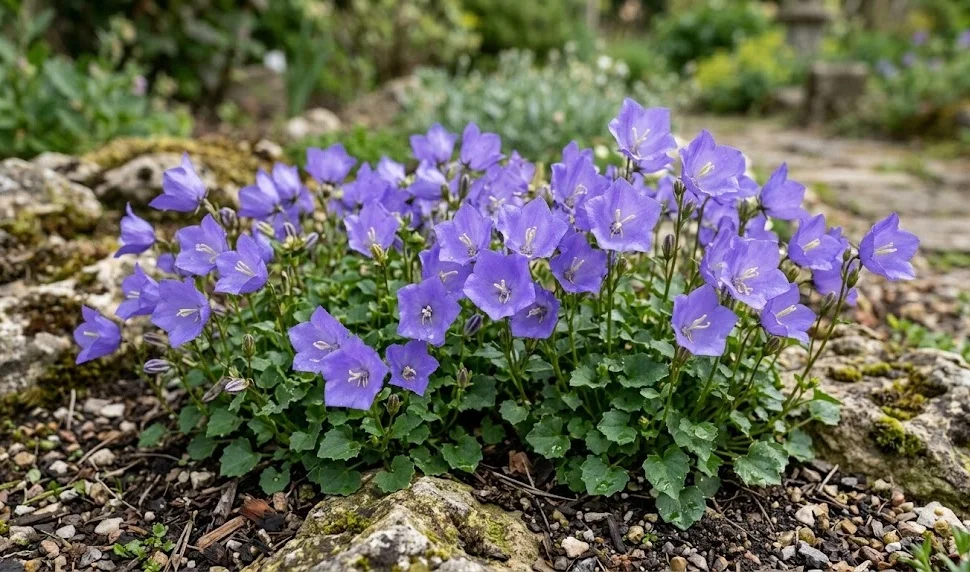

Protecting these perennials from biological threats requires a proactive approach that combines regular inspection with targeted intervention. While generally robust, they can fall victim to various fungal issues and hungry garden pests that can quickly mar their delicate appearance. A professional gardener knows that prevention is always better than cure, and maintaining plant health is the first line of defense. By understanding the common enemies of these flowers, you can keep your garden vibrant and healthy throughout the year.
Fungal diseases are often the result of environmental factors like poor air circulation or excessive moisture on the leaves. These issues can manifest as spots, powdery coatings, or even root rot if the soil conditions are not ideal. Identifying the specific type of fungus is crucial for choosing the correct treatment and preventing its spread to other plants. Many fungal problems can be managed simply by adjusting how and when you water your garden.
Pests, ranging from microscopic aphids to larger gastropods like slugs and snails, find the tender foliage and flowers of these plants quite attractive. These visitors can cause physical damage that weakens the plant and makes it more susceptible to secondary infections. Monitoring your plants for signs of nibbled leaves or distorted growth allows you to catch infestations early. Professional pest management often involves a combination of mechanical removal, barriers, and organic treatments.
The key to successful plant protection is consistency and a keen eye for detail during your regular garden rounds. Catching a problem in its earliest stages often means you can resolve it with minimal effort and without the use of harsh chemicals. A healthy, well-sited plant is much better at resisting both diseases and pests than one that is already stressed. This chapter will delve into the specific threats you may encounter and the best professional ways to handle them.
Identifying and treating fungal issues
Powdery mildew is one of the most common fungal problems, appearing as a white, flour-like dusting on the leaves and stems. It typically thrives in warm, humid conditions where air movement is restricted around the base of the plant. While it rarely kills the plant, it can significantly weaken it and reduce the quality of the blooms. Improving spacing between plants and ensuring they are in a sunny enough spot can often prevent this issue from recurring.
More articles on this topic
Leaf spot is another frequent fungal visitor, characterized by small, dark circular patches that can eventually cause the foliage to turn yellow and drop. This disease is often spread by splashing water, which is why watering at the base of the plant is so important. If you notice infected leaves, remove and destroy them immediately to prevent the spores from spreading to healthy tissue. In severe cases, an organic copper-based fungicide can be used to protect the remaining growth.
Rust is a less common but more persistent fungal disease that appears as orange or brown pustules on the underside of the leaves. Like other fungi, it favors damp environments and can over-winter on fallen plant debris in the garden. Keeping the area clean and removing any suspicious-looking foliage is the best way to manage rust without heavy intervention. Professional gardeners often look for rust-resistant varieties if this is a recurring problem in their specific local climate.
Root rot is perhaps the most serious threat, as it often goes unnoticed until the entire plant begins to collapse. It is caused by waterlogged soil that prevents the roots from breathing, allowing soil-borne pathogens to take hold. If you suspect root rot, you must act quickly to improve drainage or move the plant to a drier location. Unfortunately, once the main root system has turned black and mushy, the plant is often beyond saving and should be removed to protect neighbors.
Managing slugs and snails
Slugs and snails are perhaps the most persistent pests for any low-growing perennial with tender, succulent leaves. They are most active at night or during damp, overcast weather, leaving behind telltale silvery slime trails and large holes in the foliage. Because these plants form dense mounds, they provide the perfect cool, moist hiding spots for these gastropods during the heat of the day. A major infestation can completely strip a young plant of its leaves in just a few nights.
More articles on this topic
The first step in controlling these pests is to reduce their hiding places by keeping the garden tidy and free of unnecessary debris. You can also use physical barriers like copper tape or crushed eggshells around the base of particularly prized specimens. Hand-picking at dusk with a flashlight is an effective, albeit time-consuming, method for keeping populations under control. This direct approach is often more successful in small gardens than relying on broad-spectrum treatments.
Beer traps are a classic organic method that uses the scent of yeast to lure slugs and snails away from your plants. Simply bury a small container so the rim is level with the soil and fill it halfway with beer; the pests will crawl in and drown. This is a safe and effective way to manage the problem without introducing toxins that might harm birds or other beneficial wildlife. Remember to empty and refill the traps regularly, especially after heavy rainfall.
For more severe problems, organic slug pellets based on iron phosphate are a professional choice that is safe for pets and the environment. These pellets disrupt the pests’ feeding habits, causing them to retreat to their burrows and perish without leaving a mess. Always apply these products sparingly and only where the damage is actively occurring to maintain a balanced garden ecosystem. By staying vigilant, you can protect your bellflowers from becoming a midnight snack for the local slug population.
Dealing with aphids and mites
Aphids are tiny, sap-sucking insects that can appear in large numbers on the new growth and flower buds of your plants. They cause the leaves to curl and distort, and they can also transmit viral diseases between different plants in your garden. You might also notice a sticky substance called honeydew on the leaves, which can lead to the growth of unsightly sooty mold. Fortunately, aphids are relatively easy to manage if caught before their numbers explode.
A strong stream of water from a garden hose is often enough to knock aphids off the plants and disrupt their feeding. This mechanical control should be repeated every few days until the infestation has been cleared. For more stubborn cases, an insecticidal soap or a diluted solution of neem oil can be sprayed directly onto the pests. These organic treatments work by suffocating the insects without leaving harmful residues on the foliage or harming larger beneficial bugs.
Spider mites are much smaller than aphids and are often only noticed when fine webbing begins to appear between the leaves. They thrive in hot, dry conditions and suck the juices from the plant, causing the leaves to take on a stippled, yellowed appearance. Increasing the humidity around the plants and ensuring they are well-watered can help deter these pests. If a treatment is necessary, horticultural oils are very effective at smothering the mites and their eggs.
Encouraging natural predators is one of the best long-term strategies for managing these small insect pests. Ladybugs, lacewings, and hoverflies are all excellent allies that will feast on aphids and mites throughout the growing season. By avoiding the use of broad-spectrum chemical pesticides, you allow these beneficial insects to thrive and do the work for you. A diverse garden with a variety of flowering plants will naturally attract these helpful garden protectors.
Preventing and treating root rot
Root rot is a devastating condition that is almost always a result of poor cultural practices rather than a simple lack of luck. It occurs when the soil stays saturated for extended periods, depriving the roots of the oxygen they need to function. In this weakened state, the roots become vulnerable to various soil fungi that eventually cause them to decay. The plant will appear wilted despite the soil being wet, which is a classic and tragic sign of the disease.
The best prevention for root rot is to ensure your bellflowers are planted in well-draining soil from the very beginning. If you have heavy clay, the addition of grit, sand, and organic matter is essential to create a structure that allows water to move through. Planting on a slight mound or in a raised bed can also provide the necessary elevation to keep the crown and upper roots dry. Proper site selection is the most effective tool in your professional gardening toolkit.
If you catch the problem early, you may be able to save the plant by lifting it and trimming away any diseased roots. Healthy roots should be firm and white, while rotted ones will be dark, soft, and often have a foul smell. After pruning back the dead tissue, replant the specimen in fresh, well-draining soil and be extremely careful with your watering routine. It may take some time for the plant to recover and begin producing new growth.
In some cases, the soil itself may become contaminated with the pathogens that cause root rot, making it difficult to grow similar plants in that spot. If you lose a plant to rot, it is wise to replace a portion of the surrounding soil or choose a different, more moisture-tolerant species for that location. Understanding the limitations of your garden’s drainage will help you make better decisions and avoid the frustration of losing plants to this preventable issue.
Integrated pest management strategies
Integrated Pest Management (IPM) is a professional philosophy that combines multiple methods to manage garden health with minimal environmental impact. It starts with careful observation and moves through a hierarchy of interventions, starting with the least invasive. By using cultural, mechanical, and biological controls first, you create a more resilient and balanced garden ecosystem. This approach recognizes that a few bugs are a natural part of any healthy garden and don’t always require action.
Cultural control involves selecting the right plant for the right place and providing the best possible care to keep it strong. A healthy bellflower is much less likely to be overwhelmed by pests or succumb to disease than one that is struggling with poor light or soil. Mechanical controls include things like hand-picking slugs, washing off aphids with water, or using physical barriers. These methods are targeted and don’t harm the many beneficial organisms living in your soil and foliage.
Biological control focuses on supporting the “good guys” in your garden, such as predatory insects and birds that eat common pests. By providing habitat and avoiding toxic chemicals, you enlist a small army of helpers that work around the clock. This natural balance is the hallmark of a professionally managed landscape that works with nature rather than against it. Over time, your garden will become a self-regulating system that requires less and less human intervention.
When all else fails and a pest or disease threatens the survival of a plant, targeted organic treatments can be used as a last resort. Always choose the most specific product for the problem and follow the application instructions exactly to avoid unintended consequences. By following the principles of IPM, you ensure that your care for the carpathian bellflower is both effective and environmentally responsible. This holistic view is what defines a truly expert approach to modern horticulture.