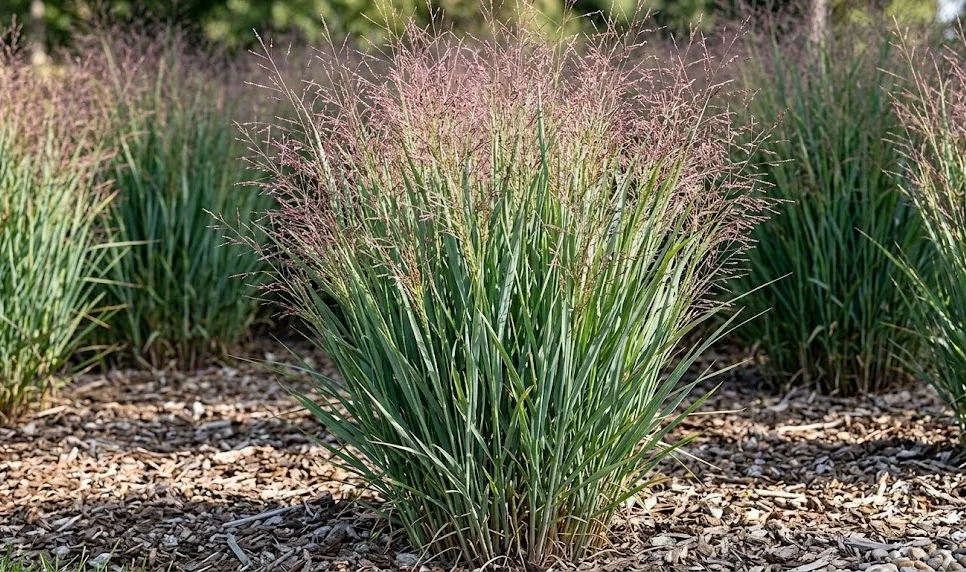

Maintaining the health of switchgrass involves a proactive approach to identifying and managing the various biological challenges it may face. While this species is remarkably robust and generally suffers from fewer problems than many other ornamental plants, it is not entirely immune to issues. A professional gardener must be able to recognize the early signs of distress, whether they are caused by fungal pathogens or insect activity. By understanding the conditions that favor these problems, you can implement cultural and physical controls that keep your plants thriving throughout the season.
Common fungal and foliar diseases
One of the most frequent issues encountered with switchgrass is the development of rust, a fungal disease characterized by small, orange to brown pustules on the leaves. This problem often appears in late summer or early autumn when the humidity is high and air circulation is limited. While a minor infection is mostly an aesthetic concern, a severe case can weaken the plant and cause the foliage to die back prematurely. Improving spacing between plants is one of the best ways to reduce the humidity levels that favor rust development.
Leaf spot is another fungal condition that can affect the appearance of the foliage, manifesting as small, dark spots with yellow halos. These spots can coalesce, leading to larger patches of dead tissue and a generally unthrifty appearance for the plant. Leaf spot is most common during periods of prolonged wet weather or when overhead irrigation is used frequently. Keeping the foliage dry by watering at the base of the plant is a simple and effective preventative measure.
Smut is a less common but more dramatic fungal issue that can affect the seed heads of the grass, turning them into masses of black spores. This condition can prevent the plant from producing viable seeds and can be unsightly in an ornamental setting. If smut is identified, the affected seed heads should be removed and disposed of before the spores have a chance to spread. This problem is more common in certain agricultural varieties but can occasionally appear in garden cultivars.
Root and crown rot are serious issues that can occur if the plant is grown in soil that remains consistently saturated or poorly drained. Symptoms include yellowing of the foliage, stunted growth, and a general decline in the plant’s vigor. In severe cases, the entire clump may die as the root system fails to function properly. Ensuring that the site has adequate drainage and avoiding over-watering are the primary defenses against these devastating soil-borne diseases.
More articles on this topic
Identification and management of insect pests
While switchgrass is not a preferred host for many common garden pests, it can occasionally attract certain insects that may cause noticeable damage. Aphids are sometimes found on the tender new growth in the spring, sucking the sap and causing the leaves to curl or turn yellow. In most cases, natural predators like ladybugs and lacewings will keep aphid populations in check without any intervention. If the infestation becomes severe, a strong stream of water can be used to knock the insects off the plant.
Grasshoppers are among the most common insects to feed on the foliage of switchgrass, especially during hot, dry summers. Their feeding usually results in ragged edges on the leaves, which is mostly an aesthetic issue unless the population is extremely high. Because switchgrass is so vigorous, it can usually tolerate a significant amount of grasshopper damage without any long-term health effects. Monitoring the surrounding area for large numbers of these insects can help you anticipate potential damage.
Stem borers are a more insidious pest that can cause individual stems to wilt and die back as the larvae tunnel through the center of the stalk. This damage is often noticed in mid-summer when a single brown stem appears in an otherwise green and healthy clump. While borers are rarely a threat to the entire plant, they can detract from its overall appearance. Removing and destroying the affected stems is the best way to manage this pest and prevent the larvae from completing their life cycle.
Spider mites may become a problem during periods of intense heat and drought, particularly if the plant is located in a very sheltered or dusty area. These tiny pests live on the undersides of the leaves and cause a fine, silvery stippling effect as they feed on the plant cells. Increasing the humidity around the plant or providing supplemental water can help discourage mite activity. Regular inspections of the foliage will help you catch these tiny invaders before they cause significant discoloration.
More articles on this topic
Preventative measures and cultural controls
The foundation of a professional pest and disease management strategy is the implementation of sound cultural practices. Selecting disease-resistant cultivars is the first and most important step in ensuring a healthy and low-maintenance planting. Many modern ornamental varieties have been bred specifically for their ability to resist common issues like rust and leaf spot. Researching the specific characteristics of a variety before purchasing can save a significant amount of time and effort in the long run.
Proper site selection and plant spacing are critical for maintaining a healthy environment that is less conducive to disease. Plants that are crowded together experience reduced air movement, which allows moisture to linger on the foliage for longer periods. This creates the perfect microclimate for fungal spores to germinate and infect the plant tissue. By following recommended spacing guidelines, you ensure that the plants have the room they need to dry out quickly after rain or dew.
Maintaining optimal soil health through proper watering and minimal fertilization also plays a role in disease prevention. A plant that is stressed by either too much or too little water is more susceptible to attack by both pests and pathogens. Similarly, over-fertilized plants often produce soft, lush growth that is easily penetrated by insects and fungi. A balanced approach to care results in a sturdier plant with a stronger natural defense system.
Sanitation is another key component of cultural control that involves removing potential sources of infection from the garden. Cleaning up fallen debris and cutting back dead foliage in the spring helps to eliminate overwintering sites for pests and diseases. If a plant does become infected, prompt removal of the damaged parts can help prevent the problem from spreading to healthy tissues. Using clean, sharp tools for pruning and division also reduces the risk of introducing pathogens into the plant.
Integrated management and treatment strategies
When a problem does arise, a professional approach involves using the least invasive methods first before considering more aggressive treatments. Physical controls, such as hand-picking pests or pruning out diseased stems, are often sufficient for managing minor issues. These methods are targeted and do not have the negative environmental impacts associated with broad-spectrum chemicals. Observation and early detection are the most important factors in making these simple treatments effective.
Biological controls, which involve encouraging or introducing natural enemies of pests, are a sustainable way to manage insect populations. Creating a diverse garden environment with a variety of flowering plants will attract beneficial insects like hoverflies and parasitic wasps. These natural predators provide a constant and effective service in keeping pest numbers below damaging levels. This ecological approach to gardening reduces the need for external inputs and promotes a healthier overall system.
If a fungal disease like rust becomes a recurring and significant problem, the use of organic fungicides may be considered as a last resort. These products should be applied according to the manufacturer’s instructions and only when the environmental conditions favor disease development. It is important to remember that fungicides are most effective as preventatives rather than cures for existing infections. Targeted applications can help protect the aesthetic value of the plant during particularly challenging weather.
Developing a long-term management plan involves keeping records of which issues occur and under what conditions they appear. This information allows you to anticipate future problems and adjust your care routines accordingly. For example, if rust always appears after a particularly wet July, you might prioritize thinning out the clumps in the spring to improve airflow. Constant learning and adaptation are the hallmarks of a professional approach to plant health.
Long term resilience and plant health
The ultimate goal of managing pests and diseases is to foster a resilient plant that can thrive with minimal human intervention. Switchgrass is naturally a very hardy species, and most healthy plants will recover quickly from minor setbacks. By focusing on the overall vigor of the grass, you ensure that it has the resources needed to overcome challenges as they arise. A holistic view of the garden as an interconnected system will lead to the best results for your switchgrass.
Encouraging a healthy soil microbiome is a vital but often overlooked aspect of long-term plant health and resilience. Beneficial fungi and bacteria in the soil can help protect the roots from pathogens and improve the plant’s ability to take up nutrients. Avoiding the use of harsh synthetic chemicals that can harm these soil organisms is a key part of professional soil management. Healthy soil truly is the foundation upon which a healthy and beautiful garden is built.
As the garden matures, the balance between pests and their natural enemies often becomes more stable, leading to fewer outbreaks. Patience is required as this ecological balance establishes itself over several growing seasons. During this time, the role of the gardener is to provide support and intervene only when necessary to prevent significant damage. This hands-off approach often leads to the most successful and sustainable landscape displays.
In conclusion, while switchgrass can face a variety of challenges, none of them are insurmountable with a bit of knowledge and attention. By combining resistant varieties, proper cultural care, and targeted treatments, you can enjoy the beauty of this grass year after year. It remains one of the most reliable and trouble-free choices for modern landscapes and agricultural projects alike. A professional perspective on health management ensures that your switchgrass remains a vibrant and healthy part of your outdoor space.