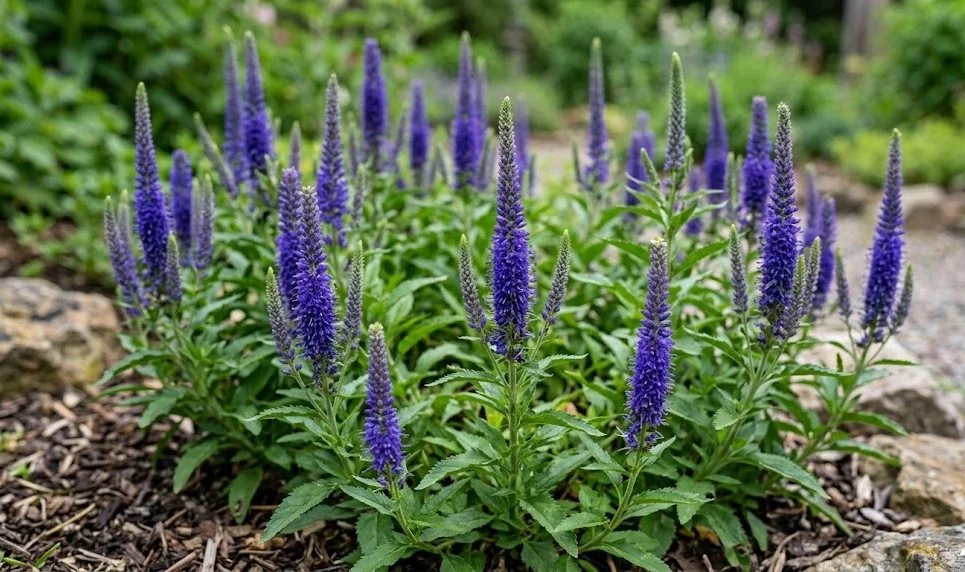

Protecting spiked speedwell from the various diseases and pests that can affect its growth is a continuous responsibility for every dedicated gardener. While this species is relatively hardy, it is not entirely immune to the challenges of the natural world, especially in certain climates or soil conditions. You must develop a proactive strategy that emphasizes prevention and early detection to keep your plants looking their best throughout the entire season. A professional approach involves understanding the common threats and knowing the most effective ways to manage them without causing harm to the ecosystem.
Fungal diseases are perhaps the most common issue you will face, particularly in regions with high humidity or frequent summer rainfall. These pathogens often thrive on wet foliage or in crowded garden beds where air circulation is limited between the individual plant stems. By implementing proper watering techniques and spacing your plants correctly, you can significantly reduce the risk of infection in your garden. Early identification of fungal spots or powdery residues is the first step toward a successful and effective treatment plan.
Insects and other pests can also target the tender new growth or the beautiful flower spikes of the spiked speedwell during the spring and summer. Some pests are merely a cosmetic nuisance, while others can cause more serious damage by weakening the plant’s structure or spreading viral diseases. You should aim to use organic or integrated pest management strategies that protect beneficial insects like bees and ladybugs while targeting the harmful ones. Maintaining a healthy balance of life in your garden is the most sustainable way to manage pest populations over the long term.
Regular monitoring and a deep understanding of the plant’s natural defenses will help you keep your collection of perennials in peak condition year after year. You should be prepared to intervene when necessary, but also know when to let nature take its course and allow beneficial predators to do the work for you. Professional gardening is about being a keen observer of the tiny details that make up the health of a plant and its surrounding environment. With the right knowledge, you can ensure that your spiked speedwell remains a healthy and vibrant part of your landscape.
Identifying fungal pathogens
Powdery mildew is one of the most frequently encountered fungal issues for spiked speedwell, appearing as a white, dusty coating on the leaves and stems. This disease usually thrives in warm, humid conditions when the air is still and the foliage remains damp for extended periods of time. You might notice that infected leaves begin to curl or turn yellow as the fungus drains the plant’s energy and blocks out the sunlight. If left untreated, a severe case of powdery mildew can significantly reduce the vigor and aesthetic appeal of your garden display.
More articles on this topic
Downy mildew is another potential threat, though it is often mistaken for other issues because it manifests as yellow or brown spots on the upper surface of the leaves. Underneath these spots, you might find a gray or purple mold-like growth during periods of high humidity or heavy morning dew. This pathogen is particularly dangerous because it can spread quickly through water splashes from rain or overhead irrigation systems. Recognizing the distinct patterns of downy mildew is essential for choosing the correct fungicide or management strategy to protect your plants.
Root rot is a hidden fungal disease that occurs beneath the soil surface, often as a result of poor drainage or excessive watering in heavy clay soils. You might first notice that the plant looks wilted or yellow despite the soil being wet, which is a classic sign that the roots are no longer functioning properly. If you suspect root rot, you may need to dig up the plant and inspect the roots for a mushy texture and a dark, unpleasant smell. Improving the soil structure and adjusting your watering habits are the only long-term solutions for preventing this devastating and often fatal condition.
Leaf spot diseases are caused by various fungi and appear as small, dark circles with light centers on the foliage of the spiked speedwell. These spots can eventually merge together, causing large portions of the leaf to die and drop off prematurely during the growing season. While minor infections are often just a cosmetic issue, widespread leaf spot can weaken the plant and make it more susceptible to other stressors. Removing and disposing of infected leaves is a simple but effective way to limit the spread of these common fungal pathogens in your garden beds.
Managing common garden pests
Aphids are small, soft-bodied insects that often congregate on the tender new growth and flower buds of the spiked speedwell in early summer. These pests suck the sap from the plant, which can lead to distorted leaves and a sticky residue known as honeydew that attracts ants and sooty mold. You can often manage a small population of aphids by simply washing them off the plant with a strong stream of water from your garden hose. For more persistent infestations, using an insecticidal soap or neem oil is a professional and environmentally friendly way to control these common garden invaders.
More articles on this topic
Spider mites are another pest to watch out for, especially during hot and dry spells when these tiny arachnids thrive on the undersides of the foliage. They are often too small to see with the naked eye, but you might notice fine webbing between the stems and a stippled or bleached appearance on the leaves. These pests can quickly deplete the plant’s moisture and energy, leading to significant stress if the population is allowed to grow unchecked throughout the summer. Increasing the humidity around the plants and using predatory mites are effective biological control methods for managing spider mite outbreaks.
Slugs and snails can sometimes target the lower leaves of the spiked speedwell, particularly during wet spring weather or in shaded parts of the garden. They leave behind telltale slime trails and large, ragged holes in the foliage that can detract from the overall beauty of the plant. You can manage these pests by removing garden debris where they like to hide during the day or by using organic slug pellets that are safe for pets and wildlife. Creating a dry barrier of sand or crushed eggshells around the base of the plant can also help deter these slow-moving but hungry garden pests.
Occasional caterpillars may also be found feeding on the leaves of your perennials, although they are rarely a significant threat to the survival of the plant. If you find only a few caterpillars, you can simply move them to another part of the garden where they won’t cause any noticeable damage to your ornamental display. However, if a large number appear and start to defoliate the plant, you might need to use a targeted biological control like Bt (Bacillus thuringiensis). Understanding which pests require action and which can be tolerated is a key part of maintaining a professional and ecological garden.
Integrated management strategies
Integrated Pest Management (IPM) is a professional philosophy that combines multiple strategies to manage pests and diseases with the least possible impact on the environment. You should start with cultural controls, such as choosing the right planting site and providing the best possible care to keep your plants strong and healthy. A vigorous plant is naturally more resistant to attacks from insects and pathogens and can often recover more quickly from any minor damage that does occur. This foundational step reduces the need for more intensive interventions later in the growing season.
Biological controls involve encouraging or introducing natural predators into your garden to keep pest populations at a manageable and balanced level. You can attract ladybugs, hoverflies, and lacewings by planting a variety of flowers that provide them with pollen and nectar throughout the year. These beneficial insects will hunt and eat many of the common pests that target spiked speedwell, such as aphids and small caterpillars. Creating a welcoming habitat for these natural allies is one of the most effective and rewarding parts of professional garden management.
Mechanical controls are simple physical actions you can take to remove pests or diseased material from your garden before the problem has a chance to spread further. This includes hand-picking large insects, pruning away infected stems, and using barriers like netting or copper tape to protect vulnerable plants. You should always use clean and sharp tools when performing these tasks to avoid spreading pathogens from one plant to another in your garden beds. Regular “cleanliness” in the garden is a powerful tool for maintaining a healthy and disease-free environment for all your perennials.
Chemical controls should be used as a last resort and only when other methods have failed to protect the health of your spiked speedwell collection. If you must use a pesticide or fungicide, choose a product that is specifically targeted at the problem and has the lowest possible toxicity to non-target species. You should always read and follow the manufacturer’s instructions carefully to ensure the safety of yourself, your plants, and the surrounding local ecosystem. A professional approach to chemicals is defined by restraint, careful timing, and a focus on long-term sustainability for your garden.
Chemical and organic solutions
When selecting a treatment for a specific pest or disease issue, you have a wide range of organic and chemical options available to you as a modern gardener. Organic solutions like neem oil, potassium bicarbonate, and horticultural oils are often the first choice for professionals because they are effective yet gentle on the environment. These products work through physical contact or by disrupting the life cycles of pests and fungi without leaving harmful residues in the soil or on the plants. Using organic treatments helps to protect the pollinators and soil microbes that are so vital for a healthy and thriving garden.
For more severe or persistent fungal infections like powdery mildew, you might consider using a professional-grade fungicide that contains sulfur or copper. These elements have been used for generations to control plant diseases and are generally considered safe when applied according to the specific directions on the label. It is important to apply these treatments at the first sign of trouble to prevent the fungus from becoming established and spreading to other plants. Consistency in your application schedule is the key to successfully managing disease outbreaks with these traditional organic-mineral solutions.
Synthetic chemical pesticides and fungicides can offer powerful control for difficult problems, but they must be used with extreme caution in a home or professional garden. You should avoid broad-spectrum products that kill everything they touch, as these can destroy the beneficial insect populations that help keep your garden in balance. If a synthetic treatment is necessary, apply it during the early morning or late evening when bees and other pollinators are less active on the flowers. Targeted application to the affected areas only is a hallmark of responsible and professional chemical use in any landscape.
Creating your own simple organic treatments at home can also be an effective way to manage minor issues on your spiked speedwell with minimal cost. For example, a diluted milk spray has been shown to be effective against powdery mildew, while a mild soap and water solution can control many small sap-sucking insects. These “kitchen cupboard” remedies are often surprisingly effective and provide a safe and easy way to care for your plants without specialized equipment. Experimenting with these natural solutions is a great way to deepen your knowledge of plant care and ecological gardening practices.
Prevention and environmental control
The best way to manage pests and diseases is to prevent them from ever becoming a problem in your spiked speedwell garden in the first place. You should prioritize good garden hygiene by removing all fallen leaves and spent flower spikes at the end of each growing season to eliminate overwintering sites for pathogens. This simple autumn cleanup drastically reduces the number of fungal spores and pest eggs that will be present in the garden when spring arrives. Prevention is much easier and more cost-effective than trying to cure a major infestation or infection later in the year.
Proper plant spacing and strategic pruning are essential environmental controls that improve air circulation and reduce humidity within the foliage of your perennials. You want to ensure that air can flow freely between the stems and that sunlight can reach all parts of the plant to help dry out any morning moisture. In dense plantings, the interior of the clump can become a perfect breeding ground for fungi if the air remains stagnant and damp for too long. A professional layout that respects the mature size of the plant is your best defense against many common garden issues.
Managing the environment also involves providing the correct amount of water and nutrition to keep the plant’s natural immune system functioning at its absolute peak. A plant that is well-fed and correctly hydrated is much better equipped to defend itself against attacks from insects and microscopic pathogens. You should avoid over-fertilizing with nitrogen, as this can lead to soft, succulent growth that is particularly attractive to aphids and other sap-sucking pests. Balance is the most important concept to keep in mind when trying to create a resilient and healthy garden environment for your speedwell.
Finally, selecting resistant varieties and inspecting every new plant before you bring it into your garden can help you avoid introducing problems from outside sources. Many modern cultivars of spiked speedwell have been specifically bred for their resistance to powdery mildew and other common regional diseases. You should only buy plants from reputable nurseries and check them thoroughly for any signs of hidden pests or unusual leaf spots before planting them. Taking these extra steps as a professional gardener will save you a lot of time and frustration in the future and keep your garden thriving.