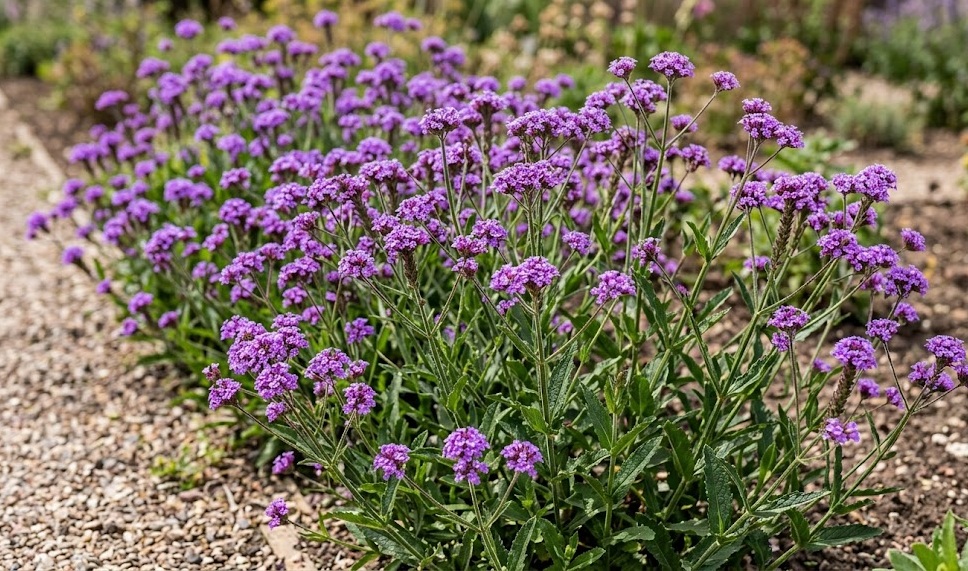

Maintaining the health of purple verbena requires a professional level of vigilance to identify and manage potential diseases and pests. While this plant is generally rugged, it can occasionally fall victim to specific environmental and biological stressors. A proactive approach to plant protection involves understanding the signs of trouble and implementing effective, sustainable solutions. This article provides a comprehensive guide to keeping your plants free from common garden ailments.
Early detection is the most effective tool in any pest or disease management strategy you employ. You should make it a habit to inspect the undersides of leaves and the junctions of stems during your regular garden rounds. Finding a few insects or a small spot of mildew early is much easier to manage than a full-blown infestation. Professional gardeners always prioritize observation as the first line of defense for their landscape.
Maintaining high standards of garden hygiene significantly reduces the chances of pathogens taking hold in your beds. You should remove any fallen leaves or dead plant material that could harbor fungal spores or insect eggs over winter. Cleaning your tools with a mild disinfectant between uses prevents the spread of disease from one plant to another. These simple sanitary practices are a hallmark of professional maintenance and care.
Environmental stress often makes plants more susceptible to attack from both diseases and pests. You must ensure that the plants are well-hydrated and properly nourished to maintain their natural immune systems. A healthy, vigorous plant is much better at resisting infections and recovering from minor insect damage. Focusing on the overall vitality of the garden is a professional way to minimize the need for chemical treatments.
Fungal infections and management
Powdery mildew is one of the most common fungal issues you might encounter with this species, especially in humid conditions. You will notice a white, flour-like coating appearing on the surface of the leaves during late summer. This fungus thrives when there is poor air circulation and high humidity around the foliage. Improving the spacing between plants and avoiding overhead watering can help prevent this unsightly problem.
More articles on this topic
Root rot is a serious condition that occurs when the soil remains saturated for extended periods, suffocating the roots. You might see the plant suddenly wilting and turning yellow even though the soil is visibly wet. Once the roots have begun to decay, it is often very difficult to save the individual specimen. Ensuring excellent drainage is the professional way to prevent this fatal condition from developing in your garden.
Leaf spot diseases can cause small, dark lesions to appear on the foliage, eventually leading to premature leaf drop. You should remove any affected leaves immediately and dispose of them far away from the garden. Avoiding late-evening watering prevents the leaves from staying wet overnight, which is when fungal spores germinate. Consistent monitoring and quick action can keep these infections from spreading throughout the entire colony.
Fungal pathogens often survive in the soil or on plant debris from one season to the next. You can reduce the local population of spores by applying a thin layer of fresh mulch each spring to act as a barrier. If the problem persists, a professional might use a copper-based fungicide or a biological control agent. Always choose the least toxic option first to preserve the health of the wider garden environment.
Common insect pests
Aphids are small, sap-sucking insects that can cluster on the tender new growth of the stems. You might notice the leaves curling or becoming sticky with honeydew, which can then attract black sooty mold. These pests multiply rapidly, so you should address them as soon as they are spotted in the garden. A strong blast of water from a hose is often enough to dislodge them without the need for chemicals.
More articles on this topic
Spider mites can be a problem during hot, dry spells when the plant is under some level of drought stress. You will see fine webbing between the stems and a stippled, pale appearance on the leaves. These tiny arachnids thrive in dusty conditions and can quickly weaken a plant by draining its fluids. Increasing the humidity around the plant and keeping the foliage clean can help deter these persistent pests.
Thrips are another common insect that can damage the flowers and young foliage of the plant. You might see silver streaks or distorted growth as a result of their feeding activities on the plant tissues. These insects are very small and often hide within the flower buds, making them difficult to see at first. Using blue or yellow sticky traps can help you monitor their presence and reduce their numbers professionally.
Whiteflies are small, winged insects that fly up in a cloud when the foliage is disturbed. Like aphids, they suck sap and produce honeydew, which can lead to further secondary infections. You will find them mostly on the undersides of the leaves, where they lay their eggs and feed. Maintaining a population of natural predators like ladybugs or lacewings is a sustainable way to keep these pests under control.
Integrated pest management strategies
The professional approach to pest control involves using a variety of techniques to keep populations at manageable levels. You should prioritize mechanical methods like hand-picking or water sprays before reaching for any type of spray. Understanding the life cycle of the pests allows you to intervene at the most vulnerable stage of their development. This balanced strategy protects the health of the plant while minimizing harm to the environment.
Encouraging beneficial insects into your garden is one of the best ways to manage pests naturally. You can plant a variety of nectar-rich species to attract predatory wasps, hoverflies, and beetles. These natural allies will work around the clock to keep aphid and mite populations in check without your intervention. A professional garden is a complex web of life where balance is maintained through biodiversity.
Biological controls, such as introducing predatory mites or nematodes, can be used for specific and persistent problems. You can purchase these organisms and release them into the garden at the appropriate time of year. This method is highly targeted and does not leave any harmful residues on the plants or in the soil. Using nature’s own solutions is a sophisticated and professional way to handle garden challenges.
Horticultural oils and insecticidal soaps are useful tools for managing soft-bodied insects like aphids and whiteflies. You should apply these products in the evening to avoid leaf burn and to minimize the impact on bees. These treatments work by physical contact and do not have a long-lasting residual effect on the environment. Professional care involves choosing products that are effective yet responsible in their application.
Environmental and abiotic stressors
Nutrient deficiencies can sometimes be mistaken for disease, so you should always check the soil health first. A lack of specific minerals can cause discoloration and distorted growth that looks like a viral infection. You will find that regular soil testing provides the clarity needed to distinguish between a pest and a nutritional issue. Professional diagnosis is the key to choosing the right treatment for your plants.
Salt damage can occur if you live near the coast or if you over-fertilize with synthetic products. You might see the tips of the leaves turning brown and crispy as the salt draws moisture out of the tissues. Flushing the soil with plenty of fresh water can help leach away the excess salts and restore health. Protecting the root zone from chemical stress is an essential part of long-term plant care.
Extreme weather events, such as unseasonable frost or intense heatwaves, can cause physical damage to the plant. You should provide temporary shade or protection during these periods to minimize the impact on the foliage. While the plant is resilient, physical stress can open wounds that allow pathogens to enter more easily. A professional gardener is always prepared to protect their charges from the vagaries of the weather.
Pollution and dust in urban environments can clog the leaves and reduce the plant’s ability to breathe. You might notice the foliage looking dull and less vibrant in areas with high traffic or construction. Regularly rinsing the plants with clean water helps keep them functioning at their best despite the urban challenges. Adapting your care routine to your specific location is a hallmark of professional expertise.
Sustainable health monitoring
Keeping a garden journal allows you to track the appearance of pests and diseases over several years. You will likely notice patterns related to the weather and the timing of certain biological events. This information helps you predict when to be extra vigilant and when to implement preventive measures. A professional approach to gardening is grounded in data and careful observation of the local environment.
Continuous education on new pests and emerging diseases is important for any serious gardener or professional. You should stay informed about regional issues that might affect your landscape in the future. Sharing information with local gardening groups or extension services strengthens the collective knowledge of the community. Professionalism involves a commitment to ongoing learning and the sharing of best practices.
Evaluating the success of your interventions helps you refine your pest management strategy over time. You should note which treatments were most effective and which ones had unexpected side effects. This cycle of observation, action, and reflection leads to a more efficient and healthy garden. Ultimately, the goal is to create a resilient landscape that requires fewer interventions as it matures.
Creating a beautiful and healthy garden is a rewarding process that requires both art and science. You will find that the time spent protecting your purple verbena pays off in a vibrant and lasting display. By following professional standards of care, you can ensure that your garden remains a sanctuary for both plants and people. A healthy garden is a testament to the dedication and skill of the person who cares for it.