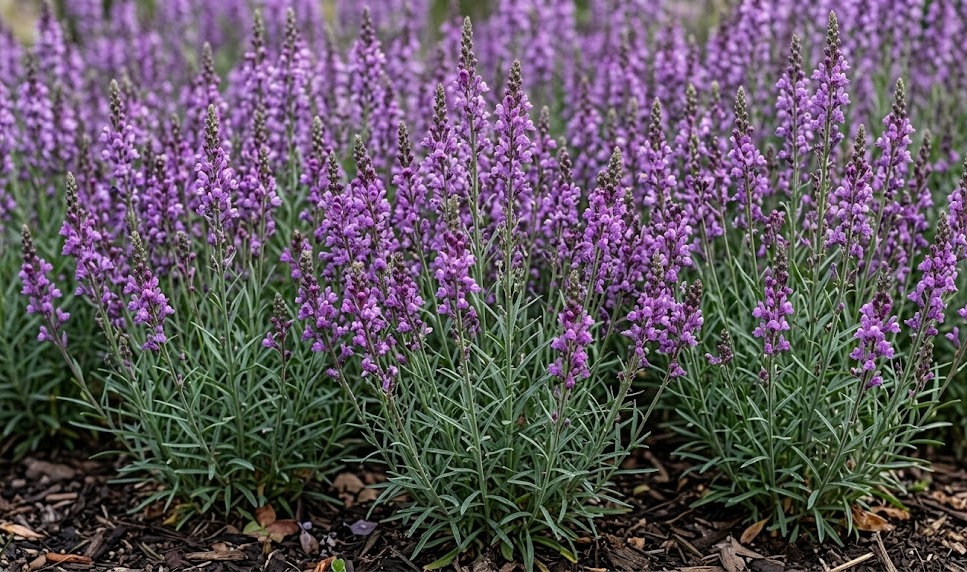

Maintaining the health of purple toadflax involves a proactive approach to identifying and managing the various biological challenges it may face. While this species is generally considered quite robust and resistant to many common garden ailments, it is not entirely immune to issues. A professional gardener must be able to recognize the early signs of distress before they become widespread problems. Understanding the conditions that favor specific pests and diseases is the first step toward creating a resilient and healthy garden environment.
Integrated Pest Management (IPM) is the gold standard for professionals dealing with agricultural and horticultural health issues. This approach prioritizes prevention and the use of mechanical or biological controls over harsh chemical interventions. By fostering a diverse ecosystem in the garden, many potential pest populations can be kept in check by natural predators. Expert care focuses on the long-term stability of the plant’s health rather than just treating visible symptoms.
Environmental stress is often the underlying factor that allows a disease or pest to gain a foothold on a previously healthy plant. Drought, poor soil nutrition, or overcrowding can all weaken the natural defenses of the purple toadflax. Ensuring the plant is growing in its optimal conditions is the most effective way to prevent the majority of health issues. A professional approach always starts with a thorough assessment of the growing environment and the general vigor of the specimens.
Regular scouting and inspection are essential tasks for any serious horticulturist looking to maintain a high standard of display. Taking the time to look closely at the undersides of leaves and the centers of the flowering spikes can reveal hidden problems. Early detection often means that a simple solution, like pruning a single affected stem, can prevent a major outbreak. This level of attention to detail is what defines professional garden management and expert magazine advice.
Common fungal pathogens and their management
Powdery mildew is one of the most frequent fungal issues that can affect the foliage of purple toadflax, especially during humid summer months. It appears as a white, flour-like coating on the surface of the leaves, which can eventually lead to yellowing and premature leaf drop. This fungus thrives in conditions where there is high humidity but relatively dry soil around the roots. Professional management focuses on improving air circulation and ensuring the plant has consistent access to moisture.
More articles on this topic
Rust is another fungal disease that occasionally appears, characterized by small, orange or brown pustules on the undersides of the leaves. It can spread quickly through water splashes during rain or irrigation, making it important to water only at the base of the plant. If rust is detected, the affected foliage should be removed and destroyed immediately to prevent the spores from spreading to neighboring plants. Maintaining a clean garden floor by removing fallen leaves is a vital professional practice for controlling rust.
Root rot can occur if the soil remains saturated for long periods, particularly during the dormant winter months or in heavy clay soils. The first signs are often a general wilting of the plant that does not improve after watering, followed by a darkening of the stem base. Once root rot has taken hold, it can be very difficult to save the plant, making prevention through excellent drainage the only reliable strategy. Professional site preparation is the most effective defense against this devastating soil-borne pathogen.
Botrytis, or gray mold, may affect the flower spikes during particularly wet and cool periods of the growing season. It causes the delicate purple flowers to turn brown and mushy, often covered in a fuzzy gray growth that can spread to the stems. Removing spent flowers and ensuring that the plants are not overcrowded helps to reduce the humidity levels that favor this fungus. Expert gardeners know that a little bit of extra space between plants can go a long way in preventing mold issues.
Insect pests and biological controls
Aphids are common visitors to many garden plants, and purple toadflax is no exception, especially on the tender new growth in spring. These small, sap-sucking insects can cause the leaves to curl and the stems to become distorted if left unchecked. However, in a professional garden, a small number of aphids can often be tolerated as they provide a food source for beneficial insects like ladybugs. If the population becomes too large, a strong blast of water from a garden hose is often enough to dislodge them.
More articles on this topic
Slugs and snails can sometimes target the young shoots of the plant as they emerge from the ground in the early spring. While the tougher, mature foliage is less attractive to these mollusks, the initial growth phase is a vulnerable time. Using barriers like copper tape or crushed eggshells can provide some protection without resorting to chemical baits. A professional approach also involves encouraging natural predators such as frogs, toads, and birds to live in the garden.
Spider mites are microscopic pests that can become a problem during hot, dry spells, often leading to a fine stippling or yellowing of the leaves. They thrive in dusty conditions and can be difficult to see with the naked eye until the damage is already significant. Increasing the humidity around the plants and ensuring they are not drought-stressed can help to discourage these pests. If an infestation is confirmed, using an insecticidal soap or a specialized oil can be an effective professional response.
Whiteflies may occasionally be found on the undersides of the leaves, flying up in a small cloud when the plant is disturbed. Like aphids, they suck the sap from the plant and can excrete a sticky substance known as honeydew, which can lead to the growth of sooty mold. Yellow sticky traps are a useful professional tool for monitoring and reducing the population of adult whiteflies. Keeping the garden free of weeds that might serve as alternative hosts is another key part of an expert control strategy.
Preventive measures and garden hygiene
The importance of using clean, disease-free starting material cannot be overstated when establishing a professional garden collection. Whether buying plants from a nursery or collecting seeds from a friend, a careful inspection should be performed first. Introducing a new pest or disease into an established garden can be a costly and time-consuming mistake to rectify. Professionals always source their plants from reputable suppliers who maintain high standards of health and hygiene.
Cleaning garden tools between uses is a simple but vital step in preventing the spread of pathogens from one plant to another. Fungal spores and bacteria can easily be transported on the blades of pruning shears or the surface of a trowel. A quick wipe with a disinfectant solution or a dip in a mild bleach mixture is all it takes to maintain a professional standard of hygiene. This habit is especially important when moving between different areas of a large landscape or nursery.
Crop rotation and strategic spacing are professional techniques that help to break the life cycles of many common pests and diseases. By not planting the same species in exactly the same spot year after year, the buildup of soil-borne issues can be minimized. Providing ample space between plants ensures that air can move freely, which is the best natural defense against many fungal pathogens. A well-laid-out garden is not only beautiful but also inherently healthier and easier to manage.
Removing and properly disposing of any diseased plant material is a core part of effective garden maintenance. Infected leaves or stems should never be added to a home compost pile, as the temperatures may not get high enough to kill the pathogens. Instead, they should be burned or placed in the municipal green waste system where they can be processed professionally. Keeping the garden tidy and free of debris is a mark of an expert who understands the mechanics of plant health.
Organic control methods and remedies
When intervention is necessary, professional gardeners often look to natural and organic solutions as their first line of defense. Neem oil is a popular choice for managing a wide range of both insect pests and fungal issues without harming beneficial organisms. It works by disrupting the life cycle of the pests and providing a protective layer on the leaf surface. Using these types of products requires careful timing and application to ensure they are effective and safe.
Homemade remedies, such as milk sprays for powdery mildew or garlic infusions for aphids, can be surprisingly effective when used correctly. These traditional techniques are often backed by modern horticultural research and are a staple of expert organic gardening. They provide a low-impact way to manage minor issues before they escalate into major problems. Sharing these successful organic strategies is a common theme in high-quality professional gardening publications.
Biological control agents, such as predatory mites or parasitic wasps, can be purchased and released into the garden to manage specific pest populations. This “living” approach to pest control is highly effective in professional settings like greenhouses or large managed estates. It requires a good understanding of the life cycles of both the pest and the predator to be successful. Using nature’s own checks and balances is the ultimate professional goal for a healthy and sustainable landscape.
Cultural controls, such as adjusting the watering schedule or moving a plant to a more suitable location, are often the most effective long-term remedies. Sometimes, a plant is simply in the wrong place and will always struggle with health issues until its environment is improved. A professional has the experience and knowledge to recognize when a change in care is more important than a bottle of spray. Expert gardening is as much about observation and adjustment as it is about direct action.
Diagnosis and recovery strategies
Accurately diagnosing a problem is the first and most important step in the recovery process for any struggling plant. Many issues can look similar to the untrained eye, such as nutrient deficiencies and certain viral or fungal infections. Using a magnifying glass or taking samples to a professional lab can help in making a definitive identification. Once the cause is known, a targeted and effective treatment plan can be developed and implemented.
After the primary issue has been addressed, the plant may need some extra care to help it recover its full vigor. This might include a light application of a balanced fertilizer or extra attention to watering during dry periods. Pruning away the most damaged parts of the plant can also help it focus its energy on new, healthy growth. A professional knows that recovery is a gradual process and requires patience and consistent monitoring.
Documenting the occurrence of pests and diseases helps to build a valuable record of the garden’s history and challenges. Noting which varieties were most affected and which treatments worked best provides a guide for future years. This information can be used to make better plant choices and refine the maintenance schedule for the entire landscape. Professionalism in horticulture is built on this foundation of experience and careful record-keeping.
Ultimately, the presence of a few pests or the occasional spot of mildew is a natural part of any living garden system. The goal of a professional is not to create a sterile, artificial environment but to maintain a healthy and dynamic balance. By supporting the plant’s own defenses and intervening wisely when needed, a beautiful display of purple toadflax can be maintained for many years. Mastery of pest and disease management is a hallmark of a true horticultural expert.