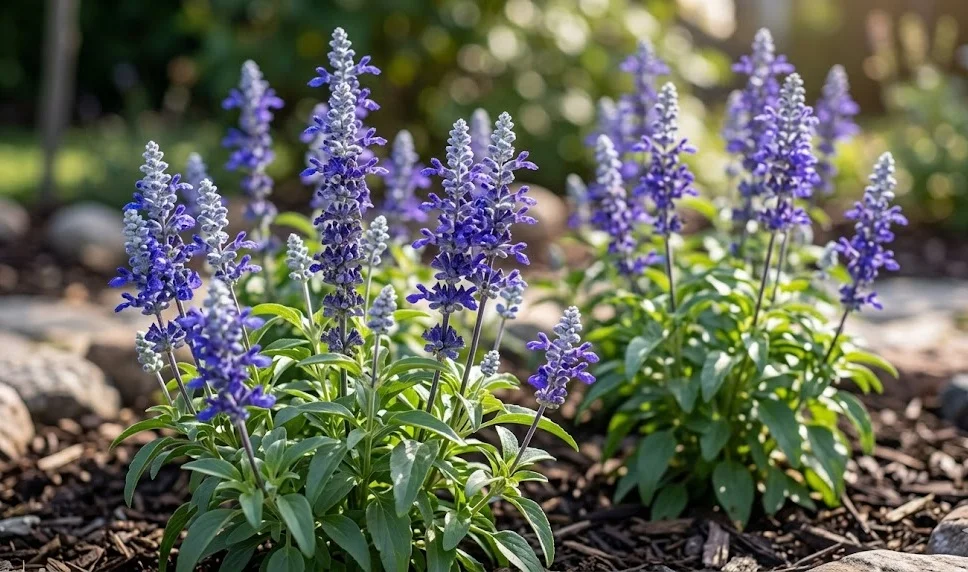

Maintaining the health of mealycup sage involves a proactive approach to identifying and managing the various biological threats that can arise. While this species is relatively hardy, it is not immune to the fungal pathogens and insect infestations that commonly affect garden plants. Professional growers emphasize the importance of prevention through proper cultural practices as the first line of defense against these issues. This comprehensive guide outlines the most frequent challenges you may encounter and provides expert strategies for keeping your plants thriving throughout the entire season.
Common fungal and bacterial issues
Powdery mildew is one of the most frequent fungal problems that can dull the beauty of mealycup sage foliage during humid weather. You will notice a white, flour-like substance appearing on the upper surfaces of the leaves, which can eventually lead to yellowing and premature leaf drop. This issue is often caused by a lack of sufficient air circulation around the plants or by watering late in the evening when leaves stay damp. Maintaining proper spacing and focusing water at the base of the plant are the most effective ways to prevent this unsightly condition.
Root rot is a much more serious concern that can quickly kill even established sage plants if the soil remains too wet for too long. You should be suspicious of root rot if the plant suddenly wilts despite the soil being damp or if the stems turn soft and brown near the soil line. This condition is usually the result of poor drainage or overwatering in heavy clay soils that do not allow the roots to breathe. Once the roots have rotted, it is very difficult to save the plant, making prevention through well-drained soil absolutely essential for success.
Leaf spot diseases can also occur, presenting as small, dark lesions on the foliage that may eventually merge and cause entire leaves to die. These pathogens are often spread by splashing water from rain or overhead irrigation, which carries the spores from the ground to the leaves. You can manage minor infections by carefully removing and destroying the affected foliage to prevent further spread to healthy parts of the plant. Applying a thin layer of mulch helps reduce the amount of soil splashing and creates a barrier between the fungus and the plant.
Botrytis or gray mold can sometimes affect the flowers and young shoots, particularly during periods of cool, wet weather in the spring or fall. You will see a fuzzy, gray growth appearing on fading blooms or damaged plant tissue, which can quickly spread to healthy areas if not addressed. It is important to remove spent flower spikes promptly and ensure that the plants are not overcrowded to reduce the humidity levels within the canopy. These cultural adjustments are often enough to keep gray mold from becoming a significant problem in most garden settings.
More articles on this topic
Managing insect infestations
Aphids are small, sap-sucking insects that can occasionally cluster on the tender new growth and flower buds of the mealycup sage. You might notice the leaves curling or becoming distorted, and the presence of a sticky substance called honeydew on the foliage below. A strong stream of water from a garden hose is often enough to dislodge these pests without the need for chemical interventions. Encouraging natural predators like ladybugs and lacewings in your garden provides a long-term solution for keeping aphid populations under control.
Whiteflies are another common pest that can be found on the undersides of the leaves, where they feed on the plant’s essential juices. When you disturb the foliage, these tiny, white insects will fly up in a cloud, making them very easy to identify during a routine inspection. Like aphids, they excrete honeydew which can lead to the growth of sooty mold on the leaves if the infestation is heavy. Using yellow sticky traps can help monitor and reduce their numbers, while insecticidal soaps can be effective for more severe cases.
Spider mites can become a problem during hot, dry periods when the plants are already under stress from a lack of moisture. These microscopic pests cause the leaves to look stippled with tiny yellow dots and may create fine webbing between the stems in advanced stages. You should maintain adequate hydration for your plants to make them less attractive to these mites, as they thrive in dusty and dry conditions. Regularly misting the foliage with water can also help discourage them and keep the leaf surfaces clean and healthy.
Slugs and snails may target the young, tender seedlings of mealycup sage shortly after they are transplanted into the garden. You will typically see large, irregular holes in the leaves and telltale silvery slime trails left behind on the soil or stems. These pests are most active at night or during rainy weather, so you may need to go on a nighttime hunt to find and remove them. Creating barriers with diatomaceous earth or using organic slug bait can protect your vulnerable young plants until they become more established and tough.
More articles on this topic
Prevention through cultural practices
The most effective way to manage pests and diseases is to create an environment where the plants can thrive with minimal stress. You should always start with healthy, disease-free plants from a reputable nursery to avoid introducing problems into your garden from the beginning. Proper site selection, ensuring full sun and excellent drainage, provides the foundation for a strong immune system in your plants. A healthy plant is much better equipped to naturally resist many of the common challenges that might arise during the year.
Sanitation is a critical but often overlooked aspect of maintaining a professional-grade garden and agricultural display. You should regularly remove any dead or diseased plant material from the area and dispose of it in the trash rather than the compost bin. Cleaning your pruning tools with a solution of alcohol or bleach between plants prevents the accidental spread of pathogens from one specimen to another. Keeping the garden bed tidy reduces the number of places where pests and fungi can hide and overwinter.
Crop rotation and diversity in your planting schemes can help break the life cycles of specific pests that target the Salvia family. By avoiding planting the same species in the exact same spot year after year, you reduce the buildup of soil-borne pathogens and specialized insects. Mixing your sage with other types of plants also makes it more difficult for pests to find and infest an entire area at once. This ecological approach to garden design promotes a more balanced and resilient environment for all your ornamental plants.
Monitoring your plants frequently allows you to catch any emerging issues while they are still small and manageable. You should make it a part of your weekly routine to walk through the garden and look closely at the foliage, stems, and flowers for any changes. Early detection means you can often solve a problem with simple mechanical methods, such as hand-picking insects or pruning out a single infected branch. Being an observant and attentive gardener is the best tool you have for maintaining a beautiful and healthy landscape.
Natural and chemical control options
When cultural practices alone are not enough to manage a problem, you may need to consider more direct intervention strategies. Biological controls, such as introducing beneficial insects or using microbial products like Bacillus thuringiensis, are excellent choices for an eco-friendly garden. These methods target specific pests while leaving the rest of the ecosystem intact and safe for pollinators and birds. Many professional horticulturists prefer these targeted solutions as they align with modern sustainable agriculture practices and environmental goals.
Horticultural oils and insecticidal soaps are effective tools for managing many soft-bodied insects like aphids, whiteflies, and spider mites. These products work by physical contact, smothering the insects rather than relying on systemic toxins that might harm the plant over time. It is important to apply these treatments in the cool of the evening to avoid any potential leaf burn from the sun acting on the oily residue. Always test a small area of the plant first to ensure there is no adverse reaction to the product you have chosen.
Fungicides may be necessary for severe outbreaks of powdery mildew or other leaf spot diseases that threaten the overall health of the plant. You should look for products containing sulfur or copper, which are common organic options for managing fungal pathogens in the home garden. It is critical to follow the instructions on the label exactly, applying the product at the correct intervals to prevent the fungus from developing resistance. Remember that fungicides are most effective when used as a preventative measure before the disease becomes widespread.
Chemical pesticides should be considered a last resort and used only when all other methods have failed to protect your valuable plants. If you must use them, choose a product that is labeled specifically for the pest you are dealing with and apply it with precision to minimize environmental impact. Avoid spraying while the plants are in bloom to protect the bees and butterflies that are so attracted to the mealycup sage. Responsible and limited use of chemicals ensures that your garden remains a healthy and safe place for both people and nature.
Professional recovery strategies
If your plants have suffered from a significant pest or disease issue, there are steps you can take to help them recover and regain their vigor. You should start by providing a gentle application of a balanced fertilizer to help the plant push out new, healthy growth. Pruning back the most damaged parts of the plant can also help redirect energy to the remaining healthy sections and improve the overall look. Be sure to provide consistent water during this recovery phase to reduce any further stress on the compromised root system.
Evaluating the cause of the problem is essential for preventing it from happening again in the future. You should ask yourself if the plant was receiving enough light, if the soil was too wet, or if the air circulation was insufficient for the local climate. Sometimes, simply moving a plant to a slightly different location can solve a recurring issue and lead to much better long-term results. Learning from these challenges makes you a more skilled and successful gardener over time as you gain experience with your specific site.
Sharing your experiences with local garden clubs or online forums can provide additional insights and support from other growers in your area. You might find that a particular pest is widespread in your region during a specific year due to unusual weather patterns. This community knowledge helps you prepare for future seasons and gives you a better understanding of what is “normal” for your local environment. Collaboration and communication are key components of the modern professional horticultural community and help everyone succeed.
Ultimately, the goal is to enjoy the process of growing mealycup sage while accepting that challenges are a natural part of any garden ecosystem. Even the most experienced professionals deal with pests and diseases from time to time, and it is how you respond that matters most. By remaining curious, observant, and proactive, you can ensure that your sage remains a highlight of your garden for many years to come. Success is found in the daily details of care and the joy of seeing your plants thrive against all odds.