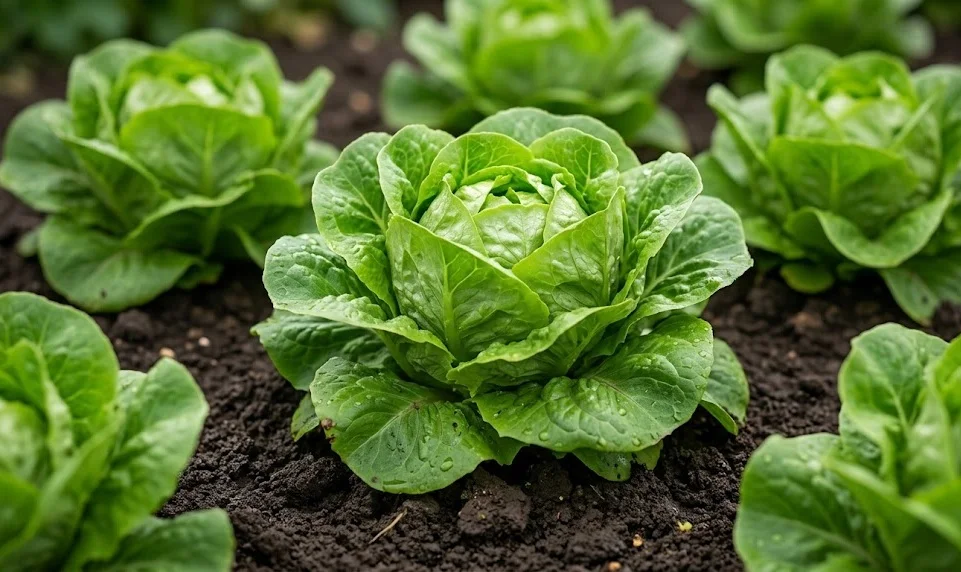

Fungal diseases are among the most common challenges that gardeners face when trying to maintain a healthy and productive lettuce patch during damp seasons. Downy mildew is a frequent culprit, appearing as yellowish spots on the upper surface of the leaves with a fuzzy white coating underneath. This pathogen thrives in cool, humid conditions and can spread rapidly through a crowded garden bed if it is not addressed quickly. Recognizing these early signs is the first step in protecting your harvest from total loss.
Another problematic fungus is Sclerotinia, often called white mold or “drop,” which causes the entire plant to collapse into a soft, watery mess. You might see a white, cottony growth near the base of the plant, often accompanied by small, dark structures that look like seeds. This disease is particularly difficult because the spores can persist in the soil for many years, waiting for the right conditions to return. Removing infected plants immediately and disposing of them away from your compost pile is essential for long-term garden health.
Powdery mildew is another common issue, though it tends to prefer slightly warmer and drier conditions than downy mildew does. It looks like a dusting of white flour on the leaves and can eventually lead to stunted growth and a bitter flavor in the lettuce. You can often manage this problem by improving the air circulation around your plants and avoiding overhead watering that keeps the foliage wet for too long. If the infection becomes severe, organic sulfur sprays or neem oil can be effective treatments for many home gardeners.
Prevention is always better than cure when it comes to managing fungal pathogens in a professional vegetable garden setting. You should choose disease-resistant varieties whenever possible and practice crop rotation to prevent the buildup of spores in the soil. Ensuring that your plants have enough space to breathe and that the soil drains well will go a long way in keeping fungi at bay. By creating an environment that is less hospitable to disease, you give your lettuce the best chance to grow strong and healthy.
Managing viral outbreaks
Viruses can be devastating to a lettuce crop because there are no effective chemical treatments once a plant has become infected. One of the most common is the Lettuce Mosaic Virus, which causes the leaves to become mottled, distorted, and stunted in their overall growth. This virus is often spread by aphids as they move from plant to plant, making pest control a vital part of disease management. If you notice plants with strange patterns or curled leaves, it is best to remove them immediately to protect the rest of your crop.
More articles on this topic
Spotted Wilt Virus is another serious threat that is typically transmitted by tiny insects called thrips during the warmer months of the year. Infected lettuce often develops brown or black spots and may eventually die back from the center of the head outward. Because thrips are so small and difficult to see, you might not realize they are present until the damage to your plants is already visible. Keeping the area around your garden free of weeds can help reduce the local population of thrips and other virus-carrying insects.
Some viruses can also be transmitted through infected seeds, so it is important to buy your seeds from a reputable and professional source. High-quality seed companies often test their batches for the presence of common viruses to ensure that you are starting with clean material. If you save your own seeds, make sure you only take them from the healthiest and most vigorous plants in your garden. This simple precaution can save you a lot of heartache and effort later in the growing season.
A holistic approach to garden health is the best defense against viral outbreaks and other systemic problems in your vegetable beds. Providing your plants with the right amount of water, light, and nutrients keeps their immune systems strong and better able to resist infections. You should also be careful not to handle your plants too much when they are wet, as this can inadvertently spread pathogens between them. A clean, well-managed garden is naturally more resilient to the many challenges that nature provides.
Common insect pest control
Aphids are perhaps the most persistent insect pests that target lettuce, often clustering on the underside of the leaves or in the tender center of the head. These tiny, soft-bodied insects suck the sap from the plants, causing the leaves to curl and turn yellow over time. They also excrete a sticky substance called honeydew, which can attract ants and encourage the growth of black sooty mold on the foliage. You can often control small populations of aphids with a strong blast of water from your garden hose or by using insecticidal soap.
More articles on this topic
Caterpillars and loopers can also cause significant damage to a lettuce crop by chewing large, irregular holes in the leaves during the night. The cabbage looper is a common visitor, often blending in perfectly with the green leaves and making it very difficult to spot by eye. You should check your plants regularly for signs of feeding or for the presence of small, dark droppings on the foliage. Hand-picking the caterpillars and moving them to another location is a simple and effective organic control method for most home gardens.
Leaf miners are another interesting but frustrating pest that creates winding, silvery trails inside the leaves of the lettuce as they feed on the internal tissues. While a few trails might not ruin the entire crop, a heavy infestation can weaken the plants and make the leaves look very unappealing for eating. You can try using floating row covers to prevent the adult flies from laying their eggs on the leaves in the first place. Removing any heavily infested leaves and destroying them will also help reduce the next generation of miners in your garden.
Encouraging natural predators like ladybugs, lacewings, and hoverflies is one of the most sustainable ways to manage insect pests in your backyard. These beneficial insects eat huge numbers of aphids and other small pests, acting as a built-in pest control service for your garden. You can attract these helpers by planting a variety of flowers and herbs that provide them with pollen and nectar throughout the season. Creating a balanced ecosystem reduces your workload and keeps your garden healthy without the use of harsh chemicals.
Slugs and environmental pests
Slugs and snails are notorious for their love of tender lettuce leaves, especially during the cool and damp periods of the spring and autumn. They can devour entire seedlings overnight, leaving behind only a silvery slime trail as evidence of their late-night feast. You should look for them under mulch, large leaves, or wooden boards near the garden bed where they hide during the heat of the day. Hand-picking them in the evening with a flashlight is an effective, if somewhat tedious, way to manage their numbers.
Creating physical barriers can also help protect your precious greens from the persistent advances of slugs and snails in your garden. Some gardeners use copper tape around the edges of raised beds, as the metal gives the slugs a tiny, unpleasant electric shock when they try to cross it. Diatomaceous earth or crushed eggshells can also be sprinkled around the base of the plants to create a sharp surface that pests find difficult to navigate. These organic methods are safe for your family and pets while still providing good protection for your crop.
Birds can occasionally become a problem, especially when the lettuce is young and the surrounding environment doesn’t offer much other food. They may peck at the tender leaves or even pull small seedlings right out of the ground in their search for moisture or insects. You can use bird netting or lightweight garden fabric to cover your rows and keep the birds away until the plants are larger and more established. Most birds will move on to other food sources once the summer season is in full swing and more options become available.
Small mammals like rabbits and groundhogs also find lettuce to be an irresistible treat and can clear a garden bed in a very short amount of time. If these animals are common in your area, a sturdy fence buried a few inches into the ground is often the only permanent solution to the problem. You might also try using natural repellents based on garlic or hot peppers, though these often need to be reapplied after every rain or watering session. Protecting your garden from larger pests requires a bit more infrastructure but is well worth the effort for a successful harvest.
Integrated prevention strategies
Building a strong and resilient garden starts with the selection of high-quality, disease-resistant varieties of lettuce that are suited to your specific local climate. You should look for descriptions that mention resistance to common issues like downy mildew, mosaic virus, or bolting when you are browsing seed catalogs. By starting with plants that are naturally tougher, you reduce the need for constant monitoring and intervention throughout the growing season. This proactive approach is the foundation of an integrated pest management strategy for any professional grower.
Crop rotation is a vital practice that involves moving your lettuce to a different part of the garden every year to prevent the buildup of soil-borne pathogens. Many diseases and pests are host-specific, meaning they only target certain families of plants, so changing the location disrupts their life cycle effectively. You should try to wait at least three years before planting lettuce in the same spot again to ensure the soil has had time to recover and refresh. This simple habit is one of the most effective ways to maintain a healthy and productive garden over the long term.
Good garden hygiene is another essential component of keeping your lettuce patch free of diseases and unwanted pests throughout the year. You should remove any dead or decaying plant material promptly, as these can provide a hiding place for insects or a breeding ground for fungal spores. Keeping your tools clean and disinfecting them between uses will also prevent the accidental spread of pathogens from one part of the garden to another. A tidy garden is not just about aesthetics; it is a critical part of maintaining the health of your entire ecosystem.
Finally, remember that a healthy soil is the best defense your plants have against the many challenges they will face as they grow to maturity. By adding plenty of organic matter and ensuring a balanced supply of nutrients, you create vigorous plants that can often survive minor pest or disease issues on their own. You should view your role as a facilitator of nature, providing the best possible conditions for your lettuce to thrive and defend itself. With a little care and attention, you can enjoy a bounty of fresh, healthy greens all season long.