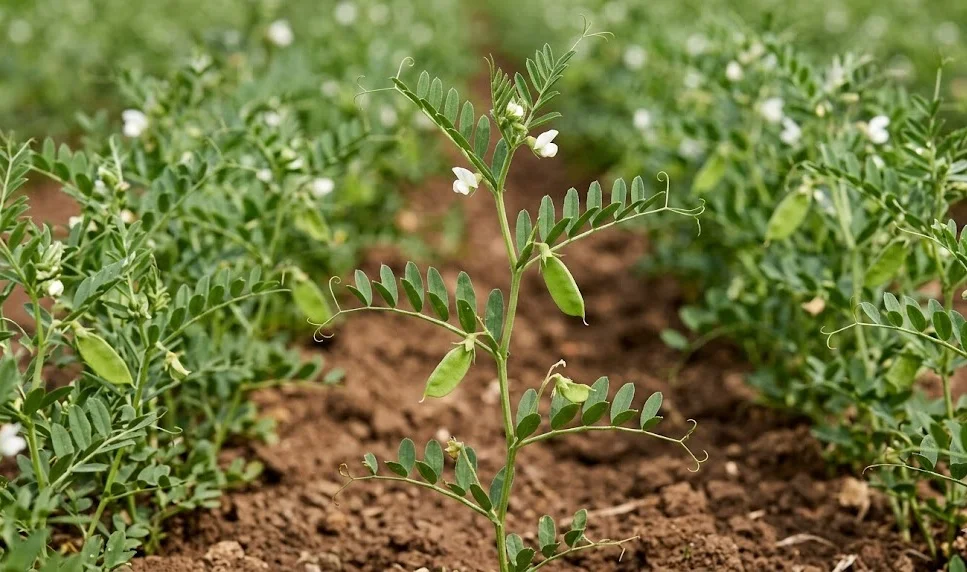

Protecting a lentil crop from the constant pressure of diseases and pests is one of the most challenging aspects of professional pulse production. These delicate plants are susceptible to a wide range of pathogens and insects that can quickly reduce a promising field to a total loss. An expert approach involves a combination of preventive measures, regular scouting, and the strategic use of integrated pest management. By understanding the life cycles of these threats, you can take action at the most effective time to safeguard your harvest.
Common fungal pathogens and their management
Fungal diseases are often the most destructive threats to lentils, especially in regions with high humidity or frequent rainfall. Ascochyta blight is a major concern, causing dark lesions on the leaves, stems, and pods that can lead to stem breakage and seed discoloration. This fungus survives on crop residue and can be spread rapidly by wind and splashing rain during the growing season. Professional growers often select resistant varieties and use certified clean seed to minimize the initial risk of infection in their fields.
Anthracnose is another serious fungal threat that can cause rapid defoliation and the death of the plant if left unchecked. It usually appears as tan-colored spots with dark borders on the lower parts of the plant before moving upwards through the canopy. Managing this disease requires a long crop rotation and the careful application of preventative fungicides during the early flowering stage. An expert will monitor the weather forecast closely, as warm and wet conditions are the primary drivers for an anthracnose outbreak.
Root rot complexes, often caused by species of Fusarium or Rhizoctonia, attack the plant below the soil line where they are harder to detect. These pathogens thrive in waterlogged or compacted soils, leading to stunted growth, yellowing, and eventual wilting of the seedlings. Once established in a field, root rots are very difficult to eliminate, making soil management and drainage the primary lines of defense. Using specialized seed treatments can provide a temporary window of protection during the critical establishment phase.
Botrytis grey mold is a common problem in dense lentil canopies where airflow is restricted and humidity remains high. It typically starts on the aging flowers and then spreads to the developing pods, potentially causing them to rot and drop off. You can reduce the risk of grey mold by adjusting your seeding rates to ensure better light penetration and air movement within the crop rows. Professional disease management is a continuous process of observation and tactical response to the changing environmental conditions.
More articles on this topic
Insect pests and their impact on yield
Aphids are among the most persistent insect pests in lentil production, as they can damage the plants both directly and indirectly. They feed on the sap of the young shoots, causing the leaves to curl and the growth of the plant to become severely stunted. More importantly, aphids are the primary vectors for several viral diseases that can devastate an entire plantation in a very short time. Regular scouting for these tiny insects is essential, especially during the early vegetative and flowering stages of the crop.
The pea weevil is a specialized pest that targets the developing seeds inside the lentil pods during the summer months. The adult weevils lay their eggs on the outside of the pods, and the emerging larvae bore their way inside to feed on the growing pulses. This not only reduces the weight of the harvest but also leaves holes in the seeds that make them unmarketable for human consumption. Controlling the adult population before they can lay their eggs is the key to preventing significant damage from this pest.
Cutworms and other soil-dwelling larvae can cause significant stand losses early in the season by clipping off the young seedlings at the soil surface. These pests are often most active at night and can be difficult to find during a standard daytime inspection of the field. You should look for patches of missing plants or wilted seedlings that appear to have been cut or chewed near the base. Professional growers often use bait traps or specific soil-applied treatments if they anticipate a high population of these early-season pests.
Grasshoppers can become a major threat during dry years when their natural food sources in surrounding areas begin to disappear. They are highly mobile and can move into a lentil field in large numbers, quickly stripping the plants of their leaves and even eating the green pods. Managing grasshoppers often requires a community-wide effort to monitor their breeding grounds and control the nymphs before they develop wings. An expert pulse grower is always aware of the pest levels in the broader landscape surrounding their specific agricultural land.
More articles on this topic
Integrated pest management strategies
Integrated Pest Management, or IPM, is the professional standard for dealing with the complex array of threats that face a lentil crop. This approach focuses on using a combination of biological, cultural, and chemical tools to keep pest populations below a level that causes economic damage. It starts with the selection of the right site and variety, followed by precise planting and fertility management to ensure a healthy, resilient crop. By maximizing the natural defenses of the plant, you reduce the overall reliance on intensive chemical interventions.
Beneficial insects, such as ladybugs and lacewings, play a crucial role in naturally controlling aphid populations in a well-managed field. You should avoid using broad-spectrum insecticides that kill these helpful predators along with the pests whenever it is possible to do so. Maintaining diverse field borders can provide a habitat for these beneficial species, allowing them to move into the crop when they are needed most. Professionalism in pest management involves viewing the field as a complex ecosystem where every organism plays a role.
The use of economic thresholds is a key component of an expert IPM program for any commercial agricultural operation. Instead of spraying on a fixed schedule, you only take action when the pest population reaches a point where the cost of the treatment is less than the potential loss. This requires frequent and accurate scouting to stay ahead of the pest cycles and to understand the specific dynamics of your field. This data-driven approach saves money and reduces the environmental footprint of your farming activities.
Pheromone traps and other monitoring tools can provide early warning of the arrival of specific pests like the pea weevil or certain moth species. By knowing exactly when the pests are moving into the area, you can time your management actions for maximum effectiveness. This precision allows for the use of more targeted and less toxic control methods, which is better for the long-term health of the land. An expert is always proactive, using every available tool to anticipate and neutralize threats before they can cause serious harm.
Preventing the spread of viral diseases
Viral diseases are particularly dangerous because there are no curative treatments once a lentil plant has become infected. Viruses like the Pea Seed-borne Mosaic Virus can cause a wide range of symptoms, including mottled leaves, distorted pods, and significant yield reductions. These viruses are often introduced into a field through infected seed or are brought in by sucking insects like aphids that move from plant to plant. Prevention is truly the only effective strategy when it comes to managing the viral health of your pulse crop.
Using only certified, virus-tested seed is the most important step you can take to protect your plantation from the start. Saving your own seed from an infected crop will only lead to more severe problems in the following years as the virus levels build up. Professional seed producers go to great lengths to ensure their products are clean, and this investment is well worth it for the commercial grower. Starting with healthy genetic material gives the crop a fighting chance against the various pressures it will face in the field.
Controlling the insect vectors that spread viruses is the second line of defense in a professional disease management plan. By keeping aphid populations low through the use of resistant varieties or targeted treatments, you can slow the spread of a virus through the field. It is also important to manage weeds that may act as alternative hosts for both the viruses and the insects that carry them. A clean field and a healthy surrounding environment are essential for maintaining the long-term viral integrity of the crop.
Recognizing the early signs of viral infection allows you to remove infected plants, or “rogue” them, to prevent further spread in small or high-value plots. While this is not practical for large-scale field production, it is a standard practice in seed multiplication and breeding programs. Understanding the specific symptoms of different viruses helps you make accurate diagnoses and decide on the best course of action for the rest of the field. Expertise in virology is a specialized but vital part of the modern pulse grower’s knowledge base.
Environmental factors and physiological stress
Sometimes the symptoms that look like a disease or a pest attack are actually caused by environmental stress or physiological factors. High temperatures during the reproductive phase can cause “heat canker” or flower abortion, which can be mistaken for a fungal infection by the untrained eye. Similarly, a deficiency in a key nutrient like sulfur can cause a general yellowing that might look like a viral disease from a distance. Distinguishing between biological threats and environmental stress is a critical skill for any professional crop scout.
Soil pH and chemical residues from previous crops can also impact the health and appearance of your lentils in unexpected ways. For example, carryover from certain herbicides used on wheat or corn in previous years can cause severe stunting and leaf distortion in the following lentil crop. You must maintain detailed records of every chemical applied to your land to avoid these “man-made” health issues. Professionalism involves a holistic understanding of how the history of the field impacts the current health of the standing crop.
Frost damage can cause the tips of the young lentil plants to turn black and die back, which can look like an early-season fungal blight. Fortunately, lentils are quite resilient and can often regrow from lower nodes if the damage is not too severe and the root system is healthy. Understanding the compensatory ability of the plant helps you avoid making hasty and unnecessary management decisions after a weather event. Patience and careful observation are often just as important as the ability to take rapid action.
Building a resilient agricultural system involves selecting varieties that are better equipped to handle the specific environmental stresses of your region. Some lentils are bred for better heat tolerance, while others have been selected for their ability to withstand temporary waterlogging. By matching the genetics of the plant to the realities of the environment, you reduce the overall stress on the crop and make it less vulnerable to opportunistic pests and diseases. An expert grower knows that a healthy, unstressed plant is its own best defense.