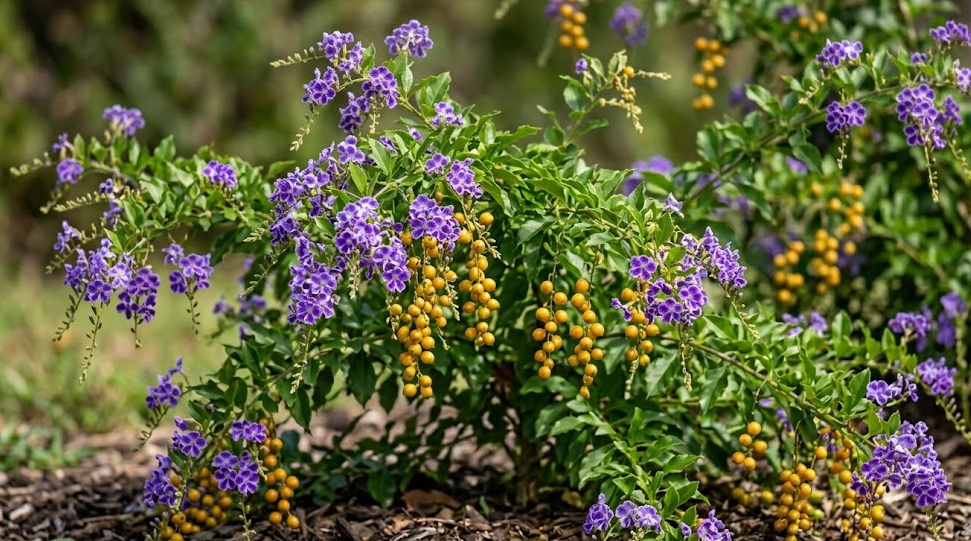

Protecting your golden dewdrop from the various challenges posed by nature is an ongoing responsibility for any serious gardener. While this plant is generally quite robust, it is not entirely immune to the attacks of opportunistic insects and fungal pathogens. Understanding the biology of these threats is the first step in developing an effective defense strategy for your landscape. By maintaining a clean environment and monitoring your plants regularly, you can prevent most issues from becoming serious problems.
Pest and disease management is about much more than just reaching for a bottle of spray whenever you see a bug. It involves a holistic approach that looks at the health of the entire plant and the environment in which it lives. A stressed plant is much more likely to fall victim to an infestation than one that is well-fed and properly hydrated. Therefore, good care is actually your most powerful tool in the fight against common garden enemies.
Identifying the specific culprit behind a plant’s decline is essential for choosing the right method of treatment. Some problems are purely cosmetic and don’t require any intervention, while others can be fatal if left unchecked for too long. You should familiarize yourself with the common symptoms of local pests and diseases to avoid unnecessary panic. Expert knowledge allows for targeted and effective solutions that minimize harm to the rest of the garden.
The use of integrated pest management (IPM) is the modern standard for professional horticulture and home gardening alike. This philosophy prioritizes physical and biological controls over chemical ones, using the least toxic methods first. By working with nature rather than against it, you can maintain a beautiful garden that is also safe for beneficial insects and wildlife. Resilience and balance are the ultimate goals of any successful pest management program.
Identifying common fungal infections
Fungal issues often manifest as spots on the leaves or a powdery white coating that covers the stems and foliage. These problems are usually most prevalent during periods of high humidity and poor air circulation. Powdery mildew is a common sight and can quickly spread if the environment remains stagnant and damp. Keeping the leaves dry and ensuring plenty of space between plants is the best way to prevent these spores from taking hold.
More articles on this topic
Root rot is a much more serious fungal condition that happens below the soil line where it is harder to detect. It is almost always the result of overwatering or poor drainage in the growing medium. The plant will often look like it’s dying from thirst because the damaged roots can no longer transport water to the leaves. To confirm root rot, you must gently remove the plant from its pot and look for dark, mushy roots that have a foul odor.
Sooty mold is a black, crusty substance that often appears on the surface of the leaves in the presence of certain insects. This mold doesn’t actually feed on the plant itself, but rather on the sticky “honeydew” left behind by pests like aphids. While it may look alarming, the real problem is the insect population that is attracting the mold. Cleaning the leaves and managing the pests will resolve the issue and restore the plant’s appearance.
Treating fungal infections usually involves removing the most affected parts of the plant and improving the surrounding conditions. You can also use organic fungicides like neem oil or copper-based sprays to help keep the spread under control. It is important to act quickly, as many fungi can produce thousands of spores that can travel on the wind to other plants. A proactive gardener is always looking for the first signs of spots or discoloration.
Managing invasive insect populations
Aphids are tiny, soft-bodied insects that congregate on the tender new growth and suck the sap from the stems. They reproduce incredibly quickly and can cause distorted leaves and stunted growth if their numbers are not managed. A strong blast of water from a garden hose is often enough to knock them off and disrupt their feeding. Encouraging natural predators like ladybugs is another excellent way to keep their population in check without using chemicals.
More articles on this topic
Whiteflies are another common pest that can be found on the underside of the leaves, often taking flight when the plant is disturbed. Like aphids, they feed on the plant’s fluids and can weaken the specimen over time if left unchecked. They are particularly fond of warm, sheltered environments like greenhouses or sunny patios. Yellow sticky traps can be a helpful way to monitor their presence and reduce their numbers in a small area.
Spider mites are nearly invisible to the naked eye but can cause significant damage by piercing the plant cells and draining their contents. You might notice fine webbing between the stems or a stippled, dusty appearance on the surface of the leaves. These pests thrive in dry conditions, so increasing the humidity around your plants can help discourage them. If an infestation becomes severe, you may need to use insecticidal soap to bring the situation under control.
Scale insects look like small, hard bumps on the stems and are often mistaken for part of the plant’s natural texture. They protect themselves with a waxy covering, making them more difficult to treat than soft-bodied insects. You can sometimes remove them manually with a soft brush or by dabbing them with a bit of alcohol on a cotton swab. For a professional-level solution, horticultural oils are very effective at smothering these pests in all stages of their life cycle.
Integrated approaches to pest control
The first step in any integrated approach is to simply monitor your plants on a regular basis to catch problems early. By spending a few minutes each day looking closely at the foliage, you can spot the first few aphids before they become a colony. This allows you to use very simple and safe methods, like manual removal, to solve the problem. Early detection is the cornerstone of a healthy and low-maintenance garden.
Biological control involves using the natural enemies of pests to do the work for you. You can attract beneficial insects like lacewings, predatory mites, and parasitic wasps by planting a variety of flowering species nearby. These “garden allies” provide a constant level of protection that chemical sprays simply cannot match. It is a sustainable way to garden that benefits the entire local ecosystem and reduces your workload.
Physical barriers and traps can also play a significant role in protecting your golden dewdrop from unwanted visitors. Fine mesh netting can keep larger insects away from sensitive young plants during the peak of the season. Pheromone traps or light traps can be used to capture specific pests before they have a chance to lay their eggs. These mechanical solutions are highly effective and have zero impact on the health of the plant or the soil.
When all other methods have failed, you can turn to targeted chemical interventions as a last resort. It is important to choose products that are as specific as possible to the pest you are trying to control. Always follow the label instructions carefully and avoid spraying during the heat of the day or when pollinators are active. A professional gardener uses chemicals like a scalpel, with precision and only when absolutely necessary.
Choosing between organic and synthetic treatments
Organic treatments are derived from natural sources and are generally safer for the environment and the person applying them. Products like neem oil, insecticidal soaps, and botanical extracts break down quickly and leave very little residue behind. They are often just as effective as synthetic options if used correctly and at the right time. Many professional growers prefer organic methods because they support a healthier long-term balance in the garden.
Synthetic treatments are laboratory-created chemicals designed to be highly potent and long-lasting in their effects. While they can provide a quick solution to a major infestation, they also carry a higher risk of harming beneficial insects and lingering in the environment. Some pests can also develop resistance to these chemicals over time, making them less effective in the long run. If you choose to use synthetic products, do so sparingly and with a clear understanding of the potential drawbacks.
The decision between organic and synthetic often comes down to the speed and severity of the problem you are facing. For a small, manageable issue, organic methods are almost always the better choice for the overall health of your landscape. If you are dealing with a widespread and life-threatening infestation, a one-time synthetic treatment might be justified to save the plant. Expert gardening is about making these informed decisions based on the specific situation at hand.
Whichever path you choose, consistency and thoroughness are the keys to a successful outcome. Many treatments need to be repeated several times to ensure that all stages of the pest’s life cycle have been addressed. You should also treat the surrounding soil and any nearby plants to prevent the problem from simply moving around. Success in pest management requires a disciplined approach and a commitment to seeing the process through to the end.
Prevention strategies for a resilient garden
The best way to deal with pests and diseases is to make sure they never get a foothold in your garden in the first place. This starts with choosing healthy, vigorous plants from a reputable source and inspecting them carefully before bringing them home. Once they are in your garden, providing them with the ideal conditions of light, water, and food will keep their natural defenses strong. A happy plant is its own best protector against the challenges of the natural world.
Sanitation is another critical part of any prevention strategy and involves keeping your garden free of debris and diseased material. You should always remove fallen leaves and spent flowers, as these can harbor spores and eggs over the winter. Cleaning your pruning tools between plants prevents the accidental spread of pathogens from one specimen to another. A tidy garden is not just about aesthetics; it is a fundamental requirement for plant health.
Crop rotation and diversity can also help to break the life cycles of many common garden pests. By not planting the same things in the same spots year after year, you make it much harder for soil-borne diseases to build up. Introducing a wide variety of different species creates a more complex and resilient ecosystem that is harder for any single pest to dominate. Diversity is the secret to a stable and thriving landscape that requires less human intervention.
Finally, take the time to educate yourself about the specific needs and vulnerabilities of the plants in your care. Every year brings new challenges and opportunities to learn more about the fascinating world of horticulture. By staying curious and observant, you can anticipate problems before they occur and act with confidence. Your expertise is the most powerful shield your garden has against the many threats it faces every day.