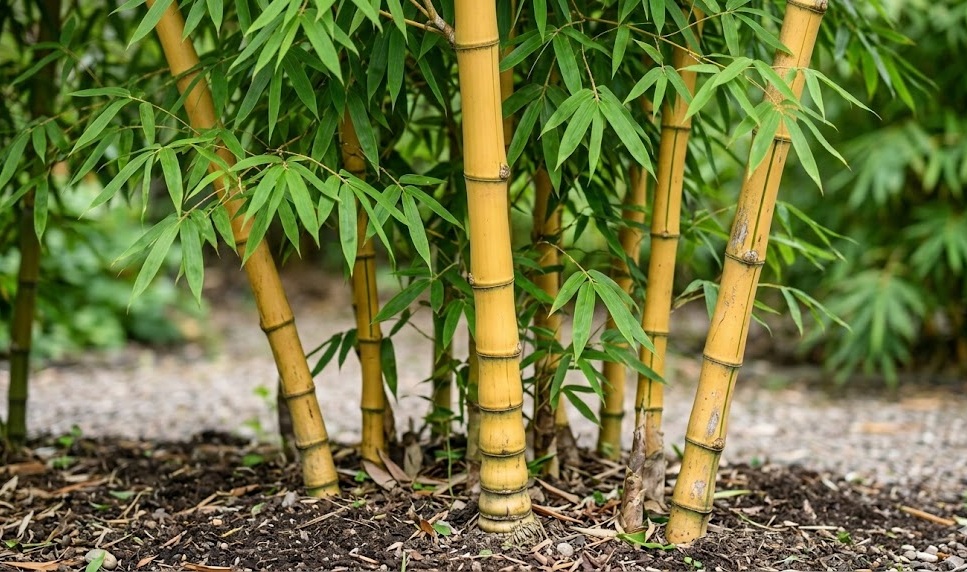

Protecting golden bamboo from various biological threats is a critical part of ensuring its longevity and aesthetic value in the garden. While this species is generally robust and less prone to issues than many other ornamental plants, it is not entirely immune to the pressures of the natural world. Identifying potential problems early through regular inspection can mean the difference between a minor setback and the loss of an entire stand. By understanding the common enemies of bamboo and the conditions that favor them, you can implement effective management strategies that prioritize the health of the plant.
Common insect pests and their impact
The bamboo mite is perhaps the most frequent and frustrating pest encountered by those growing golden bamboo in various climates. These tiny arachnids live on the undersides of the leaves, where they spin protective webs and suck the sap from the plant’s tissues. Their presence is usually signaled by small, pale rectangular spots on the upper surface of the foliage, which can eventually merge into larger yellow patches. If left untreated, a severe infestation can cause significant leaf drop and weaken the overall vitality of the bamboo grove.
Aphids are another common visitor, often clustering on the tender new shoots and the undersides of young leaves during the spring. These insects excrete a sticky substance known as honeydew, which can cover the plant and attract other unwanted guests like ants. While a few aphids usually won’t cause serious damage, a large colony can distort the growth of new culms and cause the leaves to curl or yellow. Encouraging natural predators like ladybugs or lacewings is often the first line of defense against these prolific sap-sucking pests.
Mealybugs and scale insects can also target golden bamboo, though they are often harder to spot due to their protective coverings and sedentary nature. Mealybugs look like small tufts of white cotton and tend to hide in the tight spaces where the leaves meet the stems. Scale insects appear as small, hard bumps on the culms or leaves and can be easily mistaken for natural parts of the plant’s anatomy. Both pests weaken the bamboo by draining its energy and can introduce viral pathogens as they move from one plant to another.
Slugs and snails might not seem like a major threat to a large bamboo plant, but they can be devastating to newly emerged shoots in the early spring. These pests find the soft, succulent tissues of the rising culms irresistible and can chew large holes or even sever the shoots entirely. This damage is not only unsightly but can also stunt the growth of the plant for the remainder of the season. Keeping the area around the base of the bamboo free of excessive debris and using organic barriers can help protect the vulnerable new growth.
More articles on this topic
Fungal and bacterial infections
Fungal leaf spot is a common issue that often arises during periods of high humidity and poor air circulation within the bamboo canopy. This condition manifests as small brown or black spots on the leaves, which may be surrounded by a yellow halo as the infection spreads. While it rarely kills an established plant, it can make the bamboo look sparse and unhealthy if many leaves are affected. Improving airflow through thinning and avoiding overhead watering are effective ways to manage the spread of fungal spores among the foliage.
Sooty mold is a secondary problem that often follows an infestation of honeydew-producing insects like aphids or scale. This black, powdery fungus grows on the sticky residue left by the insects and can eventually cover large portions of the leaves and culms. While the mold itself does not feed on the bamboo, it blocks sunlight from reaching the leaves, which interferes with photosynthesis and weakens the plant. The best way to eliminate sooty mold is to address the underlying insect problem and gently wash the affected parts of the plant.
Root rot can occur if the bamboo is grown in soil that remains waterlogged and lacks proper drainage for extended periods. This condition is caused by various soil-borne pathogens that attack the roots and rhizomes in anaerobic conditions, leading to their decay. The first signs above ground are often wilting, yellowing leaves and a general lack of vigor despite seemingly adequate water. Preventing root rot is much easier than treating it, as it requires ensuring the soil structure is open and that the plant is never sitting in stagnant water.
Culm blight is a more serious fungal disease that can cause the sudden death of individual stems or even larger sections of a bamboo clump. It usually enters the plant through wounds caused by pruning or physical damage and causes the tissue to darken and collapse. You might notice sunken areas or lesions on the affected culms, which can eventually girdle the stem and cut off the flow of nutrients. Promptly removing and destroying any infected culm is essential to prevent the fungus from spreading to the rest of the grove or neighboring plants.
More articles on this topic
Environmental stress and physiological disorders
Many symptoms that look like diseases are actually caused by environmental stress factors that affect the plant’s physiology. Leaf scorch is a common example, where the tips and edges of the bamboo leaves turn brown and brittle due to excessive sun or wind. This often happens when the plant cannot transport water fast enough to keep up with the rate of evaporation from the leaf surface. Providing some wind protection or temporary shade during extreme weather events can help the bamboo maintain its lush appearance and health.
Iron chlorosis is a physiological condition that results in yellow leaves with prominent green veins, usually caused by improper soil pH. If the soil is too alkaline, the bamboo cannot absorb the iron it needs for chlorophyll production even if the mineral is present in the ground. This is not a infectious disease, but it can severely weaken the plant if it is not corrected through soil acidification or the use of chelated iron. Monitoring the soil chemistry is an important part of distinguishing between nutritional issues and true pathological infections.
Winter burn is a specific type of environmental damage that occurs when the ground is frozen but the sun and wind continue to draw moisture from the evergreen leaves. Because the roots cannot absorb water from the frozen soil, the leaves dry out and turn brown, often appearing dead by the time spring arrives. This damage is usually cosmetic and the plant will produce new leaves as temperatures rise, but it can be prevented by ensuring deep hydration before the first frost. Mulching also helps keep the root zone from freezing as deeply, providing a buffer against these harsh winter conditions.
Salt toxicity can be an issue in coastal gardens or areas where de-icing salts are used on nearby paths and roads. Bamboo is relatively sensitive to high levels of sodium and chloride, which can cause leaf tip burn and a general decline in growth over time. If you suspect salt buildup, flushing the soil with large amounts of fresh water can help leach the harmful ions away from the root zone. Choosing a planting site that is protected from salt spray or runoff is the best long-term solution for maintaining healthy golden bamboo in these environments.
Preventive measures and maintenance
The most effective way to manage diseases and pests is to maintain a healthy, vigorous plant through proper care and cultural practices. A bamboo plant that receives the right amount of water, light, and nutrients is much better equipped to naturally resist or recover from biological pressures. You should avoid stressing the plant with over-fertilization, which can produce soft, weak growth that is particularly attractive to sap-sucking insects. Consistency in your routine is the foundation of a proactive defense strategy for your entire garden landscape.
Sanitation plays a huge role in preventing the buildup and spread of pathogens and pests within your bamboo grove. You should regularly remove fallen leaves and dead culms, as these can provide a hiding place for insects and a breeding ground for fungal spores. If you do encounter a diseased section of the plant, always clean your pruning tools with alcohol or a bleach solution before moving on to healthy specimens. These simple hygiene practices can significantly reduce the risk of cross-contamination and keep your bamboo looking its best throughout the year.
Strategic pruning and thinning are also vital tools for disease prevention by improving the microclimate within the bamboo clump. By removing some of the older or more crowded culms, you allow for better light penetration and increased air movement through the center of the plant. This reduces the humidity levels that favor fungal growth and makes it easier for you to inspect the inner parts of the grove for any early signs of trouble. A well-maintained bamboo grove is not only more beautiful but also inherently more resistant to many common problems.
Encouraging biodiversity in your garden can provide natural pest control that reduces the need for chemical interventions. Providing habitats for beneficial insects, birds, and even amphibians can help keep pest populations in check before they reach damaging levels. Many common bamboo pests have natural enemies that will do much of the work for you if you provide a welcoming environment for them. This holistic approach creates a more balanced ecosystem where your bamboo can thrive as part of a healthy and diverse garden community.
Integrated pest management strategies
When a problem does arise that requires intervention, an integrated pest management (IPM) approach is the most responsible and effective way to handle it. This involves starting with the least invasive methods, such as physical removal of pests or using a strong blast of water from a garden hose to dislodge insects. Often, these simple mechanical actions are enough to manage a small outbreak and prevent it from becoming a major issue. Only if these methods fail should you consider moving toward more intensive treatments or specialized organic products.
Horticultural oils and insecticidal soaps are excellent intermediate options for controlling mites, aphids, and scale on golden bamboo. These products work by smothering the insects or disrupting their cell membranes without leaving harmful residues in the environment. It is important to apply these treatments thoroughly, especially on the undersides of the leaves where many pests prefer to hide and feed. Always follow the manufacturer’s instructions and avoid applying these products during the heat of the day to prevent leaf burn.
In cases where a fungal disease is persistent, using an organic fungicide may be necessary to protect the remaining healthy foliage. These treatments are most effective when applied at the first sign of infection and should be used in conjunction with cultural improvements like better drainage or increased airflow. Remember that fungicides are generally preventive rather than curative, so they are best used to stop the spread of a disease to new growth. Consistency and timing are key to getting the best results from any fungal management program.
Finally, keep a garden journal to record any issues you encounter and the effectiveness of the treatments you use over time. This information will help you identify patterns and anticipate potential problems in future seasons, allowing you to be even more proactive in your care. Every garden is unique, and learning how your specific bamboo responds to local pests and diseases is a valuable part of becoming an expert gardener. Your commitment to observation and thoughtful management will ensure your golden bamboo remains a healthy and stunning centerpiece for years to come.