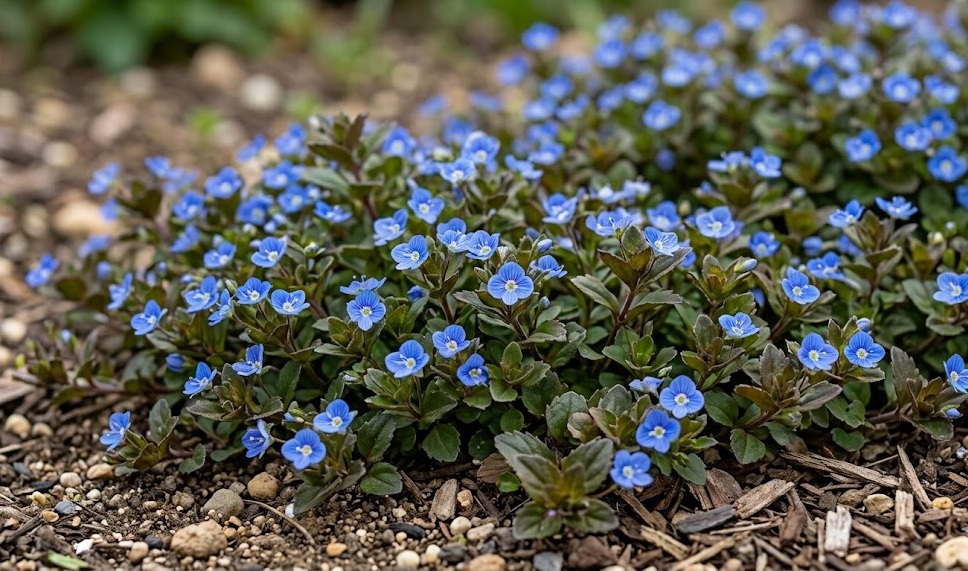

Even the most resilient plants can occasionally fall victim to environmental stressors, insects, or fungal pathogens. Georgia blue speedwell is generally a hardy variety, but maintaining its health requires a proactive approach to pest and disease management. Recognizing the early symptoms of trouble is the first step in preventing a small problem from becoming a garden-wide crisis. This article details the common challenges you might face and the professional strategies used to keep this beautiful groundcover thriving.
Identifying fungal issues
Powdery mildew is one of the most common fungal problems that can affect the foliage of speedwell, especially in humid conditions. It appears as a white, flour-like dusting on the surface of the leaves, which can eventually lead to yellowing and premature leaf drop. This issue is often exacerbated by poor air circulation or by watering the plants from above late in the day. Improving the spacing between plants and focusing on ground-level irrigation can significantly reduce the incidence of this fungus.
Downy mildew is another potential threat, though it is often mistaken for simple environmental stress or nutrient deficiency. It typically manifests as yellow or pale green spots on the upper side of the leaves, with a fuzzy growth appearing underneath. In severe cases, the affected leaves may curl, wither, and die, reducing the overall vigor of the groundcover. Promptly removing and destroying any infected plant material is essential to prevent the spores from spreading through the bed.
Root rot is perhaps the most serious fungal threat to the long-term survival of Georgia blue speedwell. This condition is almost always caused by excessive soil moisture and poor drainage, which allows soil-borne pathogens to attack the roots. Symptoms include a general wilting of the plant that does not improve with watering, along with a darkening of the stems at the soil line. Preventing root rot is much easier than treating it, as it requires ensuring that the planting site is well-drained and not over-watered.
Leaf spot diseases can also occur, appearing as small, dark circles on the foliage during periods of cool, wet weather. While these are usually more of an aesthetic concern than a fatal threat, a heavy infestation can weaken the plant over time. Keeping the garden bed clean of fallen leaves and debris helps to eliminate the places where fungal spores overwinter. If necessary, professional-grade fungicides can be used, but cultural controls are always the preferred first line of defense.
More articles on this topic
Common insect pests
Aphids are small, soft-bodied insects that can cluster on the tender new growth of the speedwell in the spring. They feed by sucking the sap from the stems and leaves, which can cause the foliage to become distorted or stunted. A minor infestation can often be managed by simply blasting the insects off with a strong stream of water from a garden hose. For more persistent problems, insecticidal soaps or neem oil are effective and relatively safe options for a professional garden.
Spider mites are nearly invisible pests that thrive in hot, dry conditions and can quickly cause significant damage to the foliage. They create a fine webbing between the stems and feed on the underside of the leaves, leading to a stippled or “bronzed” appearance. Because they reproduce so quickly, it is important to treat the plants as soon as the damage is noticed. Increasing the local humidity around the plants and using targeted miticides can help to bring the population under control.
Slugs and snails are frequently attracted to the dense, low-growing mat of foliage provided by this groundcover. These nocturnal pests chew large, ragged holes in the leaves and can be particularly destructive to young, newly planted specimens. They are most active during damp weather and can often be found hiding under mulch or rocks during the day. Using organic slug baits or creating physical barriers can help to protect the plants from these persistent garden invaders.
Thrips are another tiny insect that can cause the flowers to look distorted or prevent them from opening properly. They are difficult to see with the naked eye but leave behind characteristic silvery streaks on the petals and leaves. Maintaining a healthy garden ecosystem that includes natural predators like ladybugs and lacewings is the best way to keep thrips in check. If chemical intervention is required, choose products that are specific to the pest to minimize the impact on beneficial insects.
More articles on this topic
Prevention through cultural practices
The most effective way to manage pests and diseases is to prevent them from becoming a problem in the first place. Selecting the right planting site with adequate sunlight and excellent drainage is the foundation of a healthy garden. Plants that are growing in their ideal environment are naturally more resistant to attacks from insects and pathogens. Stress is often the primary factor that opens the door for opportunistic pests to take hold.
Proper spacing between plants is crucial for maintaining the air circulation needed to keep fungal issues at bay. When a groundcover becomes too dense, moisture can be trapped near the soil surface for extended periods. Thinning out older patches or ensuring that the original installation is not overcrowded helps the foliage dry quickly after rain. A well-ventilated garden bed is a much less hospitable environment for most common plant diseases.
Sanitation is an often overlooked part of a professional pest management strategy. Regularly removing dead leaves, spent flowers, and any diseased material prevents the buildup of pathogens in the soil. It is also important to clean your garden tools after working with infected plants to avoid spreading problems to other areas. A tidy garden is not just about aesthetics; it is a fundamental part of maintaining a healthy and resilient landscape.
Watering practices also play a major role in the health of the Georgia blue speedwell. As mentioned previously, watering in the morning and using drip irrigation helps to keep the foliage dry and the roots healthy. Avoid over-fertilizing with high-nitrogen products, as this can lead to an abundance of soft, succulent growth that is highly attractive to aphids. A balanced, moderate approach to maintenance creates a strong plant that can withstand most common challenges.
Organic and chemical solutions
When a problem does arise, many gardeners prefer to use organic or biological controls as their first response. Beneficial insects, such as predatory mites or parasitic wasps, can be released into the garden to provide a natural balance. Botanical oils, like neem or horticultural oil, work by suffocating soft-bodied insects and disrupting their life cycles. These methods are generally safer for the environment and for the person applying them than traditional synthetic chemicals.
Synthetic pesticides and fungicides should be used as a last resort and with great care. It is essential to correctly identify the pest or disease before choosing a product to ensure that it will be effective. Always read and follow the label instructions exactly, paying close attention to the recommended dosages and safety precautions. Targeted applications are always better than broad-spectrum sprays that can harm bees and other important pollinators.
Integrated Pest Management (IPM) is a professional approach that combines cultural, biological, and chemical tools to manage garden health. The goal of IPM is not to eliminate every single insect, but to keep their populations below the level where they cause significant damage. By monitoring the garden regularly and intervening only when necessary, you can maintain a beautiful landscape with minimal environmental impact. This balanced strategy is the gold standard for modern, sustainable gardening practices.
Using resistant varieties and ensuring high soil quality are also important components of an effective management plan. While Georgia blue speedwell is already quite hardy, keeping the soil rich in organic matter supports the plant’s natural defense systems. Healthy soil contains its own community of beneficial organisms that can help to suppress soil-borne pathogens. An investment in soil health is an investment in the long-term pest and disease resistance of your entire garden.
Monitoring and recovery
Developing a routine for inspecting your plants allows you to catch potential issues when they are still easy to manage. Take a few minutes each week to walk through the garden and look closely at the foliage and stems. Pay attention to any changes in color, texture, or growth rate, as these are often the first signs of trouble. Early detection is the key to successful treatment and minimizes the amount of intervention required.
If a plant has been severely affected by a disease or pest, it may need some extra care to recover. Pruning away the damaged parts and providing a light application of a balanced fertilizer can help to stimulate new growth. Ensure that the plant is receiving adequate water, but be careful not to overcompensate and cause further stress. With a little patience and the right support, most speedwell plants can bounce back from a minor setback.
Sometimes, the best solution for a chronically diseased plant is to remove it entirely and replace it with a healthy specimen. This prevents the problem from spreading to healthy neighbors and allows you to start fresh with a clean slate. Before replanting in the same spot, it is a good idea to improve the soil or address any underlying environmental issues. Learning from these challenges is what makes a gardener truly expert and professional.
Ultimately, a garden is a living, changing system where some level of pest activity is normal and even healthy. The goal is to create a resilient environment where the Georgia blue speedwell can thrive despite the occasional challenge. By combining professional techniques with a watchful eye, you can maintain a stunning and healthy garden for many years. Success comes from understanding the plant and working in harmony with the natural processes of the landscape.