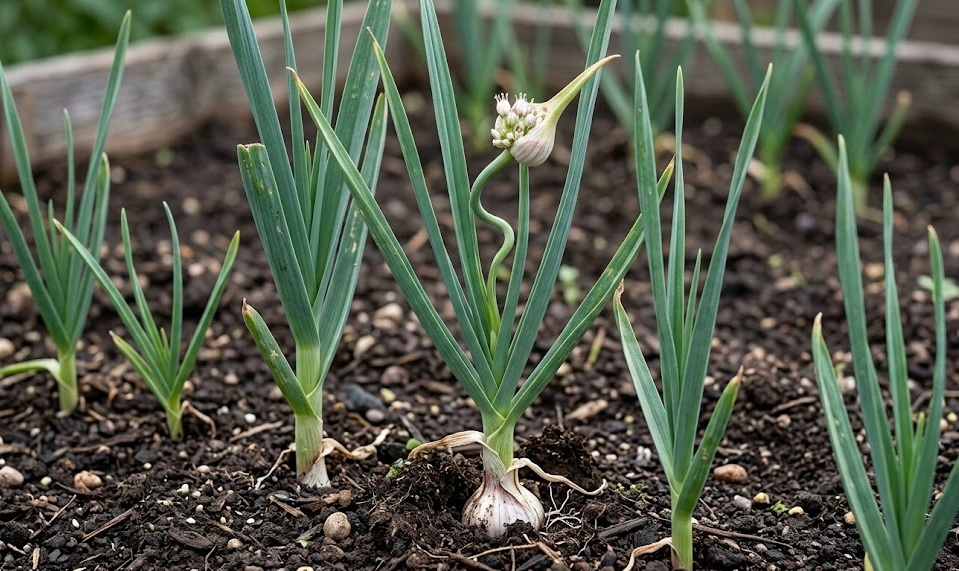

Garlic is a hardy crop, but it is not immune to the various biological threats that inhabit the soil and the air. From microscopic fungi to invasive insects, these challenges can significantly reduce yields or even destroy an entire harvest if left unchecked. A professional management strategy focuses on prevention, early detection, and integrated control measures. This comprehensive guide details the most common diseases and pests affecting garlic and how to protect your crop effectively.
Understanding fungal and soil-borne diseases
White rot is perhaps the most devastating disease a garlic grower can encounter in the garden or field. Caused by the fungus Sclerotium cepivorum, it can survive in the soil for decades, making it extremely difficult to eradicate once established. The first signs are often yellowing leaves and a general wilting of the plant, followed by a white, cottony growth at the base of the bulb. Preventing the introduction of this fungus through clean planting stock is the most important defense for any gardener.
Downy mildew and rust are foliar diseases that thrive in cool, moist conditions with poor air circulation. Garlic rust appears as small, orange or reddish spots on the leaves that can eventually cover the entire surface, inhibiting photosynthesis. While rust rarely kills the plant outright, it can severely limit bulb size and weaken the garlic’s overall vitality. Improving spacing between plants and avoiding overhead watering are effective ways to reduce the humidity levels that these fungi require.
Basal rot, caused by Fusarium species, targets the root plate and the base of the cloves during the growing season. This disease often manifests as a slow decline in the plant’s health, with the roots eventually turning brown and disappearing. Infected bulbs may appear healthy at harvest but will quickly rot during the curing and storage phases. Crop rotation is a vital tool for managing Fusarium levels, as it prevents the fungus from building up a large population in a single area.
Botrytis neck rot is a common issue that often appears during the storage period but starts in the field. It enters the bulb through the neck or through physical wounds caused by careless handling during harvest. The affected tissue becomes soft and water-soaked, eventually turning into a gray, moldy mass that ruins the bulb. Ensuring that the garlic is properly cured in a dry, well-ventilated area is the primary method for preventing this destructive post-harvest disease.
More articles on this topic
Identifying and managing insect pests
The onion maggot is one of the most common insect pests that can cause significant damage to young garlic plants. These larvae tunnel into the base of the bulb and the lower stem, causing the plant to turn yellow and eventually die. Damage is usually most severe in the early spring when the weather is cool and damp, which favors the maggot’s development. Using row covers during the peak egg-laying period of the adult flies can provide an effective physical barrier to protect the crop.
Garlic bloat nematode is a microscopic pest that lives inside the plant tissues and the soil, causing distorted growth. Infected plants often have swollen, twisted leaves and bulbs that feel light and spongy rather than firm. Because nematodes can be carried on infected cloves, it is critical to only use certified, pest-free planting material. If a nematode infestation is confirmed, the affected plants must be removed and destroyed, and the area should not be used for alliums for several years.
Thrips are tiny, slender insects that feed on the sap of the garlic leaves, leaving behind silvery streaks or blotches. In large numbers, thrips can cause the foliage to wither prematurely, which directly impacts the size of the developing bulb. They are particularly active during hot, dry weather and can move quickly between different garden crops. Natural predators like ladybugs and lacewings can help keep thrip populations in check, but significant infestations may require the use of organic insecticidal soaps.
Leek moths are a relatively new threat in some regions, with the larvae boring into the leaves and even the bulbs of garlic. The damage is often visible as “windows” in the leaves where the larvae have eaten the inner tissue while leaving the outer skin intact. Identifying the presence of leek moths early is key to preventing them from reaching the bulb stage. Pheromone traps and strategic planting dates can help growers monitor and mitigate the impact of this invasive pest on their harvest.
More articles on this topic
Preventative measures and cultural controls
The foundation of a healthy garlic crop is the use of clean, disease-free planting material from a trusted source. Many diseases are introduced into a garden through infected cloves that appear healthy to the naked eye. Investing in certified seed garlic or carefully inspecting your own saved stock is the first line of defense against long-term soil contamination. If you have any doubt about the health of a bulb, it is always better to discard it than to risk infecting your entire plot.
Crop rotation is a non-negotiable practice for professional garlic growers aiming to minimize disease and pest pressure. Moving the garlic to a different area of the garden each year breaks the life cycle of soil-borne pathogens and specialized insects. A minimum of a three-year rotation is recommended, avoiding all members of the allium family, including onions, leeks, and chives. This simple cultural practice is one of the most effective and low-cost ways to maintain a healthy growing environment.
Proper garden hygiene involves removing any plant debris or “volunteers” that might harbor pests and diseases over the winter. Many fungi and insects survive the off-season in the remains of the previous year’s crop, ready to infect the new planting. Tilling the soil in the fall can also expose overwintering pests to the elements and to hungry birds. A clean and tidy garden is much less likely to suffer from chronic pest and disease issues than a neglected one.
Improving soil drainage and structure is another vital preventative measure for reducing the risk of rot and fungal infections. Garlic grown in heavy, waterlogged soil is much more susceptible to basal rot and other soil-borne pathogens. Adding organic matter and using raised beds can ensure that excess water drains away from the bulbs quickly. A healthy, well-drained soil environment supports a robust root system that can better withstand minor pest and disease challenges.
Organic and chemical intervention strategies
When preventative measures are not enough, organic treatments can provide an additional layer of protection for the garlic crop. Neem oil and horticultural soaps are effective against many soft-bodied insects like thrips and aphids without harming the broader ecosystem. Copper-based fungicides can be used to manage foliar diseases like rust, provided they are applied correctly and at the right time. Always follow the manufacturer’s instructions and consider the impact on beneficial insects before applying any treatment.
Biological controls involve the use of natural enemies to manage pest populations in the garden. For example, releasing beneficial nematodes into the soil can help control onion maggots and other soil-dwelling larvae. Encouraging a diverse population of predatory insects through the planting of companion flowers creates a self-regulating environment. This “integrated pest management” approach focuses on long-term stability rather than short-term eradication of every single bug.
In some commercial settings, chemical interventions may be used as a last resort to save a crop from a severe outbreak. However, for most home and professional gardeners, these are often unnecessary and can lead to resistance issues over time. Synthetic pesticides can also disrupt the delicate balance of the soil microbiome, which is essential for garlic health. If chemical use is considered, it should be done with extreme caution and only as part of a broader, integrated strategy.
The timing of any intervention is critical for its success, as many pests and diseases have specific windows of vulnerability. Monitoring the weather and the physical condition of the plants allows the gardener to act at the most effective moment. Early detection of a problem can often be solved with simple manual removal or a minor adjustment in care. Being a proactive and observant gardener is the most powerful tool for managing the health of your garlic crop.
Monitoring and long-term health assessment
Regular scouting of the garlic beds should be a standard part of the gardener’s weekly routine. Walking through the rows and inspecting the foliage for discoloration, spots, or signs of insect feeding takes only a few minutes. Early signs of trouble can often be addressed before they spread to the rest of the crop. Keeping a notebook to record when specific issues appear can help identify recurring patterns and plan for future seasons.
Soil testing is not just for nutrients; it can also provide information about the presence of certain pathogens. Some specialized laboratories can test soil samples for nematode levels or the presence of specific fungal spores. Knowing exactly what is in your soil allows you to make informed decisions about rotation and variety selection. This scientific approach to gardening takes the guesswork out of disease and pest management.
Variety selection can also play a role in how well your garlic stands up to local challenges. Some cultivars have a natural resistance or tolerance to specific diseases like rust or certain types of rot. Experimenting with several different varieties allows you to find the ones that are most resilient in your particular microclimate. Over time, you can develop a “local strain” that is perfectly adapted to the specific pest and disease pressures of your land.
A successful harvest is the result of a season-long commitment to the health and well-being of the plants. While it is impossible to eliminate every risk, a professional approach to management minimizes the impact of diseases and pests. By combining preventative practices with careful observation and targeted interventions, you can ensure a bountiful and healthy garlic crop year after year. The resilience of the garlic reflects the skill and dedication of the gardener who tends it.