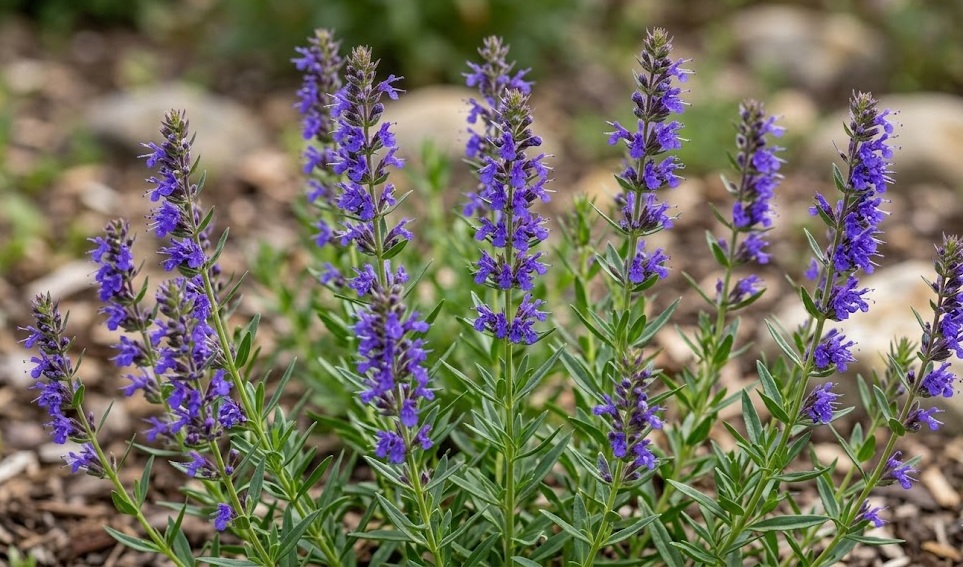

Maintaining a professional herb garden requires a vigilant eye and a proactive strategy for managing potential biological threats. While hyssop is generally regarded as a robust and hardy plant, it is not entirely immune to the pressures of pests and diseases. Understanding the specific vulnerabilities of the species allows the gardener to implement preventative measures that reduce the need for aggressive chemical treatments. A healthy plant in a balanced ecosystem is always the best defense against the natural challenges that arise in the agricultural landscape.
Most issues affecting hyssop are related to environmental conditions that favor the growth of pathogens or the reproduction of insect pests. High humidity and poor airflow are the primary drivers of fungal infections, which can quickly mar the appearance of the foliage. Similarly, plants that are stressed by drought or poor nutrition are more attractive to opportunistic insects seeking a food source. By optimizing the growing environment, the grower can significantly lower the overall pest pressure and keep the herb collection in top condition.
Regular scouting of the plants is a fundamental practice for any serious horticulturist, as early detection is key to successful management. Inspecting the undersides of leaves and the interior of the plant canopy can reveal the first signs of trouble before a full-blown infestation occurs. Keeping records of when certain pests appear each year can help in predicting and preparing for future outbreaks. Knowledge of the life cycles of both the pests and the beneficial insects in the garden is essential for making informed management decisions.
Integrated Pest Management (IPM) is the gold standard for controlling diseases and pests in a sustainable and professional manner. This approach prioritizes cultural and biological controls over synthetic pesticides, which can harm beneficial pollinators and contaminate the harvest. Using physical barriers, introducing natural predators, and selecting disease-resistant varieties are all part of a comprehensive IPM strategy. By working with nature’s own checks and balances, the gardener can maintain a productive and healthy hyssop crop for many years.
Identifying common fungal issues
Powdery mildew is one of the most frequent fungal diseases encountered by hyssop growers, especially during periods of warm, humid weather. It appears as a white, flour-like dusting on the surface of the leaves, which can eventually lead to leaf yellowing and premature drop. While it rarely kills a mature plant, it significantly reduces the aesthetic appeal and can interfere with the plant’s ability to photosynthesize. Increasing spacing between plants and ensuring they are located in a sunny spot with good breeze can help prevent this issue.
More articles on this topic
Root rot, often caused by species of Phytophthora or Pythium, is a much more serious condition that thrives in waterlogged soils. The symptoms usually begin underground with the decay of the fine root hairs, eventually progressing upward to the crown and stems. Infected plants may appear wilted even when the soil is wet, and their growth will be severely stunted compared to healthy neighbors. Improving soil drainage and being careful not to overwater are the most effective ways to avoid this devastating and often fatal disease.
Rust is another fungal pathogen that can occasionally affect hyssop, presenting as small, orange or brown pustules on the undersides of the foliage. These pustules contain thousands of spores that are easily spread by wind and splashing water, leading to a rapid expansion of the infection. Heavily infected leaves will eventually shrivel and die, which can weaken the plant over several seasons if left unchecked. Removing and destroying affected foliage as soon as it is spotted can help break the infection cycle and protect the rest of the garden.
Verticillium wilt is a soil-borne fungus that enters the plant through the roots and clogs the vascular system, preventing the movement of water and nutrients. This disease often causes one side of a plant or specific branches to wilt and turn brown while the rest of the herb appears healthy. Because the pathogen can persist in the soil for many years, it is important to avoid planting hyssop in areas where other susceptible crops have recently died. There is no cure for this wilt, so prevention through crop rotation and soil management is the only viable strategy.
Managing aphid infestations
Aphids are small, soft-bodied insects that can cluster in large numbers on the tender new growth and flower buds of the hyssop plant. They feed by sucking the sap from the plant tissue, which can lead to distorted leaves and a general lack of vigor in the affected stems. Aphids also secrete a sticky substance known as honeydew, which can attract ants and provide a medium for the growth of sooty mold. In a professional garden, a small number of aphids can often be ignored, but large populations require active management.
More articles on this topic
A strong stream of water from a garden hose can often be enough to physically dislodge aphids from the plant without the use of any chemicals. This simple mechanical control is surprisingly effective if repeated every few days until the population has been brought under control. It is important to target the undersides of the leaves where the insects like to hide and reproduce. This method is safe for the environment and does not harm the beneficial insects that may be present in the garden.
Insecticidal soaps and horticultural oils can be used for more persistent aphid problems, as they work by smothering the insects on contact. These products should be applied in the early morning or late evening to avoid burning the foliage under the hot midday sun. Because they have no residual effect, complete coverage of the affected areas is necessary for the treatment to be successful. Always test a small area of the plant first to ensure that the hyssop variety you are growing is not sensitive to the oil or soap.
Encouraging natural predators like ladybugs, lacewings, and parasitic wasps is the most sustainable way to keep aphid populations in check. These beneficial insects can be attracted to the garden by planting a variety of flowering herbs and avoiding the use of broad-spectrum pesticides. A diverse garden ecosystem provides the habitat and food sources necessary for these “garden allies” to thrive and do the work of pest control for you. Over time, a balanced insect population will result in fewer outbreaks and a more resilient agricultural system.
Natural pest control methods
Bacillus thuringiensis, commonly known as Bt, is a naturally occurring soil bacterium that can be used to control caterpillar pests that may feed on hyssop. When ingested by the larvae, the bacterium produces a toxin that specifically targets their digestive system, leading to a quick and natural death. This biological control is highly specific and does not harm humans, pets, or beneficial insects like bees and butterflies. It is an excellent tool for the organic gardener who wants to protect their herbs without compromising the safety of the environment.
Neem oil, derived from the seeds of the neem tree, is a versatile organic treatment that acts as both a pesticide and a fungicide. It works by disrupting the hormonal systems of many common garden pests, preventing them from feeding, growing, and reproducing. Neem oil also has repellent properties that can discourage insects from landing on and laying eggs on the treated hyssop plants. Regular applications every two weeks can provide a proactive layer of protection against a wide range of potential threats.
Diatomaceous earth is a natural powder made from the fossilized remains of tiny aquatic organisms that can be used to control crawling insects. The microscopic sharp edges of the powder physically damage the exoskeletons of pests like slugs, snails, and beetles, causing them to dehydrate. It should be applied to the soil around the base of the plant during dry weather, as it loses its effectiveness when wet. This non-toxic barrier is a great way to protect young hyssop plants from being consumed by ground-dwelling pests.
Companion planting can also serve as a natural form of pest control by using the scents of other plants to confuse or repel harmful insects. Planting strong-smelling herbs like garlic or chives near your hyssop can help mask its presence from pests that find their hosts through smell. Some plants even release chemicals into the soil that can inhibit the growth of certain pathogens or deter root-feeding nematodes. Incorporating these traditional techniques into a modern garden plan adds an extra layer of defense and ecological complexity.
Soil-borne pathogens
Nematodes are microscopic roundworms that live in the soil and can feed on the roots of hyssop, causing galls or stunted root systems. Above ground, the symptoms of a nematode infestation often look like nutrient deficiencies or drought stress, making them difficult to diagnose without a soil test. Heavily infested plants will eventually lose their vigor and may die prematurely if the population is not managed. Adding plenty of organic matter to the soil can help support the natural enemies of nematodes and improve the plant’s overall resilience.
Fusarium wilt is another soil-borne fungus that can infect hyssop through the roots, causing the vascular tissue to turn brown and the leaves to yellow. This pathogen is particularly hardy and can survive in the soil or on plant debris for many years, even in the absence of a host. There are no effective chemical treatments for Fusarium once a plant is infected, so prevention is focused on using clean nursery stock and practicing good garden hygiene. If a plant is confirmed to have the disease, it should be removed and the soil in that area should not be used for susceptible herbs for several seasons.
Sclerotinia, often called white mold, can affect the stems of hyssop near the soil line, especially in crowded beds with poor air circulation. It produces a white, cottony growth that can eventually form hard, black resting structures known as sclerotia inside the stems. These structures fall to the ground and allow the fungus to overwinter and infect future crops. Keeping the garden bed clean and avoiding overhead irrigation can help reduce the humidity levels that favor the development of this pathogen.
Preventing the spread of soil-borne pathogens requires a commitment to sanitation and the careful management of garden tools and equipment. Always clean your shears and trowels with a disinfectant after working on a suspect plant to avoid carrying spores to healthy areas. Avoid moving soil from infected beds to clean parts of the garden through footwear or machinery. By being mindful of these pathways, the professional grower can maintain a clean environment and minimize the impact of these hidden threats.