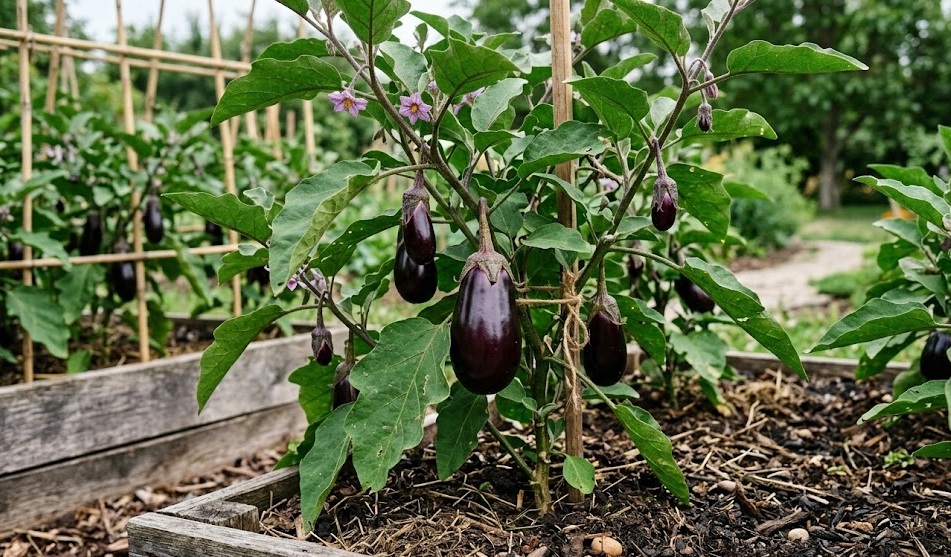

Protecting eggplants from the myriad of biological threats they face is a constant challenge for even the most experienced agriculturalists. Because they belong to the same family as tomatoes and peppers, they are susceptible to a wide range of overlapping pathogens and insect predators. A successful management strategy relies on early detection, accurate identification, and a commitment to preventative measures that strengthen the plant’s natural defenses. By understanding the life cycles of common pests and diseases, you can intervene effectively before a minor issue turns into a crop-wide disaster.
Common fungal and bacterial diseases
Verticillium wilt is perhaps the most notorious soil-borne disease affecting eggplants, causing the plants to suddenly yellow and wilt, often on just one side. The fungus enters through the roots and clogs the vascular system, preventing the movement of water and nutrients to the upper parts of the plant. Unfortunately, there is no cure for an infected plant, making prevention through crop rotation and the use of resistant varieties essential. You should avoid planting eggplants in the same spot where other Solanaceous crops have grown in the last three to four years.
Phomopsis blight is another significant fungal threat that can attack all parts of the plant, from the seedlings to the mature fruit. It often appears as circular, brown spots on the leaves which eventually develop gray centers dotted with small black specks. On the fruit, it causes soft, sunken spots that rapidly expand, eventually leading to a complete rot of the vegetable. High humidity and splashing water are the primary drivers of this disease, so maintaining dry foliage and good air circulation is your best line of defense.
Bacterial wilt is a devastating condition caused by pathogens that thrive in warm, moist soils and enter the plant through root wounds. Unlike fungal wilts, bacterial wilt can cause a seemingly healthy plant to collapse almost overnight, even while the leaves are still green. If you cut the stem of an infected plant, you may see a milky white substance oozing from the vascular tissue, which is a classic diagnostic sign. Since the bacteria can persist in the soil for many years, managing soil drainage and avoiding mechanical root damage are critical preventative steps.
Powdery mildew often appears later in the season when the days are warm and the nights are cool and humid. It manifests as a white, flour-like coating on the surface of the leaves, which can eventually lead to yellowing and premature leaf drop. While rarely fatal on its own, it weakens the plant and reduces its ability to produce high-quality fruit by interfering with photosynthesis. Pruning for better light penetration and using organic sprays like neem oil or potassium bicarbonate can help keep this common fungus under control.
More articles on this topic
Identifying and managing insect pests
Flea beetles are small, jumping insects that are particularly dangerous to young eggplant seedlings during the early spring. They chew hundreds of tiny “shotholes” in the leaves, which can quickly overwhelm a small plant and stunt its growth significantly. You can protect young transplants by using floating row covers until the plants are large enough to withstand some minor feeding damage. Yellow sticky traps are also effective for monitoring their population and capturing the adults before they can lay eggs in the soil.
The Colorado potato beetle is a formidable pest that can completely defoliate an eggplant crop if left unchecked by the gardener. Both the striped adults and the soft-bodied, orange larvae are voracious eaters that focus on the tender foliage and growing tips. Hand-picking the beetles and crushing the bright yellow egg masses found on the undersides of leaves is a highly effective, though labor-intensive, control method. For larger infestations, biological insecticides containing Bacillus thuringiensis (Bt) can target the young larvae without harming beneficial insects.
Spider mites are nearly invisible pests that thrive in the hot, dry conditions often found in mid-summer gardens. They feed on the underside of the leaves, sucking out the plant juices and leaving behind a characteristic stippling or yellowing of the foliage. In severe cases, you may see fine webbing between the stems and leaves, which indicates a very high population density. Increasing the local humidity and using a strong stream of water to wash the mites off the plants are effective non-chemical ways to manage their numbers.
Aphids are another common visitor, often congregating in large numbers on the tender new growth and the undersides of leaves. They excrete a sticky substance called honeydew, which can attract ants and provide a medium for the growth of black sooty mold. While individual aphids are small, their ability to reproduce rapidly means they can quickly cause leaf curling and distortion. Encouraging natural predators like ladybugs and lacewings is the most sustainable way to keep aphid populations below the threshold of economic damage.
More articles on this topic
Viral threats and transmission vectors
Tobacco Mosaic Virus (TMV) is a widespread viral pathogen that causes mottled, mosaic-like patterns of light and dark green on the eggplant leaves. Infected plants often produce small, misshapen fruits and may exhibit stunted growth throughout the remainder of the season. Because the virus is extremely hardy and can be spread through contaminated tools or even the hands of smokers, strict hygiene is paramount. Always wash your hands and disinfect your pruning shears before moving between different plants in the garden.
Cucumber Mosaic Virus (CMV) is primarily spread by aphids and can cause severe narrowing of the leaves, a condition often referred to as “shoestringing.” This virus can infect a vast range of host plants, including many common weeds, which serve as reservoirs for the pathogen between seasons. Managing the aphid population is the most direct way to reduce the risk of CMV transmission to your eggplants. Unfortunately, once a plant is infected with a virus, it cannot be cured and should be removed and destroyed to prevent further spread.
Tomato Spotted Wilt Virus (TSWV) is transmitted by tiny insects called thrips and causes dark, concentric rings or spots on the leaves and fruit. This virus can be particularly devastating because it affects so many different crops and ornamental plants simultaneously. Control of thrips through the use of reflective mulches or targeted biological controls is the primary strategy for managing this viral threat. Selecting resistant varieties, when available, provides the most reliable long-term protection against the unpredictable nature of viral outbreaks.
Prevention is the only real “treatment” for viral diseases in the garden, as there are no chemical sprays that can eliminate a virus once it is inside the plant. This highlights the importance of maintaining a clean garden environment and managing the insect vectors that carry these pathogens. Removing weeds that might harbor viruses and rotating your crops are foundational practices for any serious vegetable grower. By focusing on the overall health of the ecosystem, you can significantly reduce the impact of these invisible but potent threats.
Integrated pest management strategies
Integrated Pest Management (IPM) is a holistic approach that combines biological, cultural, and physical controls to manage pests with minimal reliance on synthetic chemicals. The first step is regular scouting, where you spend time each day inspecting your plants for the earliest signs of trouble. By catching a pest infestation or a disease outbreak early, you can often manage it with simple, non-invasive techniques. This proactive mindset is much more effective than waiting for a problem to become severe before taking action.
Cultural controls involve creating an environment that is less favorable to pests and diseases while supporting the health of the eggplant. This includes practices like proper spacing for air circulation, using drip irrigation to keep leaves dry, and maintaining optimal soil fertility. A healthy, vigorous plant is naturally more resistant to many common issues and can recover more quickly from minor damage. Think of your garden as a complex system where every decision you make affects the balance of the entire ecosystem.
Biological control focuses on supporting the natural enemies of the pests that attack your eggplants. Planting a diverse range of flowers near your vegetables will attract predatory insects like hoverflies, parasitic wasps, and minute pirate bugs. These “garden allies” can often keep pest populations under control without any intervention from the gardener. Avoid using broad-spectrum insecticides that kill these beneficial insects, as this often leads to a secondary pest outbreak later in the season.
Physical barriers and mechanical controls are also important tools in the IPM toolbox for protecting your valuable crops. Floating row covers can exclude many flying insects, while copper tape or diatomaceous earth can deter slugs and snails. Netting can protect the developing fruits from birds or larger mammals that might be tempted by the harvest. These simple, physical solutions provide effective protection without introducing any chemicals into the food chain or the surrounding environment.
Preventative measures and garden hygiene
Maintaining a high level of garden hygiene is the single most important factor in preventing the spread of diseases among your eggplants. Always remove and destroy any plant material that shows signs of infection rather than adding it to your compost pile, where pathogens might survive. At the end of the growing season, clear away all crop debris to prevent pests and fungi from overwintering in the soil. This “clean slate” approach ensures that you are not carrying last year’s problems into the new growing season.
Disinfecting your tools, stakes, and containers is another critical habit that prevents the accidental transfer of microscopic pathogens. A simple solution of one part bleach to nine parts water is effective for sterilizing metal tools and plastic trays after each use. Pay special attention to your pruning shears, as they can easily transport viruses and bacteria from one plant to another through the sap. This small investment of time can save you from losing an entire row of plants to an easily preventable infection.
Crop rotation is a fundamental agricultural practice that breaks the life cycles of soil-borne pests and diseases by depriving them of their host plants. You should aim for at least a three-year rotation, meaning eggplants should not follow tomatoes, peppers, or potatoes in the same soil. This practice also helps maintain soil fertility by preventing the depletion of specific nutrients that Solanaceous plants require in high amounts. Planning your garden layout with rotation in mind is a hallmark of professional-level land management.
Finally, always start with healthy, disease-free seeds and transplants from a reputable source to ensure you are not introducing problems into your garden. If you buy transplants, inspect them carefully for any signs of spots, wilting, or hitchhiking insects before bringing them home. Starting your own plants from certified seed is the most reliable way to maintain a clean and healthy growing environment from the very beginning. By being selective and disciplined, you can enjoy a productive season with minimal interference from the many threats that face the eggplant.