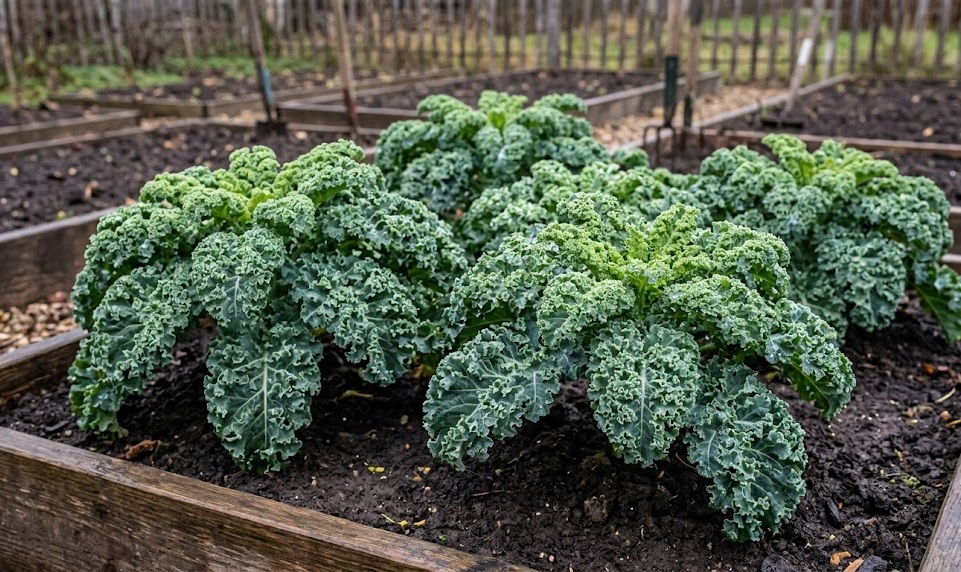

Protecting curly kale from the various biological threats that inhabit the garden environment is a constant priority for the professional grower. Because of its dense, ruffled leaves and high nutrient content, this plant is an attractive target for a wide range of insects and pathogens. Successfully managing these challenges requires a proactive approach that emphasizes prevention, early detection, and the use of integrated pest management strategies. By understanding the life cycles of these threats, you can maintain a healthy crop without resorting to harsh chemical interventions.
The most iconic pest associated with this crop is the cabbage white butterfly, whose larvae are known as cabbage worms. These green caterpillars can blend in perfectly with the leaves and quickly consume large amounts of foliage if left unchecked. You will often see the adult butterflies fluttering around your garden, which is a clear sign that eggs are being laid on the undersides of the leaves. Regular inspection and manual removal are the simplest and most effective ways to manage small populations.
Aphids are another frequent visitor, often congregating in large numbers within the protected folds of the curly leaves. These tiny, sap-sucking insects can cause the leaves to curl further or turn yellow, and they often excrete a sticky substance called honeydew. A strong stream of water from a garden hose is often enough to dislodge them and reduce their numbers significantly. For more persistent infestations, insecticidal soaps or neem oil can be used as effective organic controls.
Slugs and snails can be particularly destructive to young kale plants, especially during damp or rainy weather. They hide in the mulch or under the leaves during the day and emerge at night to feed, leaving behind large, ragged holes. You can manage their population by removing their hiding spots or using organic slug baits that are safe for pets and wildlife. Maintaining a clean garden area with good airflow also makes the environment less hospitable for these moisture-loving pests.
Fungal issues and root pathogens
Fungal diseases like downy mildew and powdery mildew can occasionally affect kale, especially when humidity is high and airflow is restricted. These issues appear as white or gray fuzzy patches on the leaf surfaces, which can eventually lead to tissue death. To prevent these problems, you should ensure that your plants are spaced properly to allow for maximum air circulation. Watering at the base of the plant rather than from above also keeps the leaves dry and less susceptible to spores.
More articles on this topic
Clubroot is a more serious soil-borne disease that affects the root systems of many plants in the cabbage family. It causes the roots to become swollen and distorted, which prevents the plant from taking up water and nutrients effectively. Once clubroot is established in the soil, it can persist for many years, making crop rotation essential for long-term garden health. If you suspect clubroot, you should avoid planting any brassicas in that specific area for several seasons to break the disease cycle.
Black rot is a bacterial disease that can cause significant damage to the vascular system of the kale plant. It often starts at the leaf margins, creating V-shaped yellow or brown lesions that move toward the center of the leaf. This pathogen thrives in warm, wet conditions and can be spread by splashing water or contaminated garden tools. Using clean seeds and removing any infected plant material immediately are the best ways to prevent a widespread outbreak in your garden.
Maintaining a healthy soil microbiome is one of the most effective ways to suppress many of these common pathogens. Beneficial fungi and bacteria in the soil can compete with harmful organisms and even stimulate the plant’s own immune system. Regular additions of high-quality compost and the avoidance of over-watering will help keep this underground ecosystem in balance. A resilient plant growing in healthy soil is much better equipped to handle minor disease pressure without significant loss.
Integrated pest management strategies
Integrated Pest Management, or IPM, is a professional philosophy that combines multiple tools and techniques to manage pests in an environmentally responsible way. The first step in any IPM program is regular monitoring to understand which pests are present and in what numbers. This allows you to set “action thresholds,” meaning you only intervene when the pest population reaches a level that causes real damage. This approach avoids unnecessary treatments and protects the beneficial insects that live in your garden.
More articles on this topic
Encouraging natural predators is a key component of a successful biological control strategy. Ladybugs, lacewings, and predatory wasps are all excellent allies that feed on common pests like aphids and caterpillars. You can attract these beneficial insects by planting a variety of flowers and herbs near your kale crop that provide them with pollen and nectar. Creating a diverse garden ecosystem is often the most sustainable way to keep pest populations in check naturally.
Physical barriers can also be used to protect your plants from flying insects like the cabbage white butterfly. Lightweight row covers made of mesh or fabric allow light and water to reach the plants while physically preventing pests from laying their eggs. This is a very effective strategy for young plants that are particularly vulnerable to damage. Just be sure to secure the edges of the covers to the ground so that pests cannot crawl underneath them.
Crop rotation is another vital professional tool that helps prevent the buildup of pest and disease populations in the soil. By moving your kale to a different part of the garden each year, you make it harder for specialized pests to find their host plants. Ideally, you should not plant kale or its relatives in the same spot more than once every three or four years. This simple practice is one of the most effective long-term strategies for maintaining a healthy and productive vegetable garden.
Organic deterrents and natural sprays
If a pest population does become unmanageable through manual or biological means, there are several organic sprays that can be used. Neem oil is a popular choice because it works against a wide range of insects and also has some antifungal properties. It acts as both a repellent and a growth disruptor, making it a versatile tool for the organic gardener. Always apply these sprays in the evening or on a cloudy day to prevent the oil from burning the leaves under direct sunlight.
Bacillus thuringiensis, commonly known as Bt, is a naturally occurring bacterium that is highly effective against caterpillars. It is a very specific control method that only affects the larvae of butterflies and moths, leaving other beneficial insects unharmed. When the caterpillars eat the treated leaves, the bacteria disrupt their digestive system, causing them to stop feeding. This is considered one of the safest and most effective organic options for managing cabbage worm infestations.
Homemade sprays using ingredients like garlic, hot pepper, or mild dish soap can also act as effective deterrents for many common pests. These solutions work by making the leaves taste unpleasant or by physically irritating the insects. While they may need to be reapplied more frequently than commercial products, they are a low-cost and environmentally friendly option for many growers. Always test a small area of the plant first to ensure the solution does not cause any leaf damage.
The goal of using any spray, even an organic one, should be to supplement your other management practices rather than replace them. Over-reliance on any single tool can lead to the development of resistance in the pest population over time. By combining sprays with physical barriers, biological controls, and good cultural practices, you create a robust system of defense. This holistic approach ensures that your curly kale remains healthy and beautiful throughout the entire growing season.
Cultural practices for disease prevention
Many of the most common issues in the kale garden can be prevented simply by following good cultural practices. Starting with high-quality, disease-free seeds or transplants is the first step in ensuring a healthy crop. If you are starting your own seeds, using a sterile growing medium and clean containers will prevent many early-stage diseases. Once in the garden, maintaining the health of the soil and providing proper nutrition will make the plants more resilient to all types of stress.
Proper sanitation is another critical aspect of professional garden management that is often overlooked. You should always remove any dead or diseased plant material from the garden and dispose of it properly, ideally by composting it in a hot pile or removing it from the site. Leaving infected leaves on the ground provides a reservoir for pathogens to overwinter and reinfect your future crops. Keeping your garden tools clean and sharp also prevents the accidental spread of bacteria and fungi between plants.
Airflow is your best friend when it comes to preventing leaf diseases in dense, curly foliage. In addition to proper spacing, you can strategically remove some of the lower leaves to increase the movement of air around the base of the plant. This helps the foliage dry out quickly after rain or irrigation, making it much harder for fungal spores to germinate. A well-ventilated garden is naturally less prone to many of the humidity-related issues that can plague leafy greens.
Finally, managing the timing of your activities can also play a role in disease prevention. For example, you should avoid working in your kale patch when the leaves are wet, as this is the easiest way to spread pathogens from one plant to another. By planning your harvests and maintenance for dry periods, you significantly reduce the risk of accidental infection. These small, thoughtful adjustments to your routine can have a major impact on the overall success and longevity of your kale harvest.