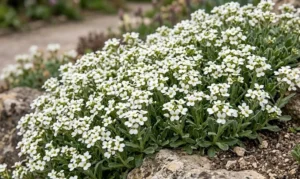
While creeping bellflower is a remarkably tough and resilient plant, it is not entirely immune to the challenges of diseases and pests. A professional gardener knows that early detection and a proactive management plan are the keys to keeping these issues from becoming major problems. By understanding the common threats and knowing how to respond, you can maintain a beautiful and healthy garden throughout the entire season. Success in pest and disease control often comes down to good garden hygiene and regular, careful observation of your plants.
Identifying rust and leaf spots
One of the most frequent fungal issues encountered with this species is rust, which appears as small orange or yellow pustules on the undersides of the leaves. This condition thrives in humid environments where air circulation is poor and the foliage remains wet for extended periods. If left untreated, rust can cause the leaves to yellow and drop prematurely, weakening the plant over time. You should check the interior of dense clumps regularly, as this is where rust is most likely to start its development.
Leaf spot is another common fungal disease that manifests as circular brown or black lesions on the surface of the foliage. These spots can eventually merge, leading to larger dead areas on the leaves and a general decline in the plant’s appearance. Like rust, leaf spot is often spread by splashing water or contaminated gardening tools. Maintaining a clean garden environment and avoiding overhead watering are the first lines of defense against these types of fungal infections.
To manage an active outbreak, you should immediately remove and destroy any infected foliage to prevent the spores from spreading further. Do not place this material in your home compost pile, as the heat may not be sufficient to kill the fungal spores. For severe or recurring infections, a professional-grade fungicide labeled for use on perennials can be applied according to the manufacturer’s instructions. Always aim to treat the problem as soon as the first symptoms appear for the best results.
Preventing these issues in the first place is much easier than trying to cure them once they have taken hold. Ensuring that your bellflowers have plenty of space for air to circulate between the stems is a simple but highly effective preventative measure. Thinning out overcrowded colonies in the spring can significantly reduce the humidity levels within the foliage. A professional approach focuses on creating an environment where fungal diseases find it difficult to survive and flourish.
More articles on this topic
Managing slugs and snails
Slugs and snails are perhaps the most persistent pests for many gardeners, and they find the tender leaves of the bellflower quite attractive. These mollusks are most active at night or during damp, overcast days, leaving behind telltale silvery slime trails on the ground and foliage. They can quickly chew large, irregular holes in the leaves and even decapitate young seedlings if the population is high. Protecting your plants from these hungry visitors requires a combination of physical and cultural controls.
One of the simplest ways to manage slugs and snails is to eliminate their hiding places during the day, such as piles of debris or thick weeds. Keeping the area around your bellflowers clean and well-maintained makes it much less inviting for these pests to stay. You can also create physical barriers using crushed eggshells, diatomaceous earth, or copper tape, which are difficult for slugs to cross. These non-chemical methods are often preferred by professionals who want to maintain a balanced and eco-friendly garden.
If physical barriers are not enough, you can set up simple traps using shallow containers filled with beer or a sugar-water yeast mixture. Slugs are attracted to the scent, crawl into the liquid, and drown, allowing you to monitor and reduce their numbers effectively. Hand-picking the pests in the evening with a flashlight is also a very effective, albeit time-consuming, way to manage a localized infestation. Consistency is key when using these methods to keep the population under control throughout the growing season.
For larger areas or more significant problems, iron phosphate-based slug pellets are a safer alternative to older, more toxic chemical baits. These pellets are effective at reducing slug numbers while being less harmful to pets, birds, and beneficial insects in the garden. Always follow the application rates on the label and reapply after heavy rain to maintain protection. Managing slugs and snails is an ongoing task that requires vigilance but pays off in the form of pristine and healthy bellflower foliage.
More articles on this topic
Mitigating spider mite damage
Spider mites are tiny, sap-sucking pests that can cause significant damage to creeping bellflowers, especially during hot, dry weather. Because they are so small, they are often difficult to see with the naked eye until the damage is already quite advanced. You might notice a fine, stippled yellowing of the leaves or delicate webbing between the stems as the infestation grows. These pests thrive in dusty conditions and can quickly weaken a plant by draining its vital fluids.
To check for spider mites, hold a piece of white paper under a leaf and tap it sharply; if you see tiny moving specks, you likely have an infestation. The first step in management is to increase the humidity around the plant by misting the foliage or providing regular water. A strong spray of water from a garden hose can also be used to physically knock the mites off the leaves and disrupt their life cycle. This simple mechanical control is often very effective for minor outbreaks.
If the problem persists, you may need to use insecticidal soap or neem oil to bring the population under control. These products work by suffocating the mites and are generally safe for use around other plants and beneficial insects when applied correctly. It is important to cover both the tops and bottoms of the leaves thoroughly, as spider mites tend to congregate on the undersides. Multiple applications spaced a few days apart are usually necessary to kill newly hatched mites.
Preventing spider mite issues often comes down to keeping your bellflowers well-hydrated and healthy. Stressed plants are much more susceptible to pest attacks than those that are receiving adequate water and nutrients. Reducing dust in the garden by mulching bare soil can also help keep spider mite populations from exploding during the height of summer. A professional gardener understands that a holistic approach to plant health is the best defense against these microscopic threats.
Natural fungicides and soaps
Using natural and organic treatments is a professional standard for many modern gardeners who want to protect the environment while managing plant health. Neem oil is a versatile tool that acts as both a fungicide and an insecticide, making it a staple in many garden sheds. It is derived from the seeds of the neem tree and is effective against a wide range of issues, including rust and various soft-bodied insects. When used as a preventative spray, it can stop fungal spores from germinating on the surface of the leaves.
Baking soda sprays are another traditional and effective natural remedy for managing fungal diseases like powdery mildew and leaf spot. A simple mixture of baking soda, water, and a few drops of dish soap can change the pH on the leaf surface, making it inhospitable to fungi. It is important to test this spray on a small area of the plant first to ensure it does not cause any leaf burn. Professional results come from finding the right balance of natural ingredients for your specific garden conditions.
Horticultural oils and insecticidal soaps are excellent choices for managing pests like aphids or mites without leaving behind harmful residues. These products must come into direct contact with the pests to be effective, so thorough coverage is essential during application. They are best applied during the cooler parts of the day to avoid any risk of phytotoxicity under the hot sun. Using these targeted treatments allows you to address specific problems while minimizing the impact on the rest of your garden’s ecosystem.
Education and experimentation are part of the process when moving toward a more natural pest and disease management strategy. You may find that some combinations of natural treatments work better for your bellflowers than others. Keeping a garden journal can help you track what you used and how effective it was for future reference. A professional approach involves constant learning and adapting your methods to achieve the healthiest and most beautiful garden possible.
Sanitation and garden hygiene
The most important aspect of preventing diseases and pests is maintaining a high standard of sanitation in your garden. This begins with cleaning your gardening tools after every use, especially after working with plants that show signs of infection. A simple solution of rubbing alcohol or a mild bleach mixture can effectively kill pathogens on your pruners and trowels. This prevents the accidental transfer of diseases from one part of the landscape to another.
Removing fallen leaves and spent flowers promptly is another critical hygiene practice that reduces the potential for pest and disease buildup. Debris left on the ground provides a perfect environment for many fungal spores to overwinter and re-infect the plants in the spring. It also provides a hiding place for pests like slugs and snails to congregate and multiply near your bellflowers. A tidy garden is not just about aesthetics; it is a fundamental part of a professional plant health program.
When you do find infected plant material, it is vital to dispose of it properly and immediately. Never leave diseased cuttings lying in the garden, and avoid putting them in a cold compost pile where the pathogens might survive. Burning the material or placing it in the trash are the safest ways to ensure that the disease cycle is broken. Good sanitation is a year-round commitment that pays dividends in the form of more resilient and vibrant plants.
Finally, consider the long-term impact of your garden layout on the health of your bellflowers. Avoid planting them in the same spot where diseased plants were previously located without first improving the soil and removing any old roots. Rotating or spacing out your perennials can also help prevent the buildup of soil-borne pathogens. A professional perspective on garden hygiene involves thinking several steps ahead to maintain a thriving botanical environment for years to come.