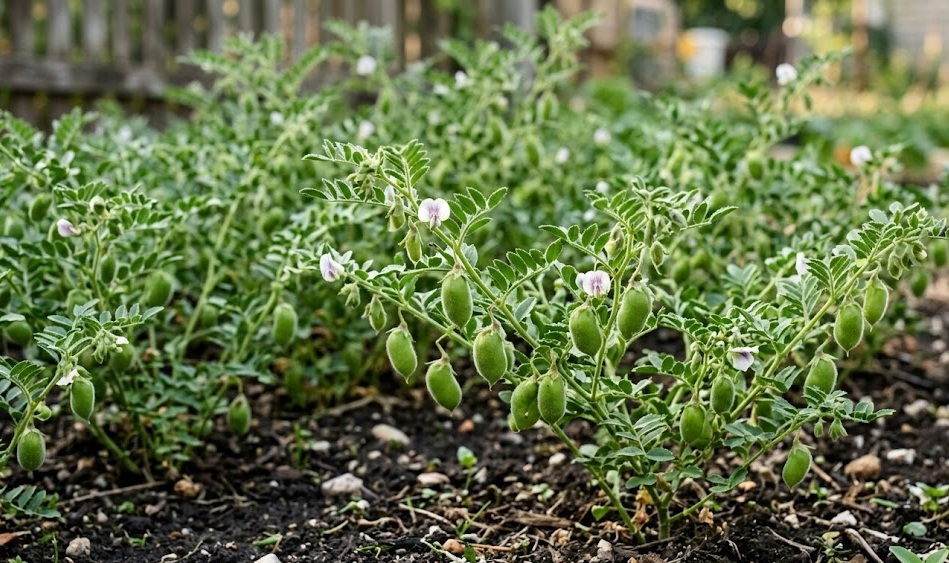

Protecting your chickpea crop from the wide variety of biological threats is a constant challenge that requires vigilance and expertise. You must be able to distinguish between environmental stress and the actual presence of pathogenic organisms or destructive insects. Early detection is the most important factor in preventing a small localized problem from turning into a full-scale field disaster. By implementing a professional integrated pest management strategy, you can minimize damage while reducing your reliance on heavy chemical interventions.
Fungal and soil-borne diseases
Fungal infections are among the most common and devastating problems you will face when growing chickpeas in humid or wet conditions. Ascochyta blight is a particularly dangerous disease that causes brown spots on the leaves and can quickly lead to the death of the entire plant. You should inspect the crop regularly for any signs of circular lesions or darkening of the stems, especially after periods of rain. If you detect blight early, you can take steps to remove infected plants or apply targeted treatments to stop the spread.
Fusarium wilt is another serious threat that attacks the vascular system of the plant, causing it to yellow and eventually collapse. You will often notice that the internal tissues of the stem turn dark or reddish-brown when this pathogen is present in the soil. Because this disease is soil-borne, it is very difficult to treat once the plants are already infected and showing signs of distress. The best professional approach is to use resistant varieties and practice strict crop rotation to prevent the fungus from building up in your land.
Root rot complexes can occur if the soil remains waterlogged for extended periods, especially during the cool days of early spring. You will see the plants becoming stunted and the lower leaves turning yellow as the root system begins to decay beneath the surface. Improving the drainage of your field and avoiding planting in low-lying areas are the most effective ways to prevent these issues. Maintaining a healthy soil structure with plenty of organic matter also helps the plants resist fungal attacks by promoting strong overall vigor.
Bacterial and viral infections
Bacterial blight can sometimes be mistaken for fungal issues, but it often produces water-soaked lesions that later turn brown and brittle. You might see a yellowish halo around the spots on the leaves, which is a characteristic sign of certain bacterial pathogens. These organisms often enter the plant through physical wounds caused by insects, hail, or improper handling during maintenance tasks. Keeping the field clean and minimizing physical damage to the plants are your best defenses against bacterial outbreaks.
More articles on this topic
Viral diseases are typically spread by insects like aphids that move from one plant to another while feeding on the sap. You will notice that infected plants often have mottled or distorted leaves, and their growth may be severely stunted compared to healthy neighbors. Stunt virus is a common problem in many regions, leading to a drastic reduction in both the size of the plant and the number of pods. Because there are no cures for viral infections, you must focus your efforts on controlling the insect populations that carry the pathogens.
Maintaining a diverse ecosystem around your chickpea field can help reduce the impact of these diseases by encouraging natural competitors. You should avoid monocultures where possible and use buffer strips of other crops to slow down the movement of pests and diseases. Professional growers also ensure that any seeds they use are certified disease-free to prevent the introduction of new problems to their soil. A proactive and defensive mindset is essential for protecting the long-term health and productivity of your agricultural land.
Common insect pests and their management
Pod borers are perhaps the most destructive insects you will encounter, as they directly attack the developing seeds inside the husks. You will often see small holes in the pods where the larvae have entered to feed on the valuable chickpea harvest. Regular scouting during the flowering and pod-filling stages is necessary to catch the moths before they lay their eggs on the plants. Using pheromone traps or biological controls can help you monitor and manage these populations without resorting to heavy pesticides.
Aphids are small, sap-sucking insects that can colonize the tender new growth and transmit dangerous viruses to the entire crop. You should look for clusters of these insects on the undersides of the leaves or around the growing tips of the branches. A heavy infestation can cause the leaves to curl and turn yellow, weakening the plant and reducing its photosynthetic capacity. Ladybugs and other predatory insects are natural allies that can often keep aphid populations under control if you avoid using broad-spectrum chemicals.
More articles on this topic
Cutworms and other soil-dwelling larvae can be a problem during the early stages of growth when the seedlings are still small and tender. You might find that young plants have been severed at the soil line overnight, which is a classic sign of cutworm activity. Maintaining a clean field and removing old plant debris can help reduce the hiding places for these pests during the day. In some cases, targeted applications of organic treatments around the base of the plants may be necessary to protect the stand.
Natural and biological control measures
Encouraging the presence of beneficial organisms is a cornerstone of a professional and sustainable approach to pest management. You can plant flowering herbs and native species near your chickpea field to provide food and habitat for predatory wasps and beetles. These natural hunters will work around the clock to find and destroy the pests that threaten your crop. By working with nature rather than against it, you can achieve a stable and healthy growing environment with much less effort and expense.
Biological pesticides, such as those derived from naturally occurring bacteria like Bacillus thuringiensis, can be very effective against specific pests. These treatments are often much safer for humans and beneficial insects than traditional synthetic chemicals. You should always follow the application instructions carefully and use these tools as part of a broader integrated strategy. Professional growers prioritize the use of these targeted methods to protect the integrity of their crop and the health of the local ecosystem.
Physical barriers like row covers can be used on a smaller scale to protect young plants from flying insects and birds. While this may not be practical for very large fields, it can be an excellent way to ensure the survival of your most valuable breeding stock. You must ensure that the covers are removed before the plants begin to flower so that pollination can occur naturally. Using a combination of physical, biological, and cultural controls creates a multi-layered defense that is difficult for pests to overcome.
Integrated pest management and monitoring
The key to professional pest and disease control is a consistent and systematic monitoring program throughout the entire growing season. You should walk through your fields at least twice a week, looking for any changes in the color, shape, or vigor of the plants. Keeping a detailed log of your observations allows you to track the development of problems and the effectiveness of your interventions. This data-driven approach takes the guesswork out of maintenance and leads to much more reliable results year after year.
Proper field sanitation is another critical component of an integrated management plan that reduces the risk of future outbreaks. You should remove and destroy any heavily diseased plants as soon as they are identified to prevent the spread of spores or bacteria. At the end of the season, cleaning up all plant residues prevents many pathogens and pests from overwintering in your soil. This simple but disciplined practice is one of the most effective ways to maintain a healthy growing environment over the long term.
Educating yourself about the specific life cycles of the pests and diseases in your region will give you a significant advantage. You can anticipate when certain threats are likely to emerge based on the temperature, humidity, and the growth stage of your crop. Being prepared allows you to act quickly and decisively, which is often the difference between a minor setback and a total loss. Professionalism in agriculture is defined by this level of preparation, knowledge, and commitment to the health of the crop.