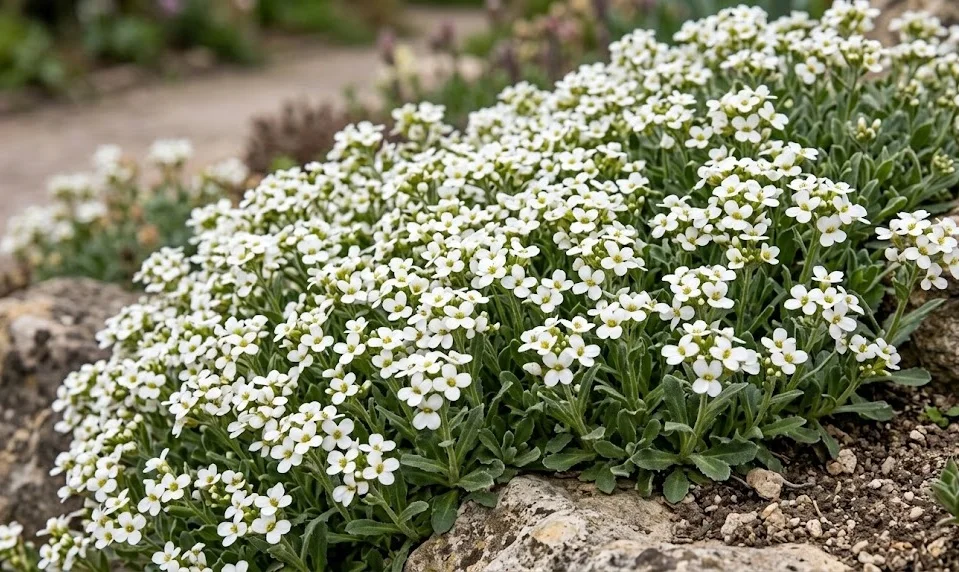

While the Caucasian rockcress is generally a hardy and resilient species, it can occasionally fall victim to specific diseases and pests that threaten its vitality. Maintaining a healthy garden environment and practicing good hygiene are your first lines of defense against these biological challenges. By learning to identify the early warning signs of trouble, you can take swift action to protect your plants and prevent the spread of problems. A professional gardener understands that prevention is always more effective and less costly than attempting to cure an advanced infestation.
Fungal diseases are perhaps the most common issue you will encounter when growing rockcress, especially in humid or poorly drained conditions. You should look for signs of powdery mildew, which appears as a white, flour-like coating on the leaves and stems. This fungus can weaken the plant by interfering with photosynthesis and can spread rapidly if left unchecked. Improving air circulation and avoiding overhead watering are the best ways to keep this particular pathogen at bay.
Root rot is another serious fungal threat that often stems from excessive soil moisture or poor drainage. You might notice the plant suddenly wilting or the foliage turning a sickly yellow-brown from the center outward. Upon inspection, the roots of affected plants will appear dark and mushy rather than firm and white. Unfortunately, once root rot has taken hold, it can be very difficult to save the specimen, making prevention through proper planting techniques absolutely vital.
Leaf spot diseases can also occur, presenting as small, dark lesions on the foliage that may eventually merge and cause the leaf to die. You should remove and destroy any affected leaves as soon as you see them to reduce the source of infection. Keeping the area around the plants free of fallen debris and weeds will also help minimize the habitat for fungal spores. Consistent monitoring and clean gardening practices are essential for maintaining the pristine appearance of your rockcress.
Common insect pests and their management
Aphids are a frequent visitor to many garden plants, and the Caucasian rockcress is no exception during the early spring growth phase. You should check the undersides of the leaves and the tender new shoots for clusters of these small, sap-sucking insects. An aphid infestation can cause the leaves to curl and become distorted, potentially stunted the development of the flowers. A strong blast of water from a garden hose is often enough to dislodge them without the need for chemical intervention.
More articles on this topic
Flea beetles are small, jumping insects that can chew numerous tiny holes in the leaves, giving them a “shothole” appearance. While a few holes are mostly a cosmetic issue, a large population of beetles can seriously stress a young or weakened plant. You can manage these pests by using floating row covers during their peak activity periods or by applying neem oil as a natural repellent. Maintaining a diverse garden with plenty of predatory insects will also help keep the flea beetle population in check naturally.
Slugs and snails are another common nuisance, particularly in damp environments where they can hide under the dense foliage of the rockcress. You should look for their characteristic silvery slime trails and large, ragged holes in the leaves as evidence of their presence. Hand-picking these pests at night or using non-toxic iron phosphate baits can effectively reduce their numbers without harming other wildlife. Keeping the soil surface dry and using a gravel mulch can also make the area less attractive to these moisture-loving creatures.
Caterpillars of various moth and butterfly species may occasionally feed on the leaves of the rockcress, though they are rarely a major threat. You should simply remove them by hand if you notice significant damage occurring on your plants. In most cases, the damage is localized and the plant will quickly recover once the caterpillars have moved on or pupated. Encouraging birds to visit your garden is a wonderful way to provide natural pest control for these and other insect larvae.
Environmental stress and physiological disorders
Not all problems with your Caucasian rockcress are caused by living organisms; some are the result of environmental conditions. You should be aware that extreme heat and drought can cause the plant to enter a state of semi-dormancy where the foliage looks dull and lifeless. Providing a small amount of supplemental water during these periods can help the plant survive, but you must be careful not to overcompensate. Understanding the difference between a thirsty plant and a diseased one is a key skill for any gardener.
More articles on this topic
Nutrient imbalances can sometimes mimic the symptoms of disease, leading to confusion during the diagnostic process. You might see yellowing between the veins of the leaves, which could indicate a deficiency in minerals like magnesium or iron. Before reaching for a pesticide, consider if the soil pH or nutrient levels might be the underlying issue. A professional soil test can provide the clarity needed to address these physiological problems correctly and safely.
Frost heave is a physical problem that can occur in late winter when the soil repeatedly freezes and thaws. You should check your plants in early spring to see if they have been pushed out of the ground, exposing the sensitive roots to the air. If this has happened, gently press the plant back into the soil and add a bit more mulch to protect the base. This simple maintenance step can prevent the roots from drying out and dying before the growing season even begins.
Sunscald can occur if a plant that has been growing in the shade is suddenly exposed to intense, direct sunlight. You might see white or bleached patches on the leaves where the tissue has been damaged by ultraviolet radiation. To prevent this, always move plants gradually into sunnier locations and provide some temporary shade if you are transplanting during a heatwave. Once the plant has acclimated to its new environment, it should be able to handle full sun without further issues.
Integrated pest management and natural solutions
Adopting an integrated pest management (IPM) approach means using a combination of cultural, biological, and physical controls to manage garden problems. You should prioritize the health of the plant through proper siting and care, as a strong plant is much less likely to succumb to pests and diseases. By creating a balanced ecosystem, you encourage beneficial insects like ladybugs and lacewings to do the work of pest control for you. This sustainable method reduces the need for synthetic chemicals and protects the biodiversity of your garden.
Companion planting can also play a role in repelling pests or attracting beneficial predators to the area around your rockcress. You might plant strongly scented herbs like chives or marigolds nearby to confuse or deter harmful insects. These aromatic neighbors create a multi-layered defense system that benefits all the plants in the garden bed. Exploring these natural relationships is a fascinating and effective way to enhance the health of your landscape.
When intervention is necessary, always start with the least toxic options available, such as insecticidal soaps or horticultural oils. You should apply these treatments in the late evening when bees and other pollinators are less active to minimize the impact on beneficial species. Thoroughly coating both the tops and bottoms of the leaves is essential for the effectiveness of these contact-based remedies. Regular follow-up inspections will help you determine if further applications are needed to fully resolve the issue.
Maintaining a clean and organized garden environment is perhaps the most powerful tool in your pest management arsenal. You should regularly remove dead foliage, weeds, and spent flowers to eliminate potential breeding grounds for pests and pathogens. Keeping your tools clean and sanitized will also prevent the accidental transfer of diseases from one plant to another. These small, daily habits contribute significantly to the long-term success and beauty of your Caucasian rockcress collection.
Monitoring and diagnostic techniques
The key to successful pest and disease management is regular and careful observation of your garden. You should make it a habit to inspect your plants at least once a week, looking for any changes in color, texture, or growth habit. Using a magnifying glass can help you spot tiny pests like spider mites or the early signs of fungal spores. The sooner you identify a problem, the easier it will be to manage it effectively and prevent a full-blown crisis.
Taking photographs of any unusual symptoms can be a great way to track the progression of a problem and seek expert advice. You can compare these images with online resources or share them with local gardening groups to get an accurate diagnosis. Keeping a detailed log of when problems appear and what treatments you used will provide a valuable reference for future years. This data-driven approach takes the guesswork out of garden care and leads to better results over time.
Don’t be afraid to sacrifice a single plant or a small section of a mat if it means saving the rest of your collection. You should quickly remove and dispose of any specimens that are heavily infested or showing signs of a contagious disease. It is much better to have a small gap in your garden for a season than to lose all your rockcress to a spreading infection. This proactive “triage” is a difficult but necessary part of professional plant management.
Finally, remember that a few minor pests or imperfect leaves are a natural part of any healthy outdoor ecosystem. You should not aim for a completely sterile environment, as this would also exclude the beneficial organisms that keep the garden in balance. Learning to tolerate a small amount of damage will make your gardening experience much more enjoyable and less stressful. Focus on the overall health and vigor of your Caucasian rockcress, and it will reward you with beauty for many years.